The Legacy of Bolsonarism and Tarcísio's Dilemma, by Gleidson Carlos
After Flávio Bolsonaro's defeat, Tarcísio de Freitas faces the challenge of maintaining ties with bolsonarism and building his own political leadership.

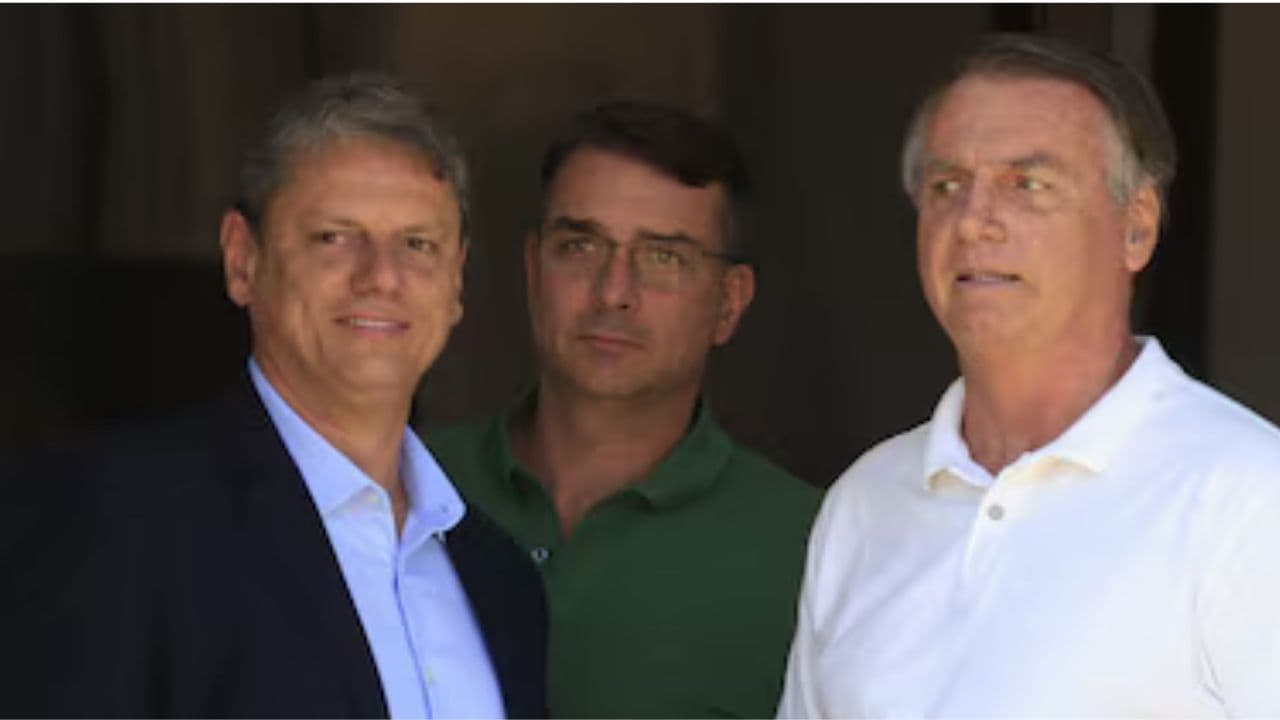
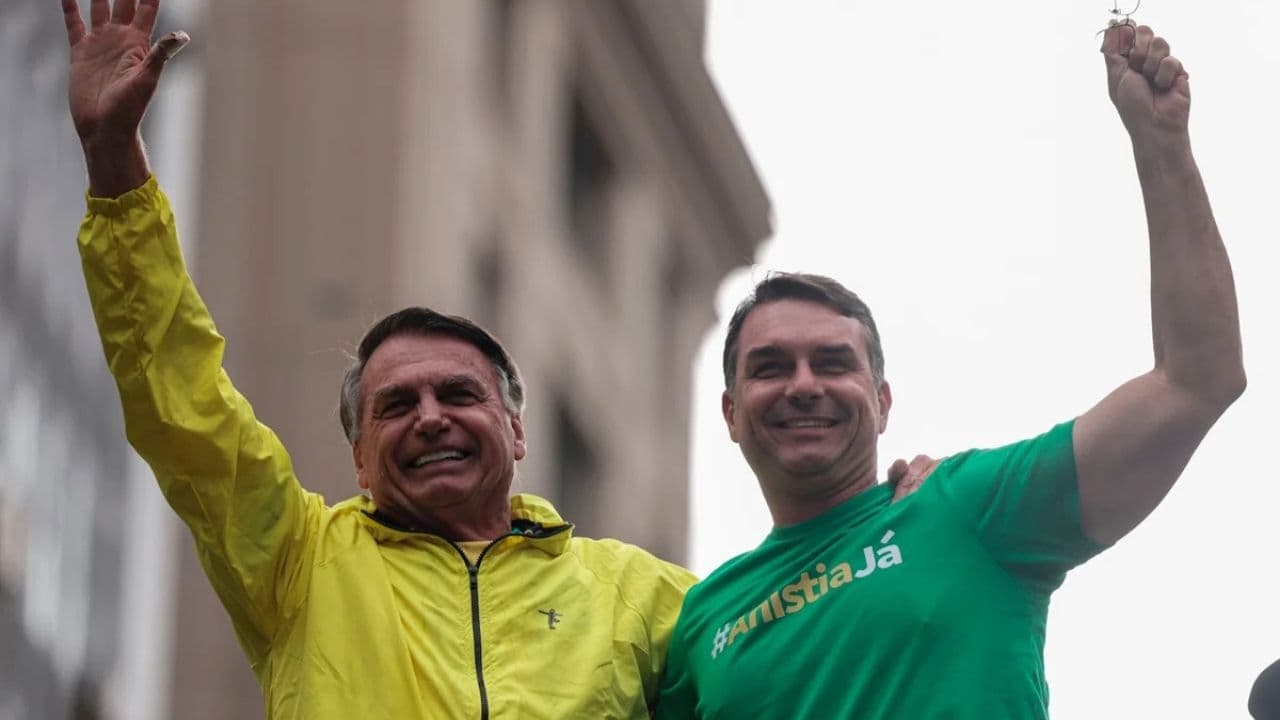
The Brazilian right begins to face a dispute that goes far beyond the succession of Jair Bolsonaro. What is at stake is who will be able to lead the conservative camp in the coming years and, especially, whether that leadership will continue to be subordinate to the Bolsonaro family or will find a path of its own.
The governor of São Paulo, Tarcísio de Freitas (Republicans), tried to set a position. A few hours after Flávio Bolsonaro left Brazil and went to Estados Unidos, the governor admitted the possibility of competing for the Presidency of the Republic in 2030. The statement was made in an interview with Estadão on October 28. Tarcísio, however, stressed that a candidacy would depend on a collective evaluation and that its priority remains the São Paulo administration.
The signage has an important political significance. Tarcisio had been pointed to as one of the right-wing names to face Lula in 2026, but backed down when Jair Bolsonaro decided to impose his own son as a candidate. The choice reorganized the board: names such as Ronaldo Caiado, Romeu Zema and Renan Santos also began to compete for space in an environment in which the bolsonarist identity had a decisive weight.
The problem is that the imposition of Flávio by the Bolsheviks ended up creating an environment unfavorable to the construction of other candidacies. The electoral force of Jair Bolsonaro was transferred, at least initially, to his son, but that does not mean that Flavio managed to transform this legacy into a political leadership capable of bringing together the whole right.
The episode of the letter released on the Estados Unidos is revealing. After leaving Brazil, Flavio published a document in which he presented himself as the true elected president. The expression was removed shortly after, replaced by Brazil’s leader. The initiative found no support even among important allies. The PL acknowledged Lula’s victory, while Rogério Marinho, the coordinator of Flavio’s campaign, said there was no evidence of fraud. Tarcisio also defended respect for the results of the polls. Donald Trump, for its part, stated that it did not intend to get involved in the matter.
Flávio may even claim to command the opposition from the cell phone screen, directly from the Estados Unidos, but political leadership requires articulation, presence and the ability to build consensus. It is not enough to claim command of a movement for other political actors to recognize this authority.
Without an undeniable leadership of Flavius, Tarcisius gains space to present himself as an alternative in the reorganization of the right. Your challenge, however, is far from simple. It needs to build a political identity that does not depend exclusively on the surname Bolsonaro, but also cannot ignore Jair’s electoral force and the electorate that remains identified with bolsonarism.
Every movement towards autonomy produces a reaction within the political field itself. If Tarcísio wants to occupy the space of leadership, he will have to negotiate with a right that is not homogeneous, that brings together different projects and that has an expressive parliamentary representation of more conservative and radicalized sectors. To obtain support, you may be pressured to assume positions that make it difficult to build distance.
The political spoils of these elections put the right in front of a choice that is not resolved only by replacing one surname with another.
The question is whether there will be room for an organized opposition around a broader political project or whether the movement will remain conditioned to the internal disputes of bolsonarism.
Tarcisius opened a door by mentioning 2030. It remains to be seen whether he will be willing to go through it without having to ask permission from those from whom he intends to disengage.
Read also: The Escape and the Opportunity for the Right to Take Off from Bolshevikism, by Gleidson Carlos