Who won the Globo debate? Analysts evaluate Lula and Flávio Bolsonaro
The debate between Lula and Flávio Bolsonaro on Globo divided experts. See who gained the advantage in the latest confrontation before the second round.

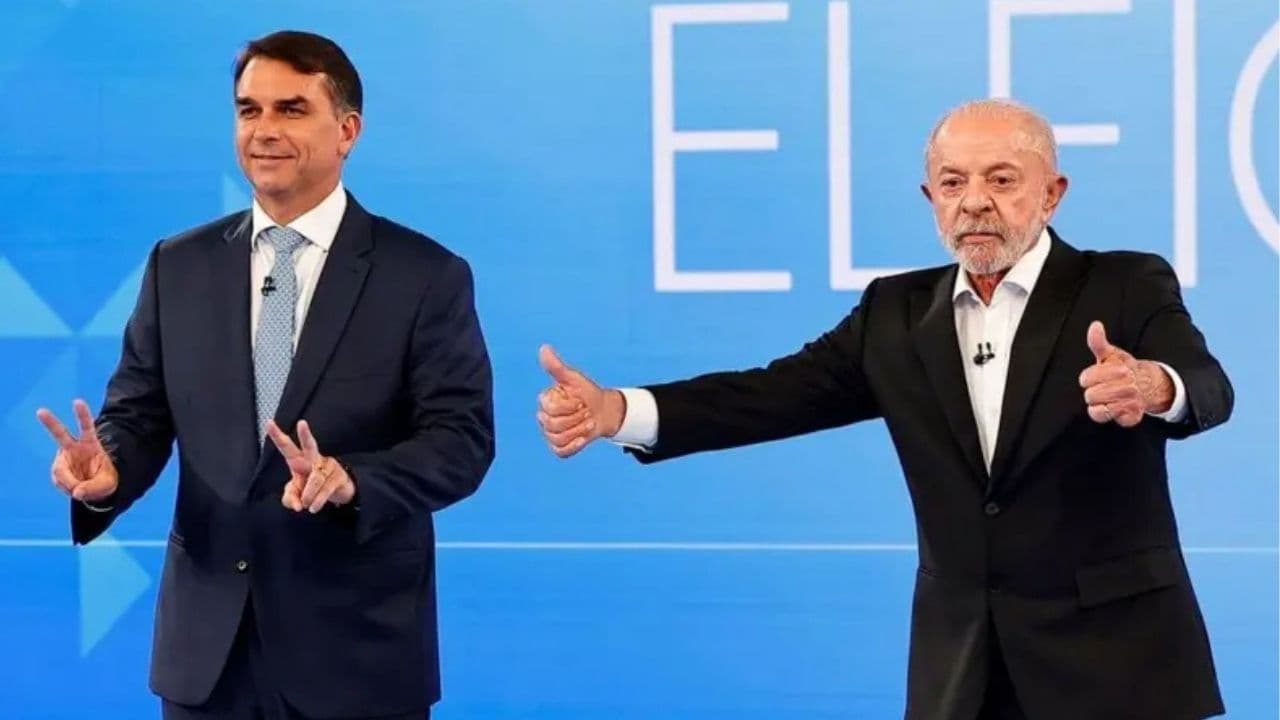
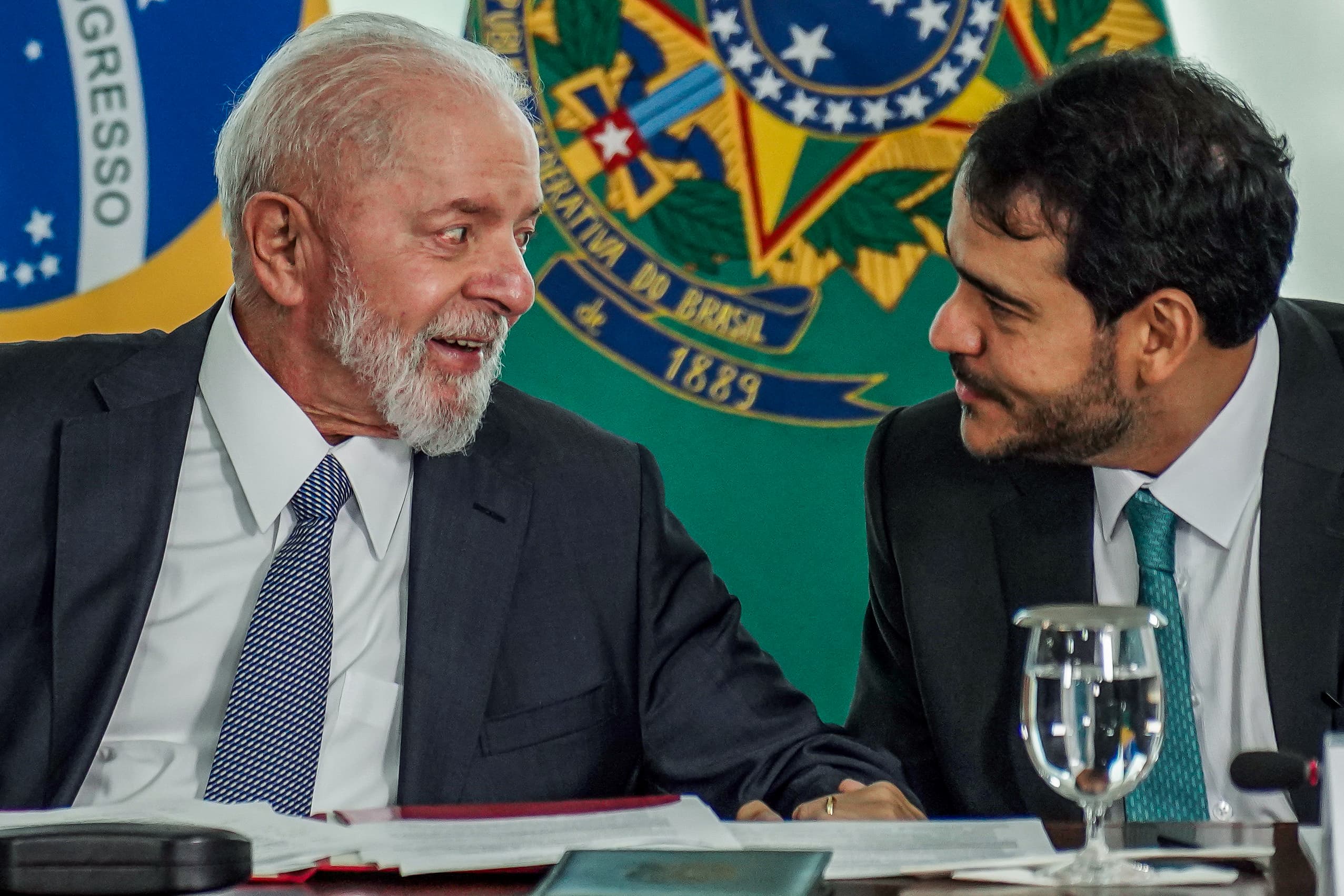
The debate between Lula and Flávio Bolsonaro, held by TV Globo on Friday (23), ended without a consensual winner in the expert assessment heard by BBC News Brazil. The last confrontation before the second round, scheduled for Sunday (25), brought together discussions on economy, public security and social programs, topics that also mobilize voters of Ponta Grossa and Campos Gerais.
The dispute for the Presidency of the Republic reaches the final straight with a tight scenario. In the first round, Flávio Bolsonaro (PL) received 47.03% of the valid votes, while President Luiz Inácio Lula da Silva (PT) won 45.16%.
With the advantage obtained in the polls, Flavio entered the debate seeking to consolidate his position. Lula, on the other hand, needed to win undecided voters and try to reverse some of the votes destined for the opponent.
Who won the Globe debate?
The analyses on the performance of the candidates were different. While some experts identified a small advantage for Flávio Bolsonaro, others considered that Lula presented better content at certain times.
Professor Eduardo José Grin, of the Getulio Vargas Foundation (FGV), assessed that Lula managed to exploit his administrative experience during the first blocks, especially in discussions on public policies.
Political scientist Denilde Holzhacker, from the School of Advertising and Marketing (ESPM), identified an advantage for Flávio Bolsonaro, mainly by presenting proposals and managing the available time.
The political scientist Murilo Aragão of Arko Advice also considered that the senator had superior performance, while Rafael Cortez of Tendências Consultoria did not identify an obvious winner.
Lula bets on experience and social programs
During the debate between Lula and Flávio Bolsonaro, the president sought to highlight his political and administrative trajectory, in addition to establishing comparisons between his government and the management of the former president Jair Bolsonaro.
The strategy included questions about social programs and the ability of the adversary to manage the country.
In Grin’s assessment, Lula performed better in the first three blocks, when the candidates needed to answer questions related to previously defined themes.
However, the president also faced difficulties with the dynamics of the program. At times, it did not fully use the available time and demonstrated problems to complete certain responses.
These situations were pointed out by analysts as possible negative factors for their presentation.
Flávio Bolsonaro highlights economy and public safety
Flávio Bolsonaro focused part of its interventions on issues such as public safety, cost of living, household debt and entrepreneurship.
The senator also sought to present a political identity of his own, avoiding limiting his candidacy to the government of his father, Jair Bolsonaro.
According to experts consulted by BBC News Brazil, Flávio adopted a more moderate stance compared to the previous debate, conducted by the Band.
The PL candidate also received positive evaluations for the organization of his interventions and for the way he used the available time.
For Holzhacker, the senator sought to convey an image of preparedness to govern, directing his speech to problems faced by the Brazilian population.
The exchange of accusations marked the final straight
One of the most tense moments occurred in the fourth block, when candidates began to ask questions freely.
Lula raised questions about suspicions involving Flávio Bolsonaro and people close to the senator. The PL candidate, in turn, presented accusations and questions related to the president and the banker Daniel Vorcaro.
The suspicions mentioned during the confrontation do not, in themselves, constitute proof of irregularities.
The exchange of attacks changed the pace of the debate, which until then had concentrated a significant part of the discussions on public proposals and policies.
In Grin’s assessment, Lula could have taken better advantage of the final block if he maintained the strategy of highlighting his administrative experience.
Undecided voters can decide the election
Another point highlighted by analysts was the dispute for voters who have not yet defined their vote.
Lula tried to demonstrate knowledge about public policies and reinforce his experience in command of the Executive. Flávio Bolsonaro sought to present an alternative government, with special attention to the economy and security.
Experts believe that both had positive and negative moments during the confrontation.
Despite the different assessments, there was no consensus on who won the last presidential debate.
Second round takes place this Sunday
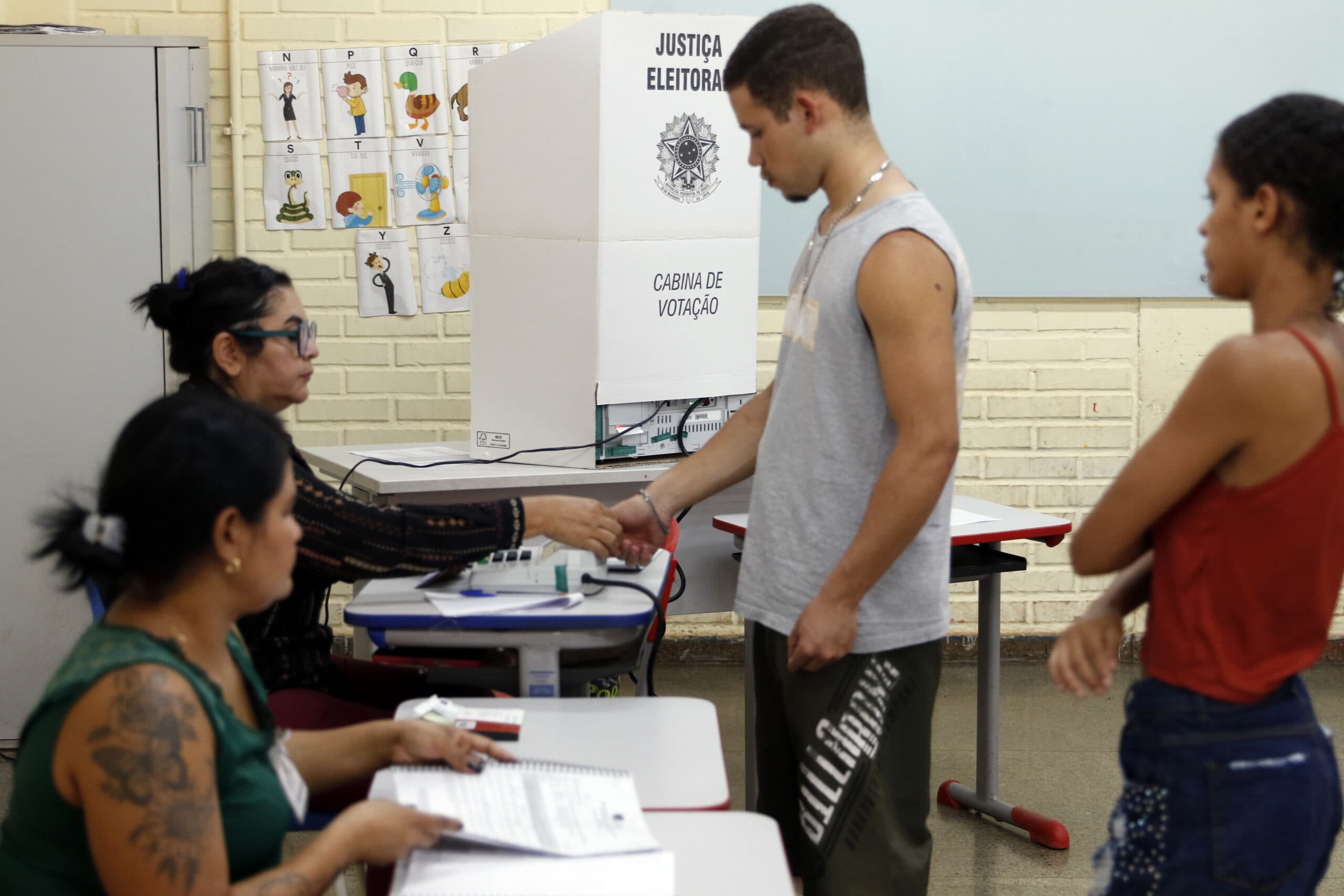
The second round of the 2026 presidential elections will be held this Sunday, October 25, throughout Brazil.
In Ponta Grossa and in the other municipalities of Campos Gerais, voters will also return to the polls to participate in the election of the next president of the Republic.
With the vote approaching, the debate at Globo represented one of the last opportunities for Lula and Flávio Bolsonaro to present their proposals directly to the electorate in a televised confrontation.
Now, the decision will be in the hands of Brazilians, who will determine in the ballot box who will lead the country from 2027.
With information from BBC News Brazil and the Superior Electoral Court (TSE).