Ex-ministers and academics sign manifesto in support of Lula
Intellectuals, economists and former ministers signed on Saturday (17) a manifesto supporting President Lula's re-election. The document criticizes Senator Flávio Bolsonaro's political project and defends democratic values. The delivery took place in São Paulo, with the presence of authorities.

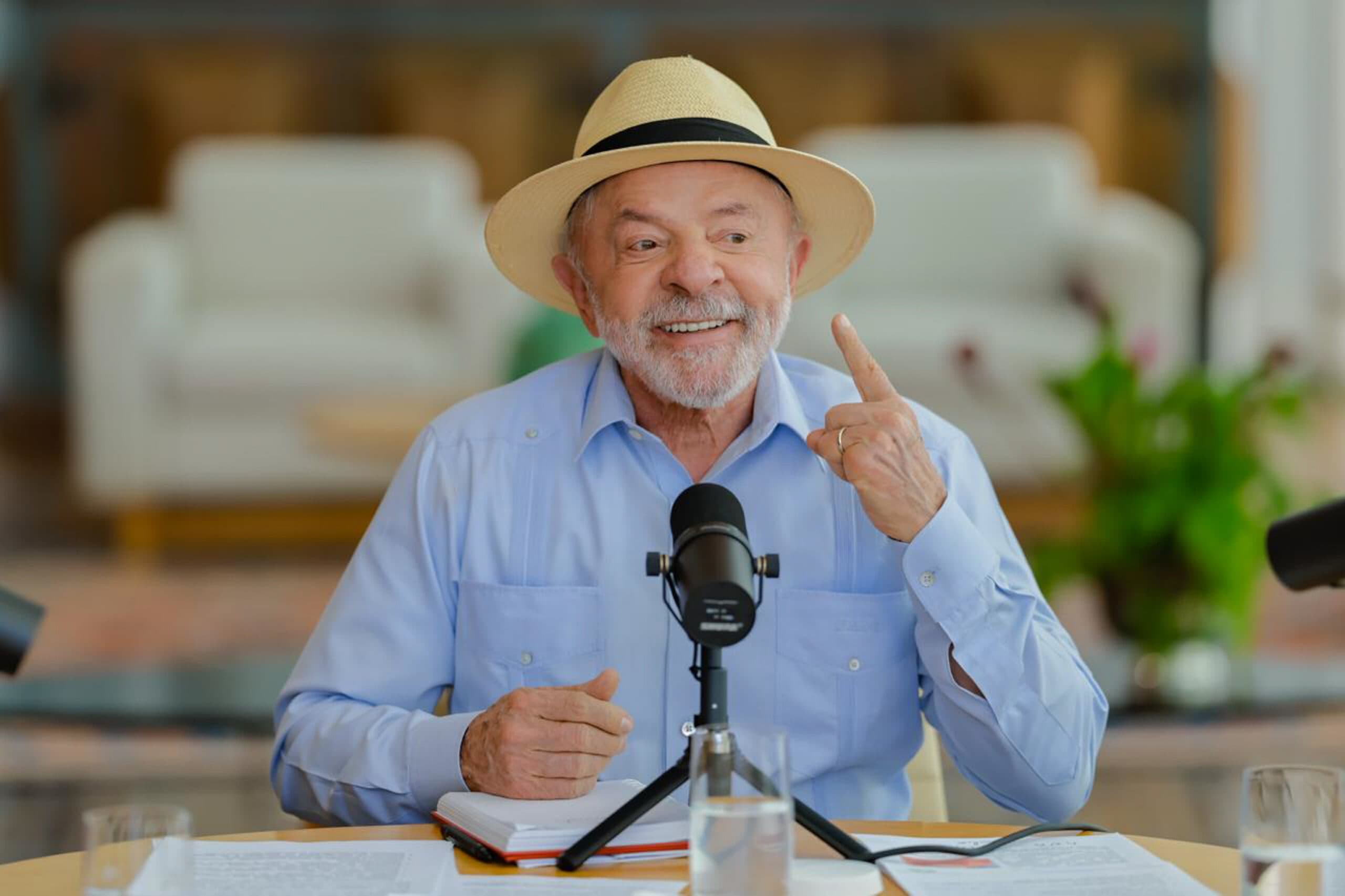
A group of intellectuals, economists, academics and former members of governments released on Saturday (17) a manifesto in support of the re-election of President Luiz Inácio Lula da Silva (PT), with criticism of the political project of Senator Flávio Bolsonaro (PL-RJ). The document was delivered during a meeting at the Union of Workers in Data Processing and Information Technology of the State of São Paulo, in the capital of São Paulo.
The agenda was attended by Vice-President Geraldo Alckmin (PSB) and former Ministers Fernando Haddad, of the Farm, Marina Silva, of the Meio Ambiente, and Simone Tebet, of Planning. The presence of figures from different political spectrums reinforces the suprapartisan character of the initiative, according to the organizers.
Manifesto warning of institutional risks
The signatories affirm that Flávio’s candidacy represents risks to what they call social and institutional setbacks, in addition to threatening consolidated achievements and Brazil’s diplomatic performance. The text mentions the possibility of changes in Brazilian foreign policy, which could compromise the country’s multilateral interlocution and the channels of dialogue with different sectors of society.
Among the 15 signatories are former Foreign Minister Rubens Ricupero, jurist Miguel Reale Jr., former Minister Aloysio Nunes Ferreira, economist Eduardo Giannetti and climatologist Carlos Nobre. The diversity of areas of action of supporters is highlighted as a sign of broad concern with the political scenario.
Critical support and independence preserved
Despite the support of the candidate, the signatories emphasize that it is not an unrestricted accession to the government. “Many of us have differences with President Lula and criticism of his government, and we will preserve our independence to express them,” they said. The caveat indicates that the manifesto is not a blank check, but a choice in front of what they consider a greater risk.
They also emphasize that the demonstration aims to defend what they call “common national values”, and say it is not just support for a candidate: “Before supporting a name, this demonstration is in support of Brazil, our national space and its common fundamental values”. The phrase synthesizes the tone of the document, which seeks to position itself as a defense of democratic principles.
Economic and social priorities listed
The document lists as priorities economic growth, the generation of jobs, the recovery of industrial capacity and the stimulus to innovation. It also advocates the advancement of low-carbon agriculture and investments in education, science and technology. These points, according to the authors, are essential for sustainable and inclusive development.
The emphasis on themes such as innovation and low-carbon agriculture reflects concern with the country’s environmental agenda and competitiveness. The signatories argue that such areas are strategic for Brazil’s future and cannot be overlooked in a context of electoral dispute.
Defence of institutions and diversity
To the so-called “defense of institutions”, the manifesto maintains that diversity and fundamental rights must be respected. Political opponents, public institutions, universities, the press and civil society organizations, the text states, should not be treated as enemies. The declaration is a direct response to the climate of polarization and attacks on institutions that have occurred in recent years.
The document reinforces the need for a healthy democratic environment, where dissent is legitimate and institutions function without intimidation. For the signatories, the preservation of these values is a condition for the political and social stability of the country.
Repercussions and next steps
The delivery of the manifesto in São Paulo gathered supporters and caught the attention of the press. The presence of authorities such as the vice president and former ministers signals the political relevance of the act. The source did not detail whether there will be new events or unfoldings of the initiative.
The manifesto is expected to fuel public debate in the coming weeks, especially among undecided voters and civil society sectors. The dissemination of the document takes place at a time of intense pre-election movement, when alliances and support gain strategic weight.
Read Also
TSE denies Flavio's request to ban Lula on the Plateau
Flávio proposes an end to re-election and fights factions in the Globe
Moraes authorizes guests and barbecue for Bolsonaro's daughter's birthday
Font
www.gazetadopovo.com