Lula cuts PIS/Cofins by R$ 0.63 per liter and affects gasoline price in PG
Gasoline in Ponta Grossa may feel the impact of the R$ 0.63 cut in PIS/Cofins. Lula also eliminated taxes on ethanol and expanded subsidies for diesel.

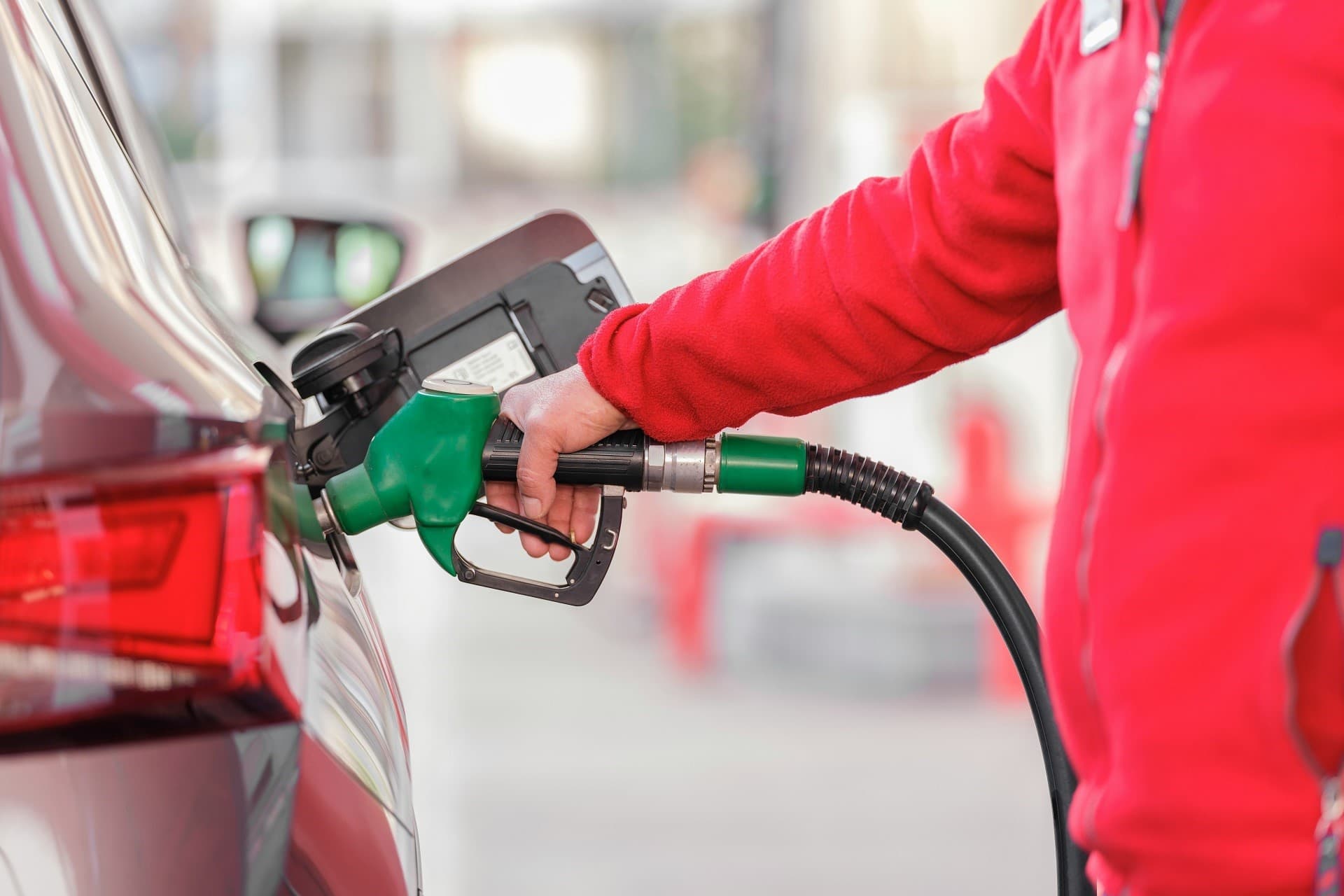
President Luiz Inácio Lula da Silva signed new measures on Wednesday (9) to try to contain the impact of the international oil spike on fuel prices in Brazil. A decree reduces the collection of PIS/Pasep and Cofins on gasoline by R$ 0.63 per liter and zeroes the same federal contributions incidents on hydrated ethanol.
In the case of ethanol, the exemption represents a reduction of R$ 0.19 per liter, corresponding to the totality of the collection of the two taxes on the fuel. In gasoline, after the reduction, the load relative to PIS/Pasep and Cofins will be at approximately R$ 0.16 per liter.
The new rates are expected to take effect on Thursday (10). The announced reduction for gasoline and ethanol is expected until October 5.
Government Expands Benefit of Gasoline
The new measure extends the mechanism previously adopted by the Federal Government to mitigate the increase in fuels.
Until now, gasoline had an estimated subsidy of R$ 0.44 per liter, created through Medida Provisória no 1.358. The benefit had been instituted in May in the face of the escalation of international oil prices caused by the conflict in the Oriente Médio.
With the new decree, the government exchanges this mechanism for a direct reduction of federal contributions and expands the tax relief to R$ 0.63 per liter.
The reduction of taxes, however, does not necessarily mean that gasoline will be R$ 0.63 cheaper immediately at the stations. The final value paid by the consumer also depends on factors such as refinery and importer prices, distribution and resale margins, ethanol mix, and state taxes.
Diesel will receive a subsidy of R$ 1 per liter
In addition to the decree on gasoline and ethanol, Lula signed a Medida Provisória to maintain a subsidy policy for diesel oil.
According to the government, the value will initially be R$ 1 per liter. The amount may be modified, suspended or extended by the Ministry of Finance according to the behavior of the international oil and fuel market.
To receive the compensation, producers and importers must pass on the benefit in the marketing price. The mechanism seeks to prevent the rise in international costs from being fully transferred to diesel sold in the country.
By Tuesday, the government had already opened an extraordinary credit of R$ 6.605 billion for the Ministry of Mines and Energy, through the National Agency for Petroleum, Natural Gas and Biofuels (ANP), aimed at financing fuel subsidy measures.
High Oil Concerns Government
The new measures are adopted amid new pressure on the international oil price. Brent, the world’s benchmark, has once again surpassed the $100 range as tensions worsen in the Oriente Médio.
In announcing the decisions, Lula stated that the goal is to prevent the economic effects of the international conflict from reaching directly the budget of Brazilian families. The government also seeks to prevent further inflationary impacts, as diesel directly influences the costs of transporting cargo, food and other products.