Moraes maintains routine and shows coldness behind the scenes regarding Vorcaro
Reports indicate the minister continues with his normal schedule while tension involving Moraes, André Mendonça and the Banco Master case increases within the Supreme Court

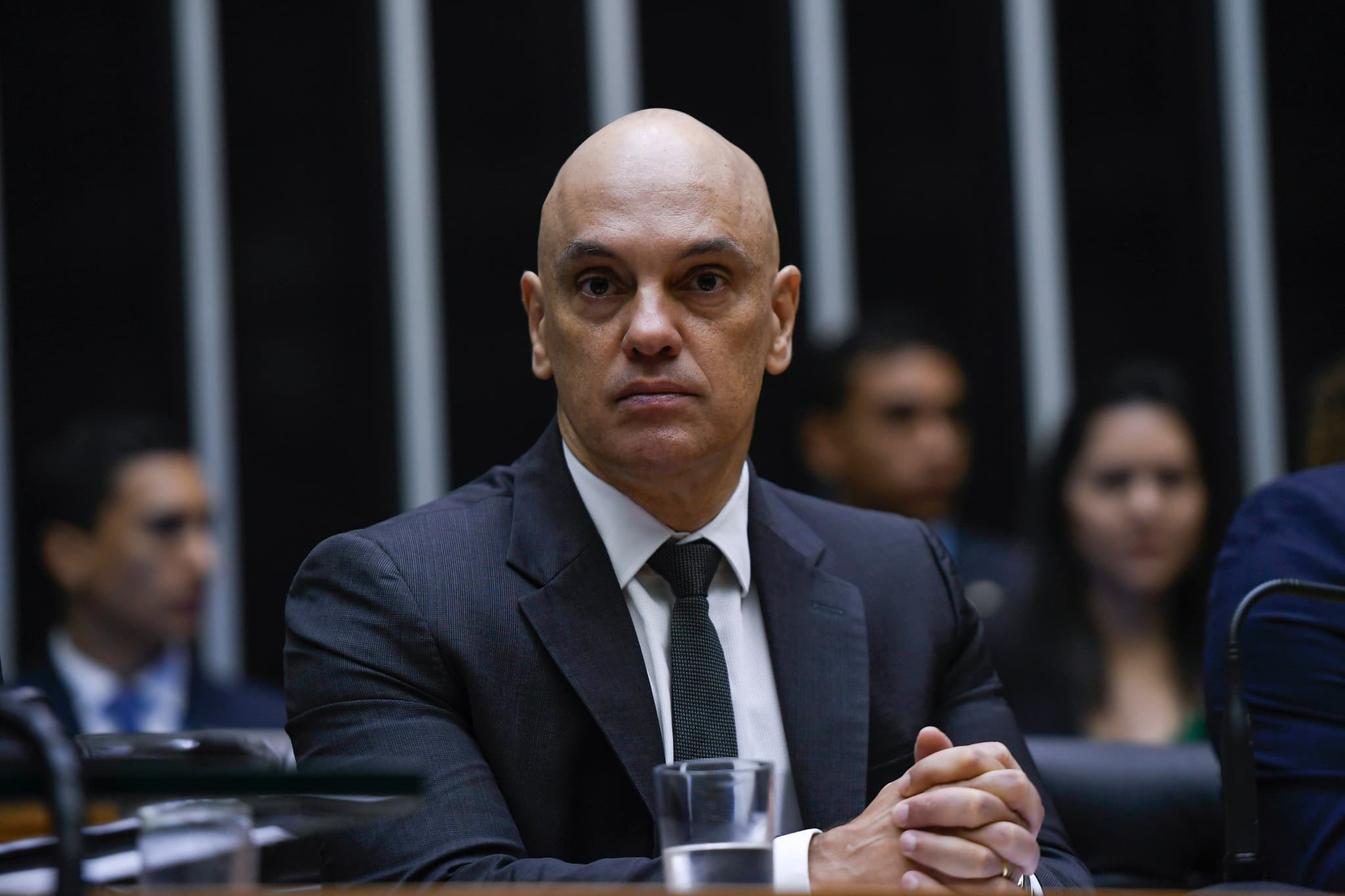
In the midst of one of the most delicate recent crises faced by the Supremo Tribunal Federal (STF), Minister Alexandre de Moraes would be maintaining a posture of apparent tranquility behind the scenes of the Court. According to reports from colleagues, assistants and people close to the magistrate, Moraes continues to normally fulfill his agenda, dispatching cases and even making jokes during conversations with members of the team.
The behavior draws attention to the dimension of the dispute that settled in the Supreme Court after the disclosure of information related to the former banker Daniel Vorcaro and the extinct Banco Master.
Tensions rose after Minister André Mendonça withdrew the secrecy of a Federal Police report containing messages and records related to Vorcaro and Moraes. The document maps meetings between February 2024 and August 2025 and integrates the calculations related to the Master case.
Moraes counters Mendonça and STF lives unprecedented crisis
Even after the release of the report and the new developments, Moraes would not have demonstrated depression. According to the count published by CNN, the minister maintained already scheduled commitments, including meeting with a member of the Advocacia General da União (AGU), and continued to work normally.
Climate of perplexity within the Supreme
While Moraes maintains a normal posture, the environment between ministers and interlocutors of the STF would be quite different. In the halls of the Supreme Court, there are reports of perplexity with the escalation of the conflict. Even people close to Moraes would be avoiding a more forceful public defense of the minister. Among its interlocutors circulates the assessment that the actions of André Mendonça would be part of an articulated movement against Moraes.
The dispute went to another level after Moraes filed charges against Mendonça and asked that the colleague be investigated.
Among the points raised are suspicions related to the conduct of investigations and allegations of abuse of authority, administrative improbity and crime of responsibility. The charges, however, have yet to pass institutional assessment and do not represent a conclusion on the minister’s eventual responsibility.
Fachin enters the field to manage crisis
On Friday (4), the president of STF, Edson Fachin, decided to withdraw from the fake news investigation the request for an investigation against André Mendonça submitted by Moraes. Fachin determined that the charges should be analyzed within another procedure, gathering in the same process questions involving the two ministers.
He also set a deadline of five working days for demonstrations in Mendonça and the Attorney General’s Office.
The decision comes amid internal discussions about a possible institutional way out of the crisis. The very closure of the so-called fake news investigation has returned to the conversations between members of the Supreme Court. Fachin had previously publicly argued that the investigation, opened in 2019, should move towards a closure. With the current crisis, members of the Court assess that there may be room to accelerate this discussion.
Master case expands pressure on STF
The origin of the new turbulence lies in the unfolding of investigations involving Daniel Vorcaro and Banco Master. The revelation of messages and information related to the former banker brought to the center of the debate the relationship of members of the Judiciary and other authorities with Vorcaro. In the case of Moraes, the disclosure of the material provoked questions and triggered a direct reaction of the minister against the action of Mendonça.
Despite the escalation of the dispute, Moraes, according to reports published on Friday, continues to demonstrate little change in his routine. The contrast is significant: while in the halls of the Supreme Ministers discuss procedures, cross-accusations and ways to try to contain the crisis, Alexandre de Moraes continues to dispatch, holding meetings and maintaining a normal posture before auxiliaries.
The crisis, however, is far from over. Fachin’s forthcoming decisions and the demonstrations of the Attorney General’s Office should help define whether the dispute between two ministers will be contained institutionally or whether it will open a new stage of tension within the country’s highest court.