Ortigueira enters new tourism route recognized by Paraná
New state law includes the Campos Gerais municipality in a route focused on fauna preservation, sustainable tourism and rural community valorization

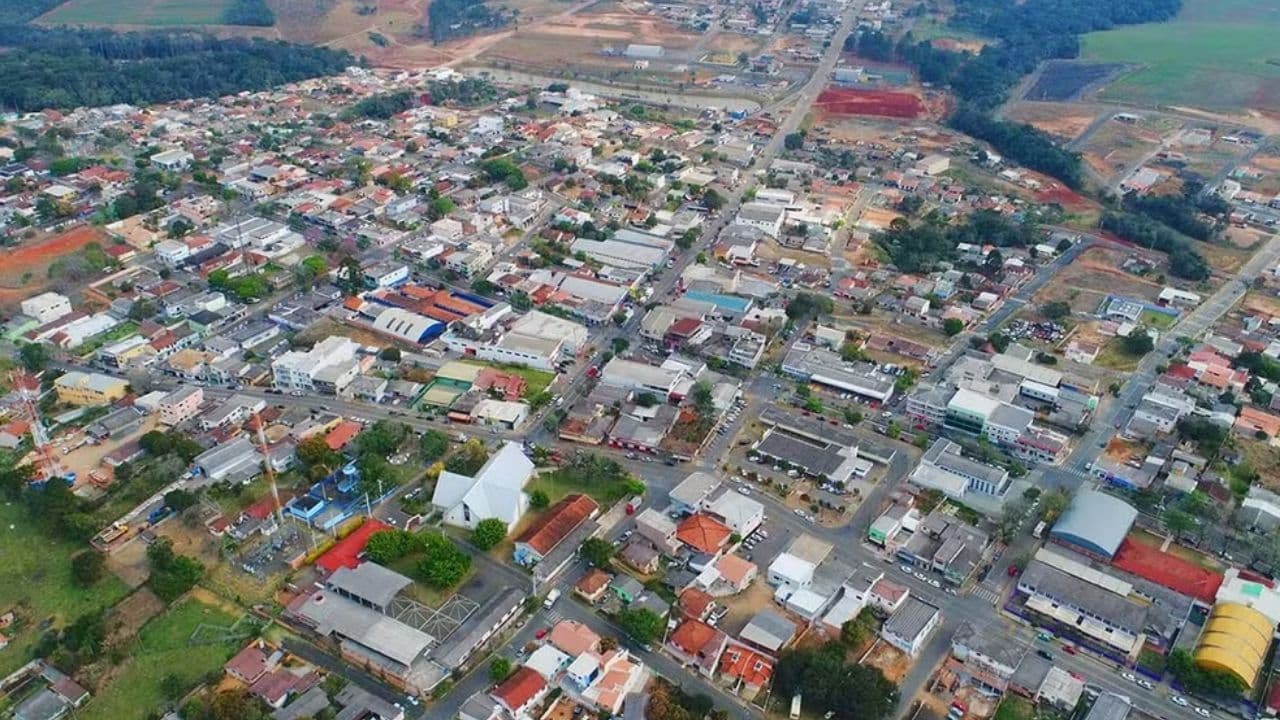
The municipality of Ortigueira, in the Campos Gerais, is among the priority cities to integrate the Route of the Northern Bichos of Paraná, a new tourist route officially instituted by the State Government. The initiative was recognized as Patrimônio Cultural Imaterial do Paraná by Law No. 23.457 of October 16, 2026, sanctioned by Governor Carlos Massa Ratinho Junior.
The legislation seeks to strengthen sustainable tourism, encourage environmental preservation and enhance biodiversity, as well as promote opportunities for rural producers and local communities. The proposal also includes environmental education and wildlife observation activities.
With the new law, the Route of the Beasts becomes part of the Official State Tourist Route of Paraná, opening possibilities for the development of tourist experiences linked to nature.
Ortigueira is among the priority municipalities
The legislation establishes that the roadmap should cover primarily municipalities of the Northern region of Paraná, including Ortigueira, Londrina, Rolandia, Cambé, Ibiporã, Jataizinho, Arapongas, Apucarana, Faxinal, Tamarana, Southern Mariland, California and Mauá da Serra.
The inclusion of Ortigueira represents an opportunity to expand the tourist visibility of the municipality, especially in activities related to meio ambiente, rural properties and biodiversity conservation.
Registrations and re-registrations in the municipal network of Ortigueira started this Monday (19)
The law also allows other cities to be incorporated in the future, provided that they present areas with environmental relevance, agroforestry or potential for wildlife conservation.
Roadmap may include rural properties and environmental reserves
According to the legislation, the Route of the Animals can be formed by different spaces destined to environmental conservation and nature tourism. Among the places planned are Natural Heritage Private Reserves (NPRs), rural properties that develop sustainable practices, areas with agroforestry systems and spaces for wildlife observation and environmental education.
The objective is to bring visitors closer to the natural characteristics of the region, encouraging responsible tourism practices and promoting the appreciation of the communities involved. The proposal also includes the participation of educational institutions, researchers, rural producers and civil society organizations.