Paraná registers 34.7% drop in deaths from respiratory syndromes
Respiratory syndromes in Paraná show decline in cases and deaths, and the state returns to normal levels after six weeks of reduction

The síndromes respiratórias in the Paraná showed a sustained decrease in the last six epidemiological weeks, leading the State to return to the zero level, considered a scenario of normality in the Contingency Plan for Respiratory Viruses. The change was confirmed this week by the Secretary of State for Health (SESA).
As of Epidemiological Week 39 of 2026, Paraná counted 21,014 hospitalized cases of Síndrome Respiratória Aguda Grave (SRAG) and 1,021 deaths. Compared to the same period in 2025, there was a reduction of 14.1% in cases and 34.7% in deaths.
What it means to go back to level zero
The normality scenario is defined by the stability of the indicators and the circulation of respiratory viruses within the expected patterns. However, this does not mean the end of epidemiological monitoring.
Sesa will continue to monitor hospitalized cases, deaths, viral circulation and possible outbreaks. The surveillance of SARS is carried out continuously in the Paraná, including with a network of sentinel services distributed by the 22 Health Regions. Hospitalized cases and deaths that meet the criteria of SRAG should be registered in the Sivep-Gripe.
The secretariat also monitors the occupation of beds and maintains protocols for rapid identification of changes in the behavior of respiratory viruses.
Vaccination helped reduce
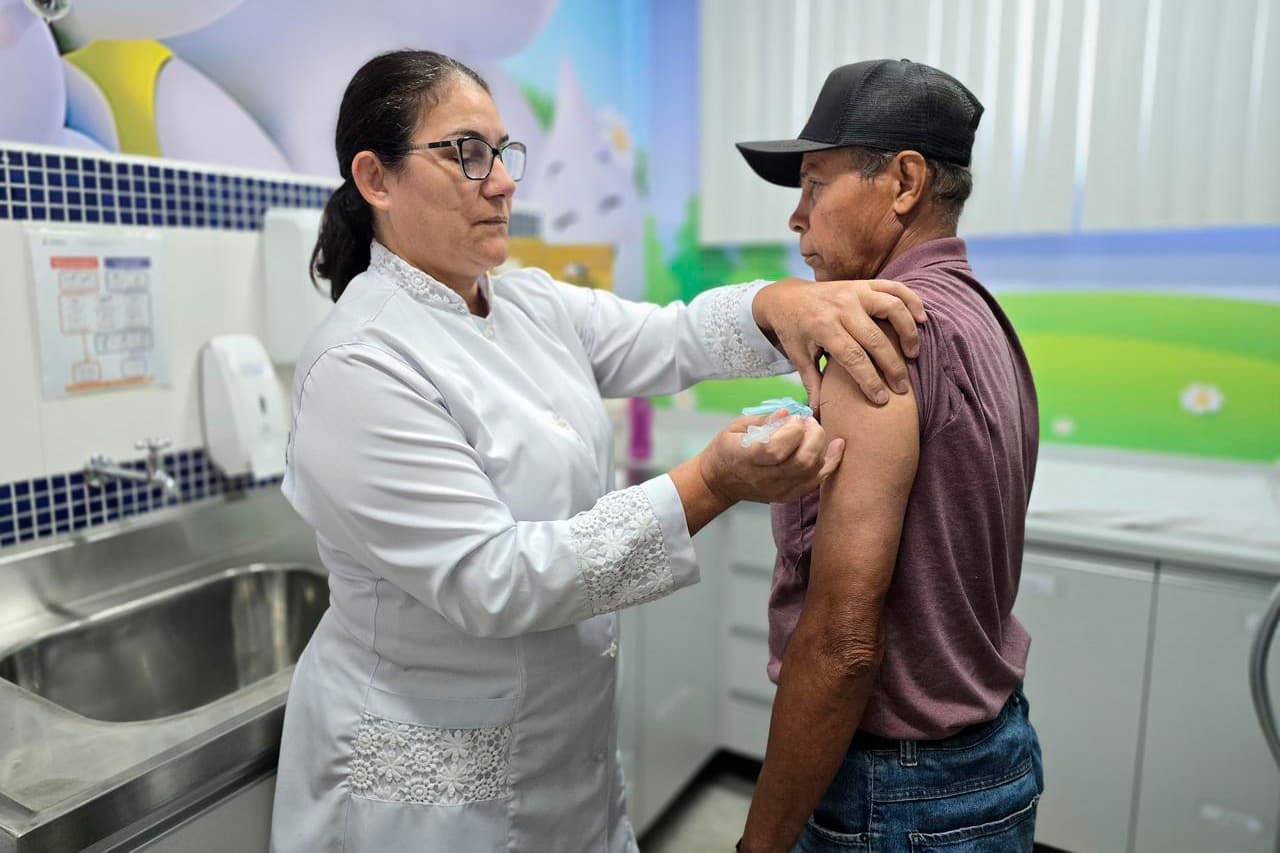
The immunization strategy is pointed out by the Government of Paraná as one of the factors that contributed to the improvement of the indicators. By the beginning of October, more than 3.4 million doses of vaccines against respiratory diseases had been applied in the state.
Among the priority groups, coverage reached 56.4%. Vaccination was initially directed to publics considered more vulnerable, such as the elderly, children under six years of age and pregnant women, before the expansion of the offer.
During the colder months, the elderly, children and pregnant women are among the groups with the highest risk of hospitalization by síndromes respiratórias. Viruses such as influenza, Covid-19 and Vírus Sincicial Respiratório (VSR) can cause severe conditions, especially among the most vulnerable.
Continuous surveillance on the Paraná
Even with the return to normality, the guidance is for the population to continue adopting preventive measures and seek medical attention in the face of signs of worsening.
Among the symptoms associated with severe conditions are difficulty breathing, increased respiratory frequency and oxygen saturation equal to or less than 94%.
The Contingency Plan of Paraná provides permanent monitoring, maintenance of stocks of medicines, vaccines, protective equipment and laboratory supplies, in addition to the preparation of the care network for a possible change in the epidemiological scenario.