Ponta Grossa reaches the 50th Honey Garden with new unit in Boa Vista
Honey Gardens in Ponta Grossa reach the 50th unit, installed in a school in Boa Vista with environmental education and beekeeping actions

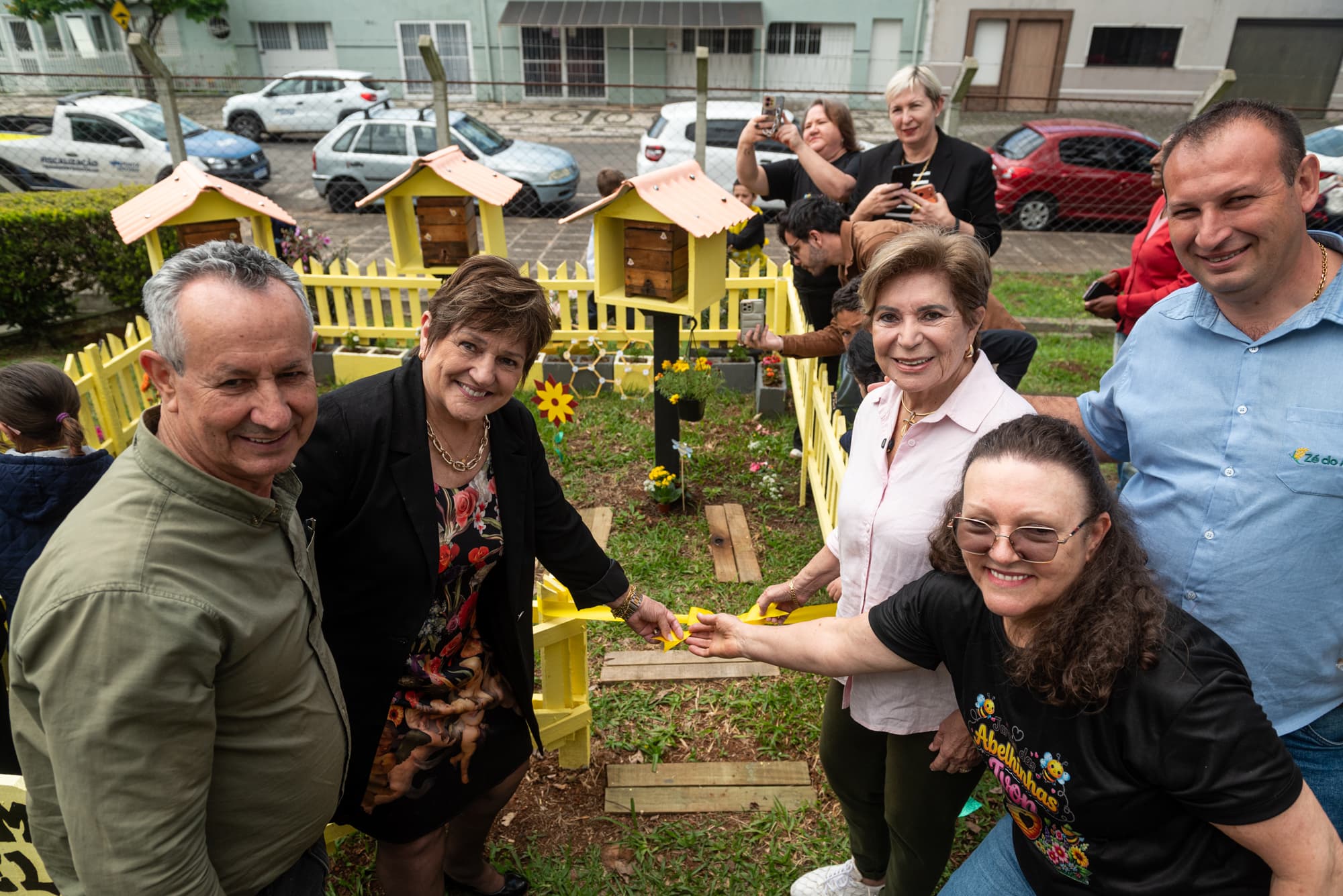
The Gardens of Honey in Ponta Grossa reached the 50-unit mark with the implementation of a new meliponarium at the Ivon Zardo Municipal School, in the Boa Vista neighborhood. The project of the City Hall brings together environmental education, preservation of native bees and encouragement to beekeeping in the municipality.
The new unit was installed by Prefeitura de Ponta Grossa, through the municipal secretariats of Education and Agriculture, Livestock and Supply. The space becomes part of a network that already includes schools, Municipal Centers of Educação Infantil (CMEIs), care entities and rural communities.
Each Honey Garden receives a meliponarium equipped with two mandaçaia hives, a species of native bee without sting. At the Ivon Zardo Municipal School, teachers and students also prepared a special decoration to receive the hives. The inauguration also featured cultural presentations and a thematic reception.
Environmental education within the school
According to Professor Silmara Kossemba, the new space should complement activities that are already developed with students involving sustainability and environmental preservation.
“Receiving these hives is very special for us, mainly because we work on themes such as sustainability and care for nature. With this space, children will be able to closely follow a bit of how all this works, see the importance of nature for our day to day in practice,” he said.
The implementation of the Honey Gardens in Ponta Grossa is part of the program Poliniza Ponta Grossa, provided for in municipal legislation. The initiative seeks to expand environmental education, contribute to the preservation of biodiversity and show the population the importance of pollinators for ecological balance.
In addition to bringing students closer to environmental issues, meliponaries allow children to practically follow aspects related to bee behavior, plant pollination and ecosystem conservation.
Project also supports rural producers
The program is not restricted to educational units. The breeding and management of the bees also involve approximately 125 producers distributed over ten localities in the rural area of Ponta Grossa.
To participate, residents receive training for the activity. The initial training is carried out in partnership with the National Rural Learning Service (Senar).
After the training, each participant receives a hive to start the creation on their property.
“After the course, each producer receives a hive to start breeding on their property. From this, we established an important beekeeping network in the region and, at the same time, we integrated these producers into the communities served by the locals that receive the meliponarios,” explained the municipal secretary of Agriculture, Livestock and Supply, Izaltino Cordeiro dos Santos.
With the arrival of the 50th unit, the project expands the presence of meliponaries in different regions of the municipality and reinforces the integration between environmental education, preservation of native bees and support for rural production in Ponta Grossa.