Basic Education to the Job Market by Joana D'Arc Panzarini Egg
Ponta Grossa's municipal education combines technology, innovation and new methodologies to prepare students for citizenship and the job market.

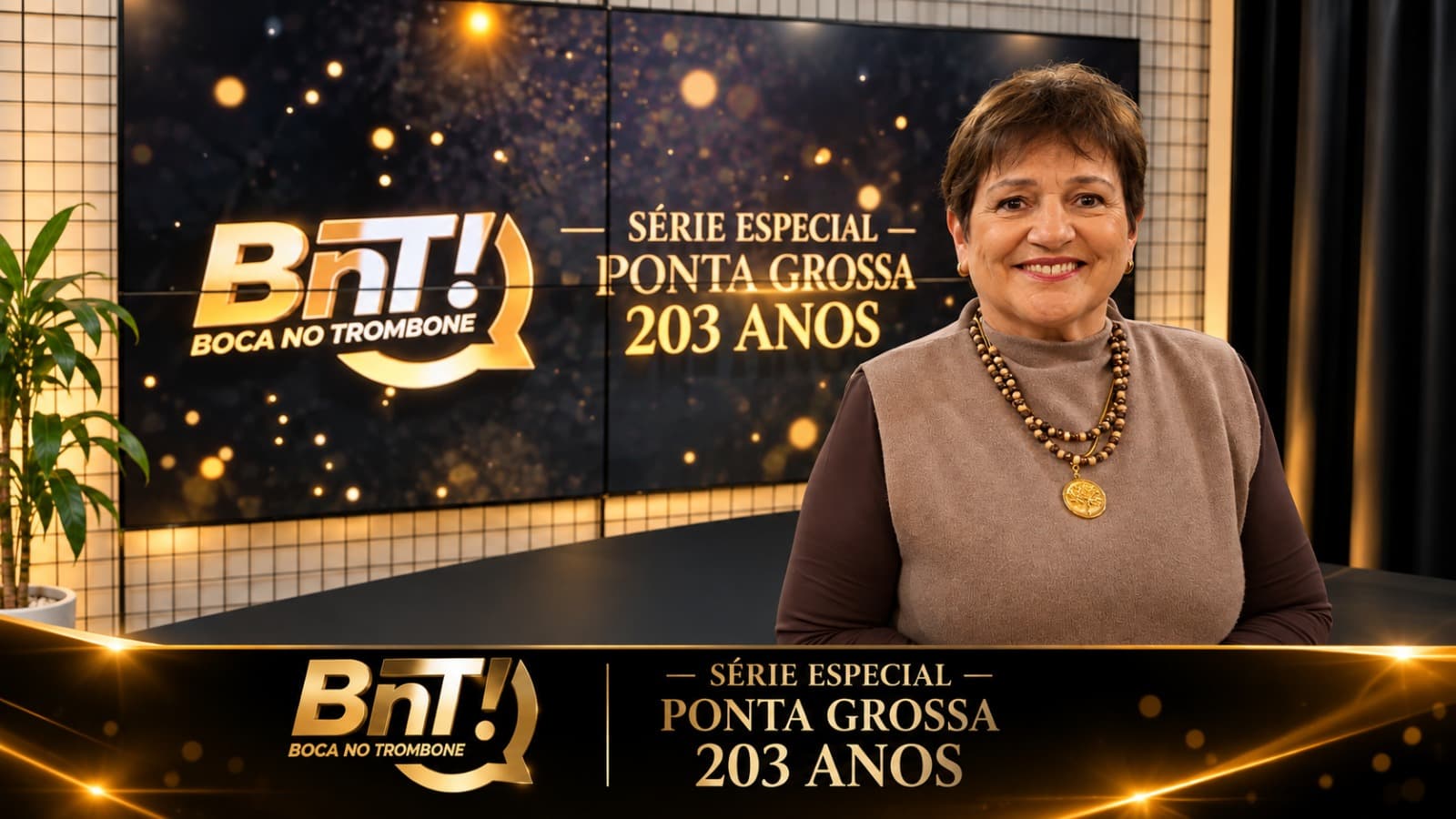
The history of the Municipality of Ponta Grossa has been closely related to municipal education since before its elevation to the category of parish in 1823. At the time, farmers’ families hired teachers to teach their children reading and writing, an education that did not require school space. In Paraná it was only after 1938, that the Province of São Paulo authorized the operation of the schools. In the Municipality of Ponta Grossa, in 1866, the first school operated in the home of teacher Zulmira Maciel, because the training of teachers made it difficult to create school institutions. Despite all the difficulties encountered at the time, the construction of new schools at the beginning of the 20th century expanded the teaching offer.
The strengthening of education took place in 1906, when the first normalist teacher, Otacília Hasselmann de Oliveira, was appointed to act on Ponta Grossa and after that, education did not stop growing.
Tonight. Education in the Municipality of Ponta Grossa is the foundation on which the development of subjects prepared for the complex challenges of tomorrow is built. More than simply transmitting knowledge, preparing for the future requires a more comprehensive approach that stimulates curiosity, innovation and critical thinking from the earliest years of schooling. In this context, modern pedagogical initiatives of recent years in Ponta Grossa become fundamental tools to connect the classroom to the demands of the 21st century and, in the future, to the demanding labor market.
As the structuring axis of this transformation, the Creative Synapses Program stands out, instituted by Decree No. 23.830, of July 31, 2024. The program constitutes the main public innovation policy of the Municipal Education Network, bringing together and articulating the management actions, pedagogical projects and innovative practices developed by the Municipal Education Secretariat. By integrating different initiatives in the same educational ecosystem, it promotes creative, entrepreneurial education and connected to the skills necessary to form leading citizens, prepared for the challenges of a society in constant transformation.
Among the main initiatives of the program are the Creative Learning Laboratories (LAC). These pedagogical spaces are structured with notebooks, interactive screens, appropriate furniture, educational robotics resources and maker materials, providing an environment conducive to experimentation, innovation and active learning. In these spaces, students develop the Computer skills provided at BNCC, contemplating the axes of Computational Thinking, Digital World and Digital Culture. Through challenges, projects and problem-solving, LAC promotes creativity, collaboration and prominence, contributing to the formation of citizens prepared to act ethically and innovatively in contemporary society.
Another important action integrated into the Creative Synapses Program is English for Kids, which represents a strategic investment in the integral training of students by ensuring the teaching of the English language from the early years of educação básica. Early learning of a second language promotes cognitive, linguistic and sociocultural development, strengthens essential skills for academic life and expands opportunities for insertion in an increasingly globalized world. In this way, the program contributes to reduce educational inequalities and prepare students capable of acting with autonomy, confidence and competence in different contexts.
The integration between pedagogical innovation, technology, multilingualism and cognitive development consolidates a robust educational ecosystem, capable of preparing students for the challenges of the present and the opportunities of the future. By investing in public policies that promote creativity, prominence and meaningful learning since the educação básica, Ponta Grossa transforms the school day into a consistent preparation for life, for the exercise of citizenship and for the labor market, training young people equipped with the skills, innovative vision and creative capacity that the contemporary world demands.
Article by Joana D'Arc Panzarini Egg for the book: "PONTA GROSSA: From the Route of the Tropeiros to the Tracks of Innovation"