Camber of PG blocks that leftover school meals be eaten by teachers and staff
Proposal authorized teachers and staff to consume food left after students' meals; Municipality pointed out legal restrictions and possible impacts on the contract

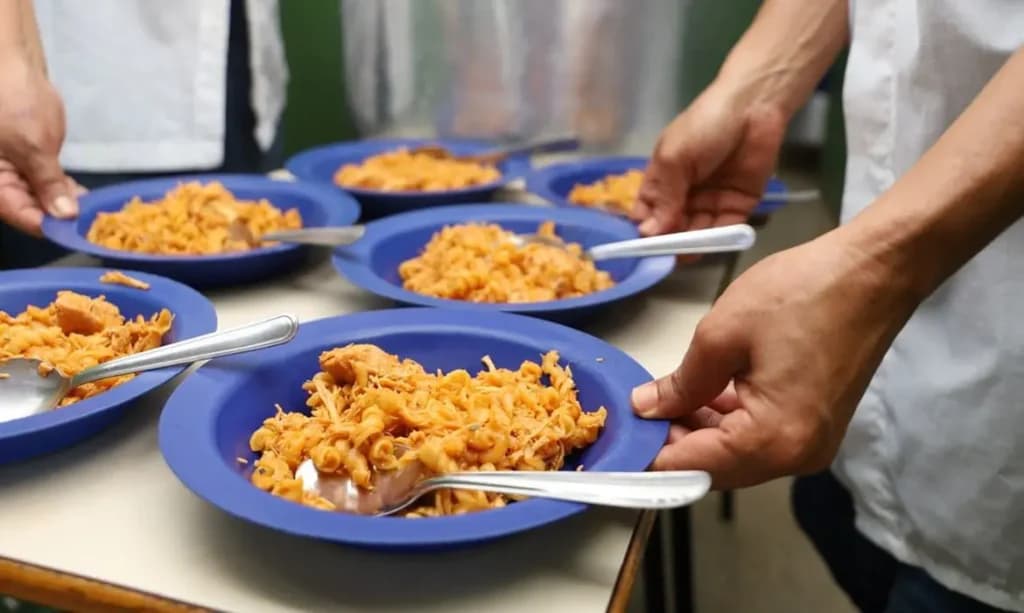
The Câmara Municipal de Ponta Grossa maintained, by 12 votes to 6, the veto of the prefeita Elizabeth Schmidt (PL) to the proposal that authorized teachers and other education professionals to consume food in excess of school snacks. The vote took place during the ordinary session on Wednesday (14). Councilwoman Joce Canto (PP) was absent.
From the authorship of the councilor Guilherme Mazer (PT), the Bill no 162/2026 provided for the use of meals prepared and not consumed by students in municipal public schools. The text, identified as Law No. 16,052/2026, had received full veto from the Executive on September 11. With the decision of the councillors, the authorization does not enter into force in the terms previously approved by the Legislative.
Proposal sought to take advantage of ready-made foods
The project allowed to make available the remaining snack to teachers and other employees in effective exercise in the school units, after the attendance of students. The initiative did not force workers to consume food. It also stated that the measure would not represent an increase or reduction in remuneration or indemnity rights, especially the food stamp or equivalent benefit.
According to Mazer, the objective was to combat the waste of meals already prepared, without expanding the production of food or modifying the benefits received by professionals.
During the discussion, the councilman explained that lack of students and variations in consumption can cause the amount prepared to exceed the need for the day. “I want to avoid wasting food at school. Just that,” he said. Mazer also argued that the authorization would give legal certainty to school directorates that eventually allow the use of these foods by employees.
The City Council has doubled its benefits
In the reasons for the veto, the Executive argued that offering meals to the servers, while maintaining the payment of the food stamp, could configure accumulation of benefits intended for the same purpose. The justification cites judgments Nos 3450/25 and 2761/23 of the State Court of Auditors of Paraná (TCE-PR).
According to the interpretation presented by the City Hall, the municipality should choose between food aid and the direct supply of meals, avoiding duplication. The veto also mentions principles of public administration and the purpose of the National School Feeding Program (PNAE) as grounds for rejecting the proposal.
Contract and costs also motivated the veto
Another argument of the City Council was the possible impact on the contract of outsourcing of school feeding. According to the Executive, the service was sized according to the number of students attended, and food does not constitute a stock administered directly by the municipality. In management’s assessment, the inclusion of servers could raise expenses for ingredients, production, labor, logistics, storage and control. It could also open the possibility for a request for economic-financial rebalancing by the contracted company.
Read also: Vorcaro contract provided R$ 427 million to wife of disbargator
The City Council also pointed out that the proposal did not present an estimate of the budgetary-financial impact or an indication of the source of costs, citing requirements of the Tax Responsibility Law. The Executive questioned, finally, how the amount considered surplus would be monitored. According to the justification, the absence of objective criteria could stimulate the preparation of food beyond what is necessary to meet the students.