How to brush a dog's teeth: step by step
Dental brushing is essential to prevent tartar, gingivitis, and periodontal disease in dogs. With patience and the right products, the owner can perform hygiene at home. See the recommended step-by-step guide by a veterinarian.

Knowing how to brush your dog’s teeth is a care that every tutor can learn and should include in the pet’s routine. Brushing helps to remove plaque, prevent tartar buildup, and keep oral health up to date. The use of dog products and the gradual adaptation of the animal to oral hygiene help to make brushing safer and quieter at home.
With the guidance of the veterinarian Marcelo Tacconi, in this guide you will learn how to brush the teeth of the dog, which brush and paste to use, how often to do hygiene and what to do if the pet does not let it move in the mouth.
Preparation: choose the time and the products
To brush your dog’s teeth, choose a time when the pet is calm and has a dog-friendly toothbrush and toothpaste on hand. If it is the first time, do not be in a hurry: before starting to brush, let the animal know the products and get used to the manipulation of the mouth.
Choose a time when the pet is calm and receptive, such as after a game or when you are resting. Look for a comfortable place where you can approach your mouth without having to hold or force the animal. This choice makes a difference especially in the first attempts, when the dog is still understanding what is happening.
Suitable products: brush and paste for dogs
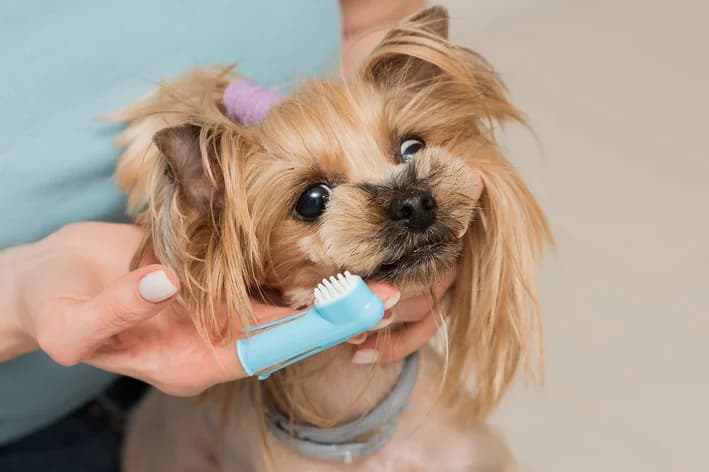
Use a dog toothbrush with soft bristles and a dog toothpaste. The finger can be an alternative in this phase of adaptation, especially for dogs that still miss the brush. Before the first brushing, let the pet smell and become familiar with the products. It is also possible to start by gently touching the muzzle, lips and teeth.
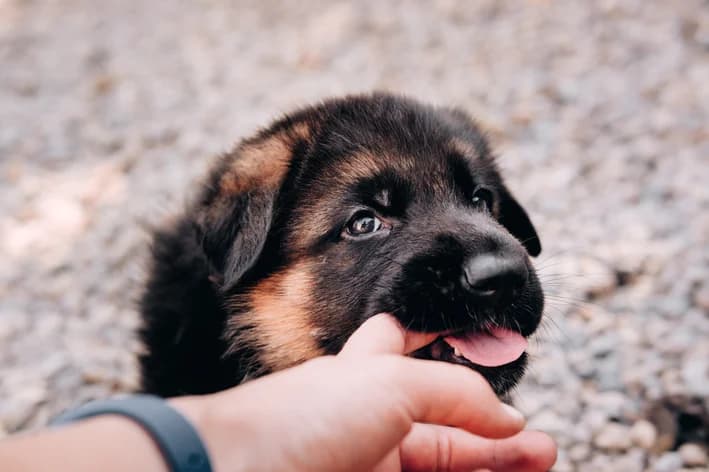
You do not have to open the dog’s mouth completely. Raise your lip gently to make your teeth and gum line visible. Starting in this way is usually more comfortable for the animal and facilitates access mainly to the outside of the teeth.
Step by step from brushing
Place a small amount of paste on the brush and make light, circular movements over the teeth. Pay attention to the area near the gum line and the back teeth, areas where plaque can also build up. Brushing does not need to be hard to work. Too much pressure can cause discomfort and make the dog more resilient in the next few attempts.
It is normal for the first brushing to be short. If the pet begins to move away, demonstrate discomfort or do not want to continue, do not force. In the first few days, the goal is also to get him used to the touch and brush. As acceptance improves, it becomes easier to gradually increase time and reach more teeth.
Positive reinforcement and gradual adaptation
After brushing, reward the dog with affection, playfulness, or something he likes. This positive association helps the animal to understand that that moment is part of the routine and does not represent an unpleasant experience. With repetition and patience, the dog’s oral hygiene tends to become simpler for both the pet and the tutor.
Why brush your dog's teeth?
The oral health of the dog often ends up being left aside in the routine of care. Lack of hygiene favors the accumulation of bacterial plaque, which can evolve into problems such as tartar, gingivitis and periodontal disease. With the advancement of these pictures, the dog can present bad breath, sensitivity in the mouth, inflammation of the gums and even difficulty feeding.
According to the veterinarian Marcelo Tacconi, taking care of your teeth helps to avoid problems that go beyond the mouth. The source did not detail what these problems would be, but the recommendation reinforces the importance of regular brushing as part of animal health care.
For tutors of Ponta Grossa and region, the guidance is to seek a trusted veterinarian to ask specific questions about the oral health of the pet. Brushing at home, coupled with periodic check-ups, can ensure a better quality of life for the dog.
Font
blog.cobasi.com.br