Memory, culture and identity of Ponta Grossa
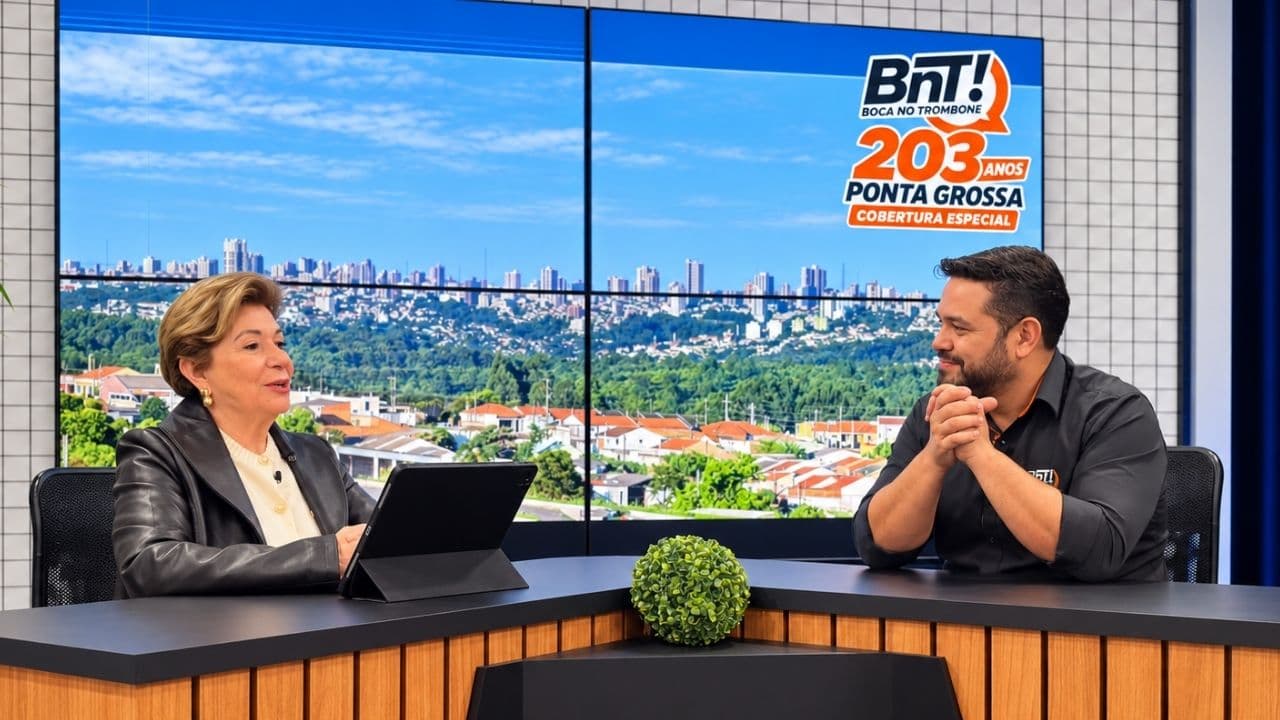
The history of Ponta Grossa began long before political emancipation, with the presence of indigenous peoples and the circulation along the ancient Caminho do Peabiru. Over the centuries, troperos, enslaved people, immigrants and different generations contributed to forming the local identity


Ponta Grossa was not born when someone decided to found a city. It began much earlier, when the first indigenous peoples occupied the Campos Gerais and transformed this territory into a place of passage, encounter and permanence. Centuries before the streets, churches and maps, there were already roads, knowledge and a deep relationship between man and the landscape. It is impossible to understand the identity of the Ponta Grossa without recognizing that our history begins thousands of years before political emancipation.
The privileged location made this territory a strategic point long before any urban nucleus existed. By the ancient Peabiru Way, native peoples circulated; then came the scouts and, later, the tropeiros. They were the ones who consolidated landings, stimulated trade, raised farms and turned the Campos Gerais into an important route of wealth circulation between the South and Southeast of Brazil. Tropeering has not only shaped the economy. It left deep marks on the cuisine, religiosity, architecture, language and the way of life of the population.
It was from this constant movement that Ponta Grossa was born. The parish, the village and, subsequently, political emancipation represent stages of a much larger process, built by indigenous people, tropeiros, enslaved people, immigrants and so many other generations that made the city a space of coexistence between different cultures. Our identity was never the result of a single people, but the sum of many encounters.
Even the name of the city and the stories that cross its formation reveal this symbolic heritage. The origin of "Ponta Grossa", the legends surrounding the territory, the tradition of the white doves and the official symbols - flag, coat of arms and anthem - help to translate the way different generations have come to recognize this place as their own. More than official elements, they are representations of a collectively constructed memory.
Perhaps the greatest wealth of Ponta Grossa is precisely this ability to bring together different times in the same territory. The marks of the native peoples coexist with the tropeira heritage, the influence of immigrants, the strength of urban development and the dynamism of a city that continues to grow without stopping to look at its own history.
To know Ponta Grossa is to understand that no city is born ready. It is built slowly, by people, memories and choices. Preserving this trajectory does not mean living in the past, but recognizing that the identity of a people is their most valuable heritage and that each generation has the responsibility to write the next chapters of this history.
Article by the Secretary of Culture, Alberto Portugal for the book: “PONTA GROSSA: From the Route of the Tropeiros to the Paths of Innovation”
https://www.youtube.com/live/SrnvIEK6uZM?is=ZN5fEA7op-EaAZyZ
Comments
No comments yetLoading comments…