Oil rises 4.8% on rumors of new attacks on Iran
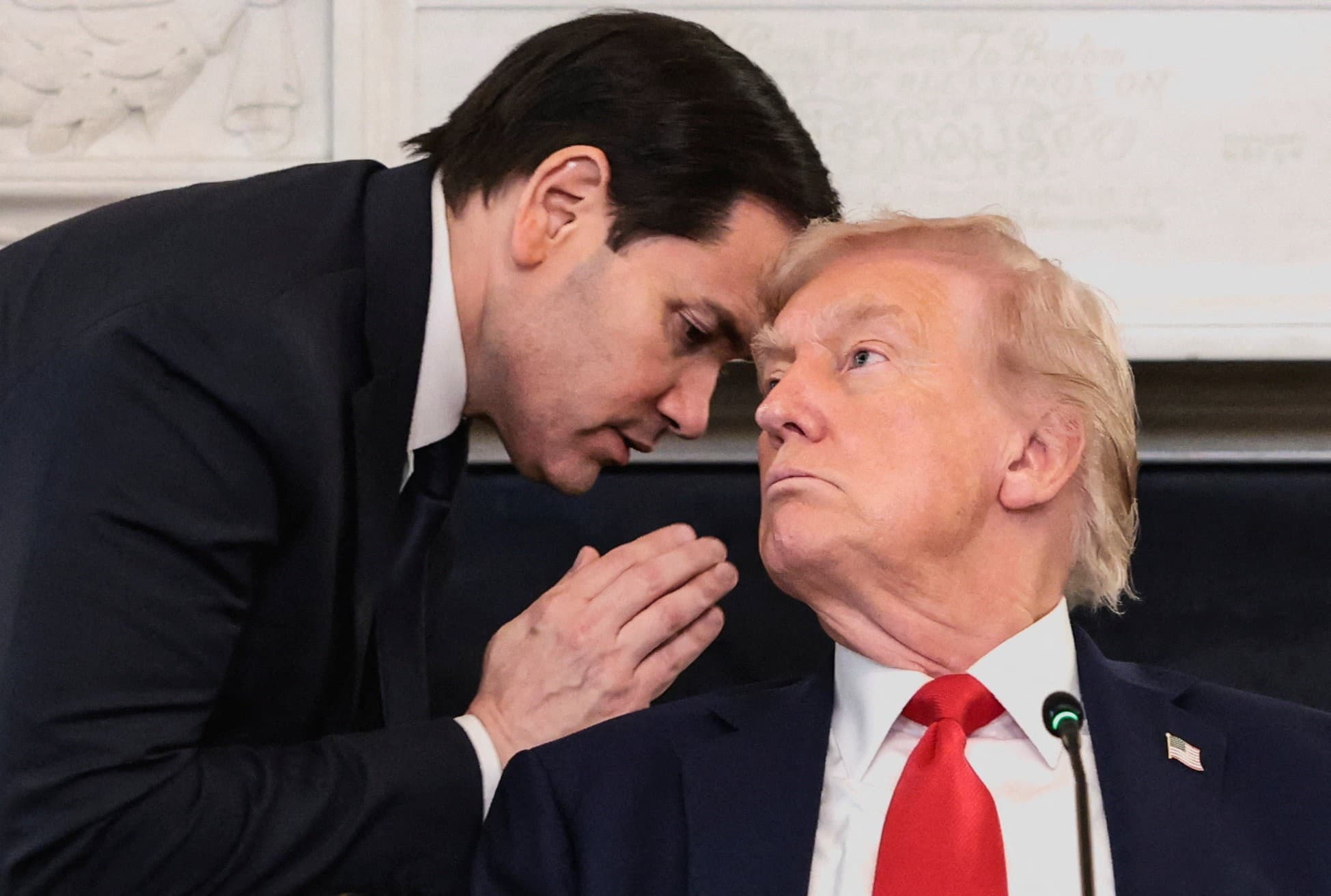
The price of Brent crude rose 4.80% this morning, quoted at $105.01, after reports that the Trump administration was planning new attacks on Iran. The information had leaked to outlets such as The Atlantic and Axios. The market reacts to the possibility of escalation in the conflict, which has already pushed the barrel above $120.

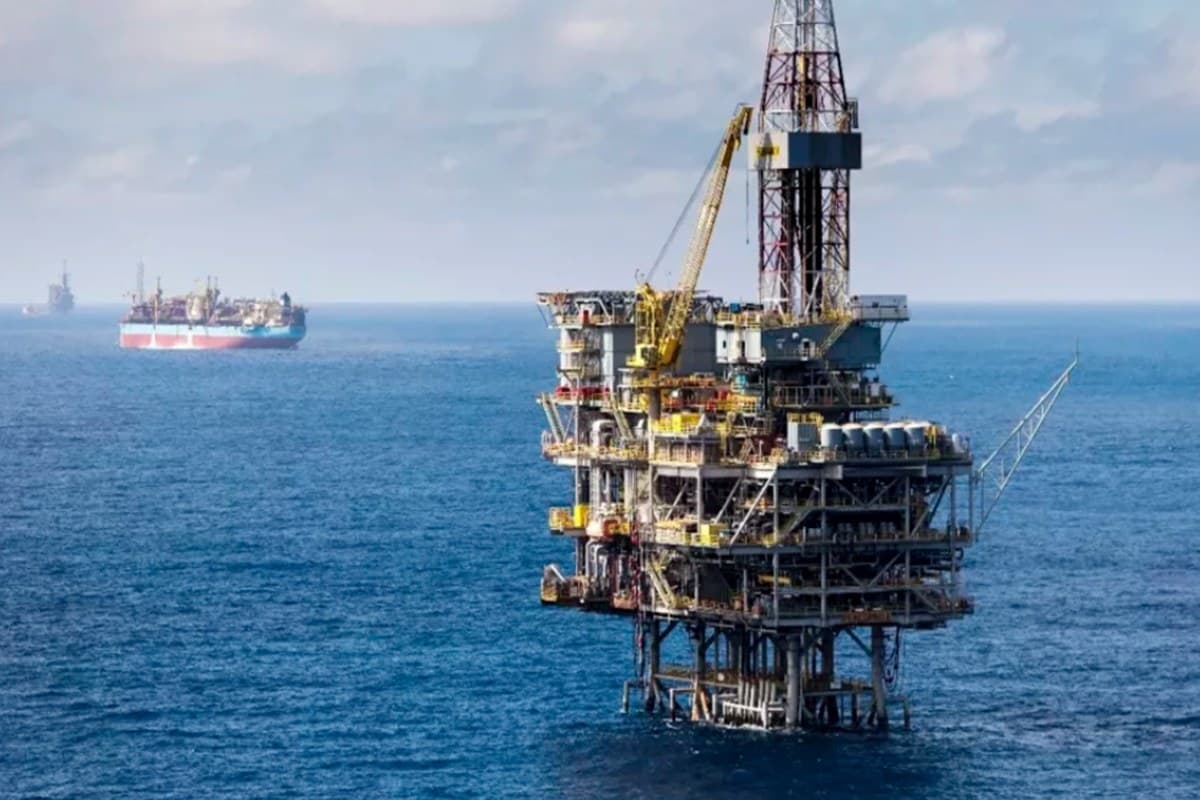
Brent oil, the benchmark on the international market, was trading at $105.01 at 9:17 a.m. on Thursday, up 4.80% in 24 hours. The move comes amid rumors that President Donald Trump’s government is planning new attacks on Iran, according to reports by such media outlets as The Atlantic magazine and Axios. The possibility of a rise in the Oriente Médio puts pressure on commodity prices, which have already accumulated strong volatility since the beginning of the conflict in the region on February 28.
Leaked reports indicate offensive plan
According to the reports, the media had access to government reports with plans for an offensive against Iran. The source did not detail the specific content of the documents, nor did it confirm whether the actions had already been authorized. The mere circulation of this information, however, was enough to mess with the future oil market, which has been operating at a strong upwards since the first hours of the trading.
Fear of further attacks reignites concern over global oil supply. Iran is one of the main producers of the Organization of the Petroleum Exporting Countries (OPEC) and any disruption in its exports can generate a significant imbalance. In addition, the Persian Gulf region concentrates much of the world’s reserves, and the Strait of Hormuz is the main outlet for oil produced in the area, which includes Saudi Arabia, the United Arab Emirates, Kuwait, Iraq and Iran itself.
War on Oriente Médio and Brent Volatility
The conflict between Estados Unidos, Iran and Israel began on February 28. In the days leading up to the confrontation, the price of a barrel of Brent-type oil varied by $70. With the escalation of the war, the item exceeded $120, a jump of more than 70% in a few weeks. In the midst of the war’s cooling, oil prices came close to $90, but the recent news of new attacks spurred prices again.
Market analysts heard by the report explain that volatility is a direct reflection of geopolitical uncertainty. When there is a risk of supply disruption, buyers anticipate acquisitions and speculators raise prices. A rise of 4.80% in a single day is considered expressive, but still far from the peak observed at the height of the conflict. The source did not detail future projections, but the scenario remains sensitive to any news coming from the region.
Domestic political context in the US
Rumors of further attacks on Iran come at a delicate time for the Trump administration on the domestic scene. Elections are important because they define the president’s power of influence over the U.S. legislature. With popularity dropping, according to polls, Republican Trump may see a number of elected Democratic deputies and senators form a majority in both houses.
This political context can influence foreign policy decisions, since an opposition Congress could limit the ability of the Executive to conduct prolonged military operations. The source did not detail whether the plans to attack Iran would be related to the election calendar, but the temporal coincidence draws the attention of observers. The market, in turn, reacts more directly to unfoldings on the battlefield than to partisan disputes.
Impact for the Brazilian consumer
The rise of oil in the international market has direct reflections in Brazil, as fuel prices are linked to global prices. The Brent type barrel serves as a reference for Petrobras in the definition of the values of gasoline and diesel. When oil rises, the trend is to shift to pumps, which puts pressure on inflation and the cost of living of the population.
In the Paraná, a state with a strong presence of agribusiness and industry, the increase in the cost of diesel can increase transportation and production costs. The source did not detail any forward estimates, but recent history shows that sharp swings in Brent usually lead to readjustments in domestic prices. The final consumer must therefore be attentive to the upcoming market movements and to the decisions of the Brazilian state.
What to expect in the next few days
The market remains in a state of waiting for official confirmations of alleged plans to attack Iran. So far, the US government has not spoken publicly about the leak of the reports. The absence of official statements maintains the environment of uncertainty, which tends to sustain oil volatility in the short term.
Investors and analysts closely monitor any signs of escalation or retreat in the conflict. The upcoming OPEC meeting and the unfoldings in the U.S. Congress are also on the radar as they can influence supply and demand expectations. In the meantime, the Brent-type barrel follows as a thermometer of geopolitical tensions, reflecting the global nervousness with each new news coming from the Oriente Médio.
Read Also
U.S. prepares charges against Maduro for torture
Fire hits Yandex data center in Russia
Font
Metropoles.com