Water Cycle Becomes More Unpredictable, Threatening Reserves, Warns UN
The World Meteorological Organization warns that the water cycle has become more irregular and unpredictable, with 2025 among the driest years in 35 years. Glaciers have lost mass for the fourth consecutive year and rivers have flow below average, threatening freshwater reserves.

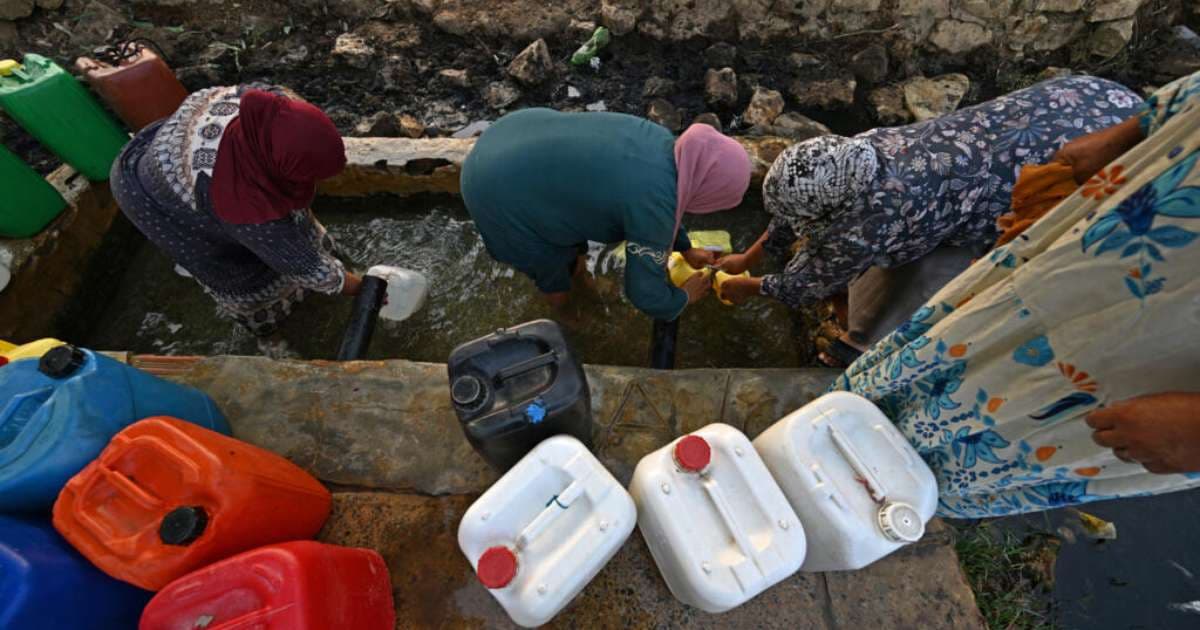
The year 2025 is among the hottest ever recorded and also among the driest in the last 35 years in terms of river flows, according to a new report by the World Meteorological Organization (WMO) on the state of water resources in the world. The finding ignites a warning about the availability of fresh water on the planet, in a context of long-term reduction of reserves and continuous retreat of glaciers.
"It's hard to say for sure whether it was the second or third driest year," but "it's in the top three," Wayne Jenkinson, director of the WMO's hydrology and cryosphere division, told a news conference. The situation occurs "in a context of long-term reduction of the Earth's freshwater reserves and continuous retreat of glaciers - trends that will have important consequences for populations and economies in the future," the WMO said in a statement.
Water cycle oscillates between scarcity and excess
According to the UN agency, the water cycle has become, in general, "more irregular and unpredictable, oscillating between scarcity and excess". Some components of the cycle change rapidly, such as precipitation, river flow, and soil moisture, reacting to weather conditions in a matter of days or weeks. Others, such as groundwater, glaciers and seasonal snow cover, evolve more slowly, over the seasons and even decades or even longer periods. These reserves help to dampen the effects of drought years.
"We are emptying these reservations," WMO Secretary-General Celeste Saulo told reporters. According to her, “global continental water reserves have been showing a downward trend since 2014-2016, a persistent sign for a decade.” The statement reinforces the seriousness of the scenario for water supply in the future.
Glaciers Lose Mass for Four Years in a Row
For the fourth year in a row, all the major glacial regions of the planet have lost mass, according to the report. In the case of glaciers, the cumulative mass loss worldwide between 2023 and 2025 reached 1,400 gigatons of water, roughly equivalent to the volume needed to fill 560 million Olympic pools, about a third of all fresh water withdrawn annually. Accelerated melting compromises a crucial source of water for rivers and aquifers, especially in mountainous regions.
“Groundwater follows this trend: almost two-thirds of the wells monitored in the world presented, in 2025, conditions different from the historical average,” stressed Saulo. The change in water tables indicates that even the deepest reserves are being affected, with long-term impacts for agriculture and human consumption.
El Niño intensifies water disaster risks
"At the same time, we have seen an increase in water-related disasters. The strengthening of the El Niño will increase the risk of droughts in some regions and floods in others,” said the Secretary-General. The current El Niño weather phenomenon continued to strengthen in August and is now 75 percent likely to become the most intense ever recorded, according to an announcement made a few days ago by the National Oceanic and Atmospheric Administration of Estados Unidos (NOAA).
Associated with record droughts, floods and temperatures in different parts of the world, the El Niño is a natural variation in climate that occurs every two to seven years.
Asia and Africa have accounted for at least half of all water-related extreme episodes worldwide and more than 80 percent of associated deaths in the past five years. The study also shows that, in the last seven years, the number of rivers in the world with flows considered “normal” was the lowest since 1991. In more than 36% of the world’s watersheds, the flow was below average.
Lack of data increases vulnerability
The WMO also points out that the availability of data on water resources has improved, but gaps persist in some of the most affected areas. "Water does not respect borders. The water balance of a river basin may depend on what happens in another country," said Saulo, stressing the need to share data, monitoring patterns and early warning systems. "One glacial disaster in one country can wreak havoc in another, as demonstrated by the recent tragedy that hit China and Nepal," he added.
The global scenario reinforces the urgency of water management policies and international cooperation. For the reader, the UN alert serves as a call to awareness about the responsible use of water and the importance of preserving springs, rivers and aquifers. Follow the Boca no Trombone portal for weather updates and meio ambiente.
Read Also
U.S. House approves project on economic impact of data centers
Gold mine collapse in Sudan leaves 82 dead
Font
www.terra.com.br
Comments
No comments yetLoading comments…