Aneel keeps green tariff flag for November
Electricity bills do not face extra charges for the second month

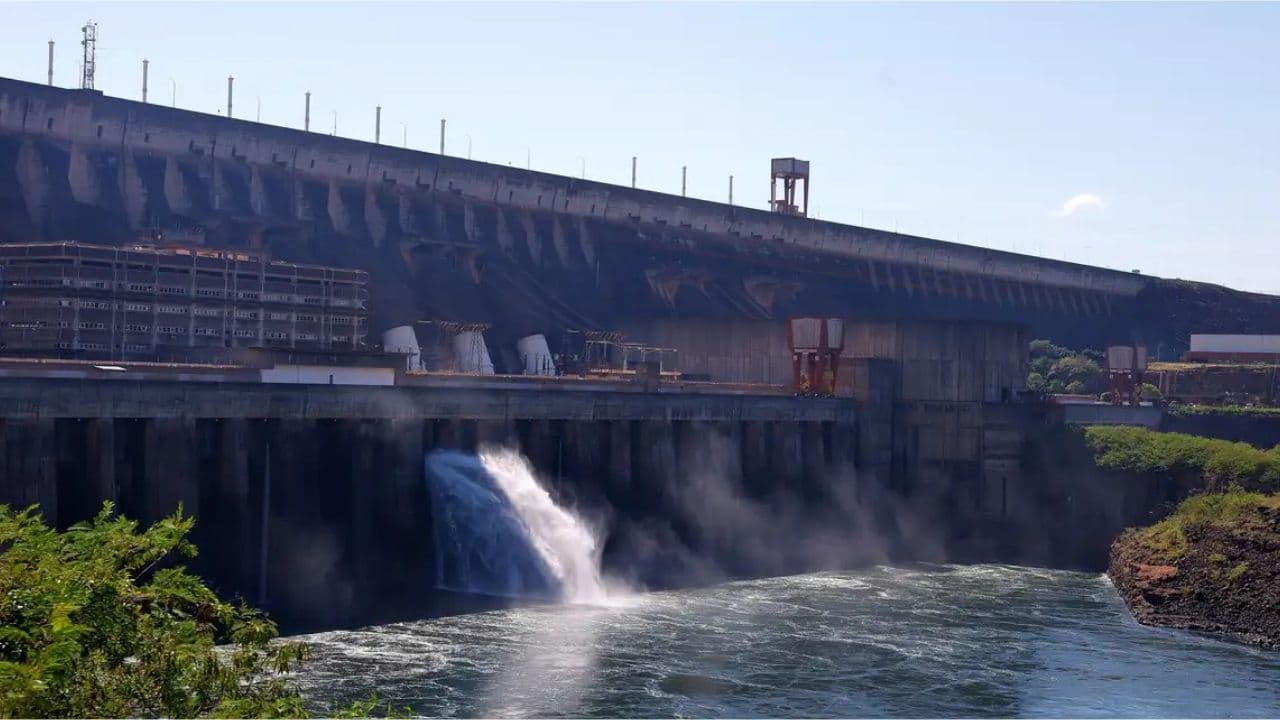
For the second consecutive month, the electricity bills will not be charged an extra fee, the National Electric Energy Agency (Aneel) reported on Friday (30). Maintenance of the green flag remains in November due to favorable generation conditions.
The green tariff flag came back into force in October, after five months of yellow flag, which has an additional cost of R$ 1,885 for every 100 kWh consumed for all consumers connected to the National Interconnected System (SIN).
"The increase in rainfall in the regions where the main hydroelectric plants are located brings balance to the reservoirs. In this scenario, there will be no need for greater operation of thermoelectric power plants, whose cost is higher," the regulatory agency clarified.
Created in 2015 by Aneel, the tariff flag system reflects the variable costs of electricity generation. The flags are divided into colors and indicate how much it is costing the SIN to generate the energy used in homes, commercial establishments and industries.
The colors of the tariff flags are defined from the forecast of change in the cost of energy in each month. When the light bill is calculated by the green flag, there is no addition. When the red or yellow flags are applied, the bill is added to every 100 kilowatt-hours (kWh) consumed.
The amounts charged are as follows:
in the yellow flag, with less favorable generation conditions, the tariff is increased by R$ 1.88 for every 100 kilowatt-hours (kWh) consumed;
in the red flag, in Patamar 1, with more expensive conditions of generation, the tariff suffers an increase of R$ 4.46 per 100 kilowatt-hour kWh consumed.
in the red flag, in Patamar 2, the conditions of generation are even more expensive, and the tariff suffers an increase of R$ 7.87 for every 100 kilowatt-hour kWh consumed.
SUS identifies nearly 10,000 positive cases of high-risk HPV in new examination