Caso Master may change rules on impediment in STF
The Master case exposed professional relationships between relatives of STF ministers and law firms, raising questions about conflict of interest. Experts call for clearer rules on transparency and prevention.

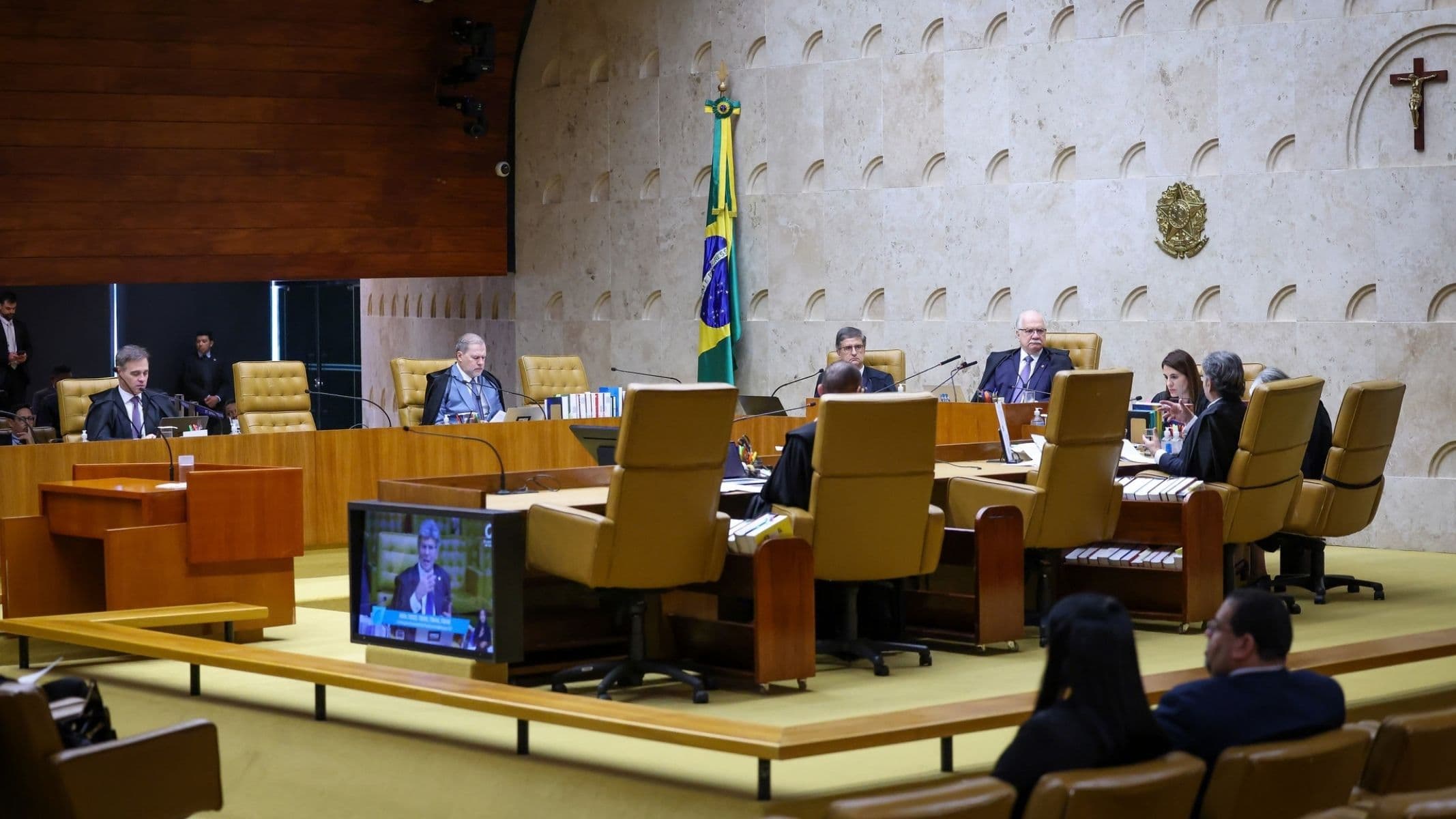
The Master case, which revealed professional relations of relatives of ministers of the Supremo Tribunal Federal (STF) with law firms, reignited the debate on the rules of impediment and suspicion in the Court. The revelations reach relatives of four ministers, in different situations, but with one point in common: the need to define when a private relationship begins to compromise the impartiality of the judge.
At present, the norms provide for objective hypotheses of expulsion when the magistrate himself, his spouse or relatives are directly involved in the process. However, the Master case highlights a different scenario: when the family member maintains a professional or financial link with someone who has interests before the STF, without the minister directly participating in that relationship.
Debate on transparency and prevention
In these cases, there is no automatic impediment. The discussion becomes about transparency, appearance of impartiality and eventual need for distance. It is precisely at this point that the Master case can provoke changes in the functioning of the Court.
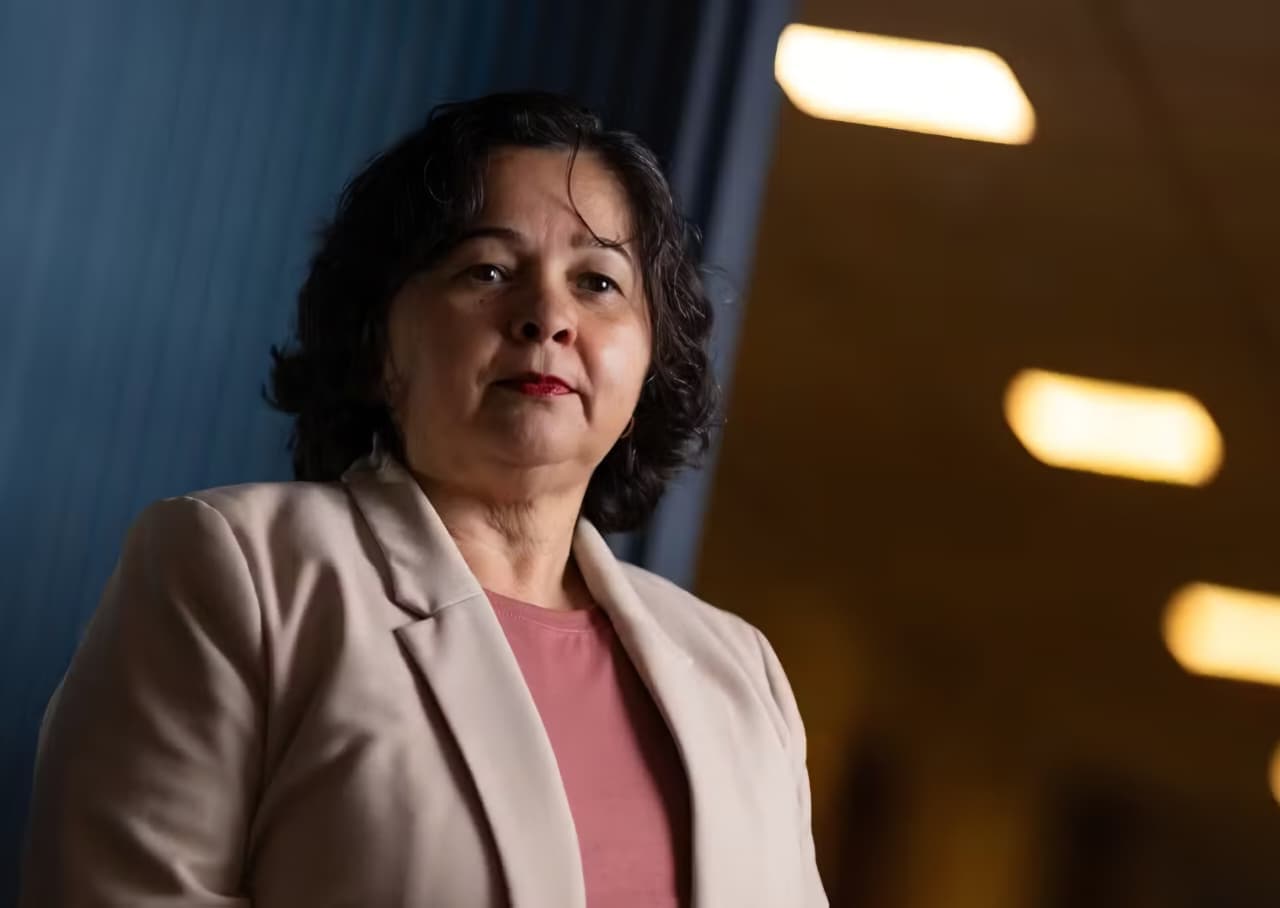
For Miguel Vidigal, lawyer and doctor in Civil Law, the challenge is to reconcile the professional freedom of relatives with ethical limits for the judiciary. “It is not possible to penalize the professional life of relatives of magistrates, but, on the other hand, it is necessary to establish ethical limits to the judiciary,” he says.
Preventive measures advocated
According to Vidigal, leaving the analysis of possible conflicts only for after a denunciation or the discovery of an exchange of favors is not enough. The alternative would be to work preventively. “Even if it is not an impediment for the magistrate to judge cases of offices that have relatives working, there must be disclosure of such relationships,” he says.
The lawyer also advocates for annual reports with information on impediments and suspicions and clearer rules for travel and lectures by magistrates outside the country. Another change would be to remove from the minister himself the sole responsibility for assessing his impediment or suspicion. “One of the solutions is that it is not the judge himself who declares his own impediment and suspicion,” he says.
Preserving public trust
The logic, according to him, is to reduce preventively the circumstances that bring private interests and jurisdictional function together in a way capable of compromising public trust. “The aim is not to restrict the profession of family members, but to preserve impartiality and public trust in the Court,” he says. “Prevention must take place before the verification of any wrongdoing, through transparency and clear rules of impediment,” he says.
The Master case can boost rules that do not prohibit the professional performance of family members, but increase transparency. The discussion could also reach gifts, travel, accommodations, events and other benefits offered to family members by people with interests before the Court.
Balance needed
According to Vidigal, the principle should be preventive: “It is not enough for Caesar’s wife to be honest, she must appear honest to the public.” The challenge, therefore, is to find a balance between two principles: not to turn the legitimate professional activity of relatives into an automatic impediment and, at the same time, to prevent private relations from creating zones of doubt about the independence of the judge.
An example cited in the context of the case involves the minister Gilmar Mendes, who denied impediment or any irregularity in relation to a relative. In that year, Gilmar granted injunction to replace Barata’s pre-trial detention with pre-trial measures, and the Second Class subsequently confirmed the decision. The source did not detail the degree of kinship or the exact nature of the professional relationship.
The conflict of interest debate in the STF is expected to continue in the coming months, with possible proposals for changes to the Court’s rules of procedure. The expectation is that the Master case will serve as a catalyst for a review of transparency and prevention standards.
Read Also
Renato Freitas sues Ricardo Zampieri; request to remove video is denied
Dino leads to plenary of STF decision on posts of Nossa Senhora Aparecida
Bet associations ask STF to suspend Brazil’s betting ban
Font
www.gazetadopovo.com