Fandoms mobilize and become key piece in Lula's election
After the first round, fan clubs of artists like Billie Eilish and BTS mobilized on social media to support Lula. The spontaneous action gained scale, organized events and influenced the final stretch of the 2026 election.

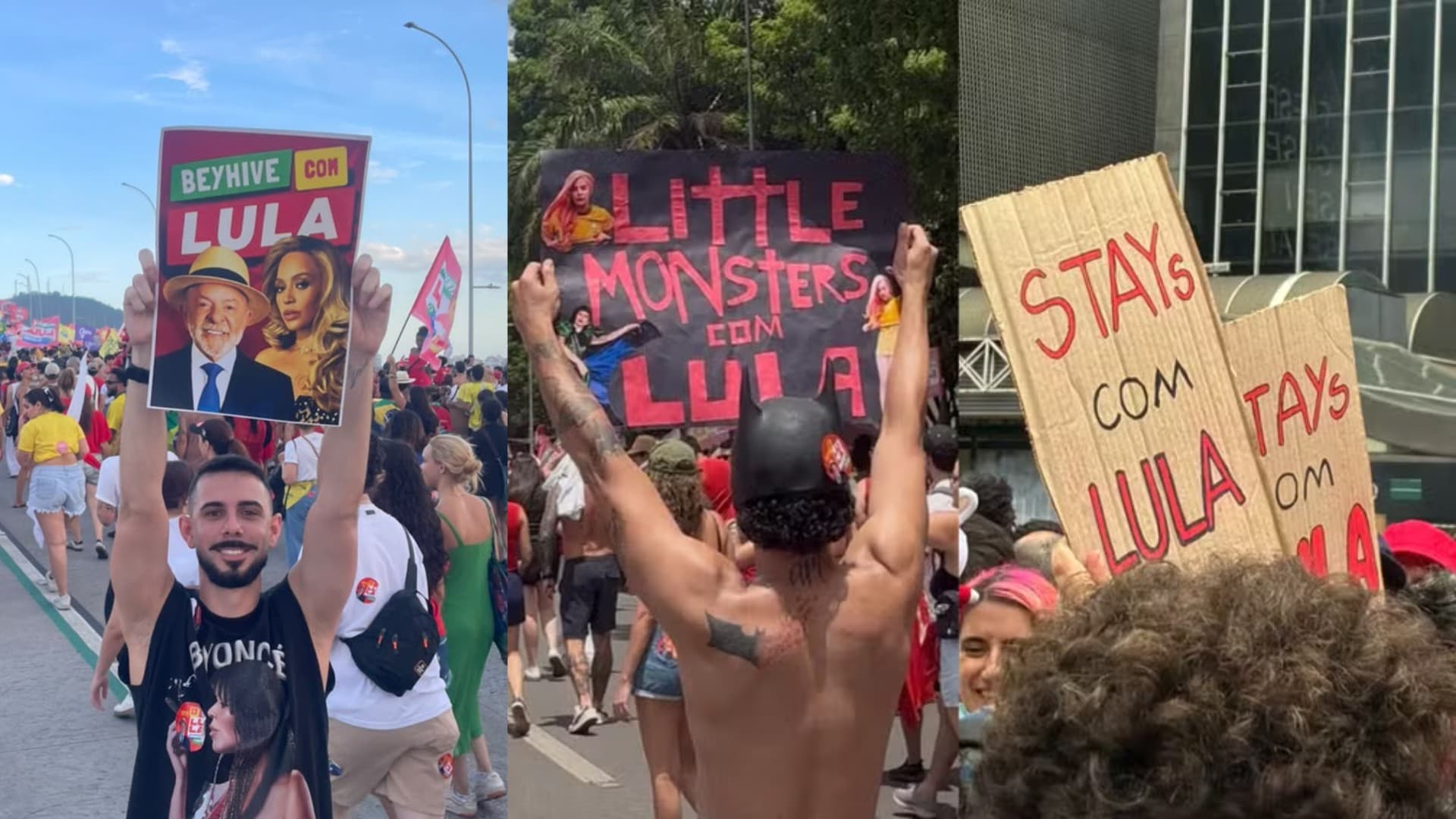
Hours after the result of the first round of the presidential elections, on October 4, a fan club of Billie Eilish made a post available to help the campaign of Lula (PT). What seemed like an isolated gesture became one of the most unusual movements of the final straight of the election.
The post on the X ended up becoming the seed of a mobilization among fans of pop culture. In the following weeks, fandoms began to prioritize politics over news about their idols. They created content, took to the streets, and helped drive an unprecedented turn in the presidential elections. Understand how the fan clubs participated in Lula’s re-election in 2026:
Previous Fans Engaged in Politics
The relationship between fans and politics has recent precedents in Brazil. In 2022, for example, the “Fandoms for Voting” movement mobilized young people between 16 and 18 years old to take the title of voter and participate in the voting. Another similar movement was the "Fandoms Pela Amazônia", of 2024, with mutiny for the defense of environmental preservation.
This year, guidelines related to pop shows were bringing fans closer to politicians such as Guilherme Cortez (PSOL) and Erika Hilton (PSOL). In August, this culminated in a meeting with Lula in Brasilia for the “Decree of the Fans”, against the change and in favor of the free distribution of water at the events.
But even the fans who were already positioning themselves were doing it on a smaller scale. The trigger for the big move came with the result of the first round, in which Lula appeared behind Flávio Bolsonaro (PL).
The stopim: first round and digital union
That’s when the youth used 600 fan club pages, totaling about 20 million followers, to unite for the petista campaign. “We realized that Lula had a very strong lack in his digital campaign, to reach young people, both in video editing, and in spreading information,” explains Victor Gabriel, of Info Billie Brazil.
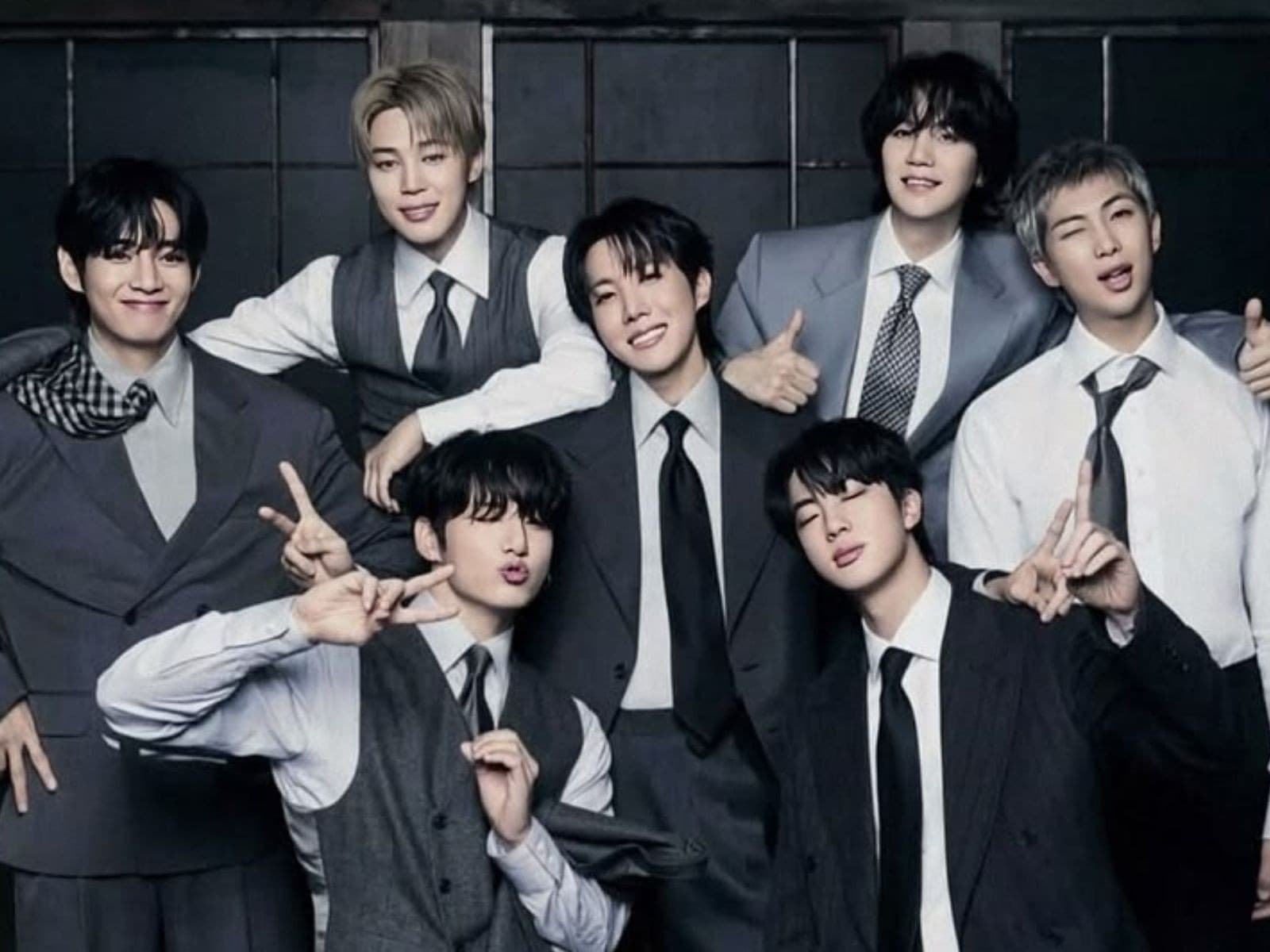
It was a "spontaneous" idea at a time of concern, but it worked. Pages of BTS fans, Olivia Rodrigo, Beyoncé, Taylor Swift, The Weeknd and other artists replicated the post, offering their networks to the campaign.
The effort was soon recognized by the candidate’s campaign. After the series of tweets from the portals, members of Lula’s team came into contact, and the team of the first lady Janja even created a group to gather representatives of fan clubs. But it was the fans themselves who organized the content organically, according to the interviewees.
Act in the Paulista mark turned
This mobilization contributed to one of the first and largest acts of support for Lula, in Avenida Paulista, on October 11. Organized by student associations, the act featured the spread of fandoms and proved that the campaign of the petista still had breath.
The group sought the team of Erika Hilton and the Youth of the PT, and it was through the young petistas that Lula’s team came into the scene. The initial expectation for the act was about 5,000 people. Within days, Erika Hilton and vice president Geraldo Alckmin confirmed presence and adms from fan clubs were invited for an interview on DiaTV.
By joining the trio on October 11, Lula even changed his traditional fulfillment. “I don’t know if I start my speech by saying ‘companions’, ‘companions’, or I start by saying ‘Fandoms of Brazil, thank you for your initiative.’” It was official: the fan clubs had entered the campaign history.
Creative content and unpublished collaborations
In this period, the collective Fandoms Pelo Brasil (which existed since 2024) was structured once in favor of Lula’s campaign. Some content used songs from their idols to address campaign guidelines such as the end of the 6x1 scale. Others tried to make the subject less serious, with videos associating Lula with his favorite pop divas. They even rolled collabs between “historically rival” fandoms, like fans of Anitta and Ludmilla, BTS and Blackpink, and so on.
The biggest concern, according to Rafaella, was “breaking the bubble”. “We needed to turn digital mobilization into votes at the polls,” he explains. Therefore, they encouraged followers to talk with relatives and win "at least one more vote" for Lula.
Support of idols and internal resistance
Some fan clubs have had the backing of their idols or people close to them. Victor says his fan club sent content to Billie Eilish's brother and mother, and they made pro-Lula posts afterwards. “When her mother and brother take the same positioning as you do, you understand that you’re right to give voice.”
But not every fan agreed with the action of the portals, especially when it is not possible to know the position of the idols. The source did not detail the size of the resistance or any internal conflicts.
The mobilization of fandoms in the 2026 election showed how pop culture can influence political debate and engage young voters. The movement, which began with a spontaneous post, has turned into a digital force capable of impacting the final straight of the presidential campaign.
Read Also
Rust launches tribute to Alcione in December
Netanyahu remains interim after Israel's no-majority election
Font
g1.globo.com