Government Considers Banning Online Bets and Risking Billions
In the final stretch of the campaign, the federal government is studying a ban on online betting, a measure supported by 75% of Brazilians, but which could cost billions from public funds. Federal revenue from bets already totals R$9.9 billion in 2026, and companies may seek compensation in court.

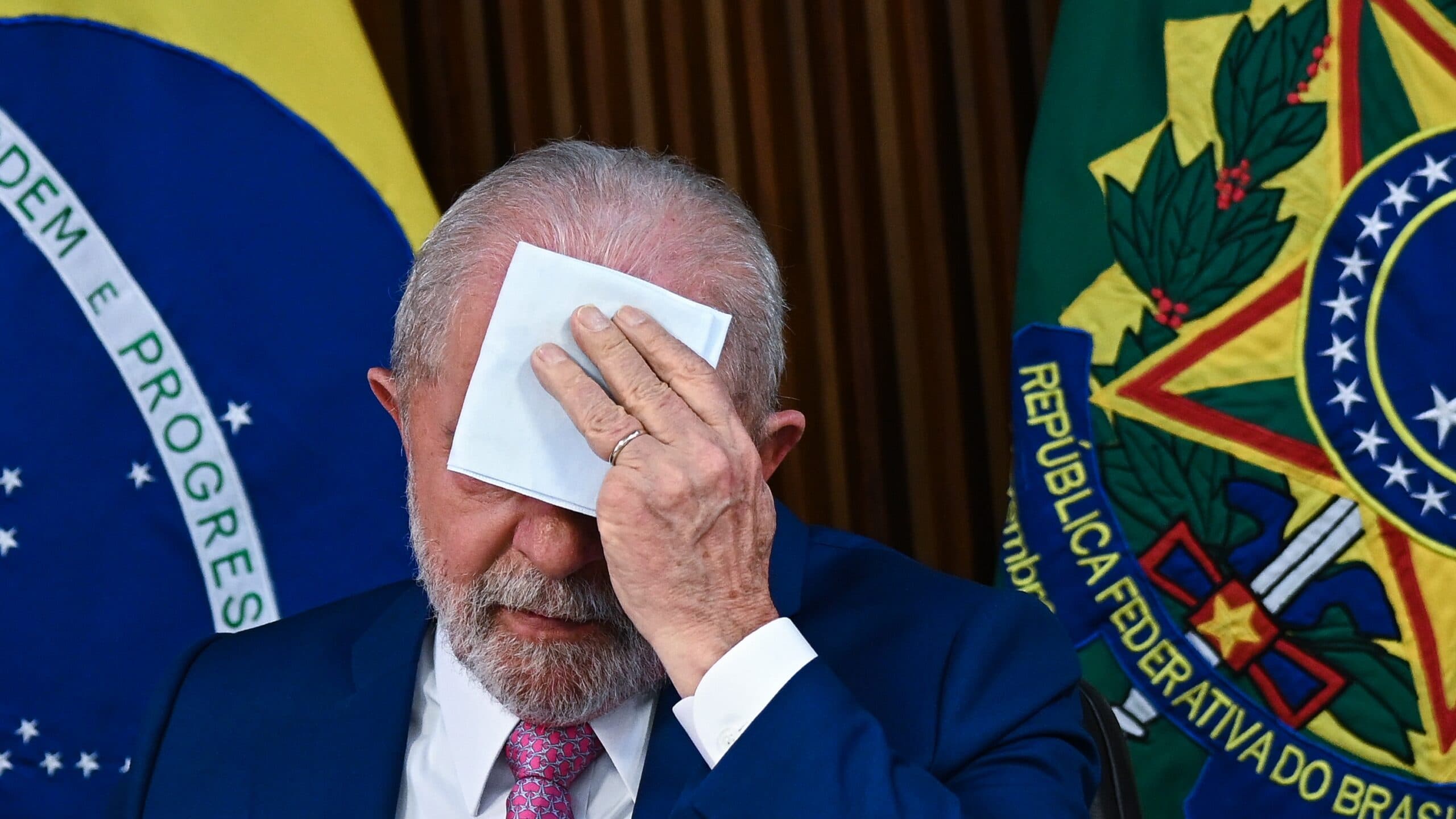
The Palácio do Planalto analyzes, at the end of the electoral campaign, a range of measures ranging from a medida provisória to increase the control of online betting to the total ban on the sector. The initiative comes amid popular pressure and debate about the social impacts of betting, but it can generate a billion-dollar liability for the taxpayer.
A possible ban finds an echo in the population: three out of four Brazilians agree that betting should be banned, according to Atlas research released on Wednesday (23). The ban bill, however, can cost public coffers dearly, as official data and expert analysis show.
Billionaire collection at stake
A survey by the Ministry of Finance shows that 85 authorizations have already been granted to companies in the sector, each at the cost of R$ 30 million — R$ 2.5 billion that entered the public vaults only with the grants. The companies, however, have already made a number of other investments to operate in Brazil and can sue the Union to try to recover these values in case of early closure of the authorizations.
If the measure proceeds, there would still be impacts in terms of collection for the Union, states and municipalities. From January to August 2026, the federal collection with the bets reached R$ 9.9 billion, a value 69.3% higher than that of the same period of 2025 and equivalent to the entire amount collected that year.
The ban would aggravate the public accounting picture in an already complicated scenario: the median expectations of financial institutions for the primary deficit in 2026 is already R$ 52.3 billion, according to the Fiscal Prism bulletin of the Secretariat of Economic Policy (SPE).
Impact on accounts and services
Under current legislation, online betting companies pay a 13% contribution on gross revenue after the payment of prizes. There is also a charge of 34% on the real net profit (IRPJ + CSLL), of 9.25% on the operational turnover (PIS / Cofins) and of up to 5% on the provision of services.
By interrupting this revenue stream, the government gives up a billion-dollar direct revenue. The loss reaches mandatory bound destinations defined in law, which direct resources to the Ministry of Sport, public safety, tourism, social security and health.
Risk of judicial liability
The legal liability brings even more serious contours to the credibility of the business environment. Dozens of national and foreign groups have made investments in technological infrastructure, personnel hiring and regulatory compliance.
Experts consulted by Gazeta do Povo assess that the formal closure of the betting market does not eliminate the demand for bets and can push part of the consumers to clandestine platforms or operated abroad. Without licensed operators in the country, the state would totally lose the ability to oversee, collect and enforce responsible gaming policies.
Social effects and public health
In August 2024, 5 million Bolsa Família beneficiaries transferred R$ 3.2 billion via Pix to betting platforms. The government has blocked more than 3 million registered in social programs, such as Bolsa Família, Benefício de Prestação Continua and Fies.
Income compromise also affects productivity and public health: removals by the National Social Security Institute (INSS) due to pathological gambling jumped from one case in June 2023 to 62 in June 2026. In the same period, the care of dependents in SUS grew almost 140%.
The government’s decision on the bets must consider both the electoral appeal and the tax and legal consequences. The Boca no Trombone Portal will continue to monitor the developments of this proposal and its impacts on the Brazilian taxpayer.
Read Also
Claudio Grokovichi joins the coordination of the Aliel Machado campaign
Bolsonaro’s defense backs down and waives 27-year sentence
Sandro Alex reaches 20% and ties with Requião Filho in second place
Font
www.gazetadopovo.com