Iran Suspends Freight Tax for Foreign Vessels
The Iran temporarily suspended a 10% tax on freight costs for foreign vessels transporting energy products. The decision comes amid a U.S. naval blockade that is hindering the country's maritime oil exports. The suspension may reduce costs and encourage foreign fleets to operate with Iran.

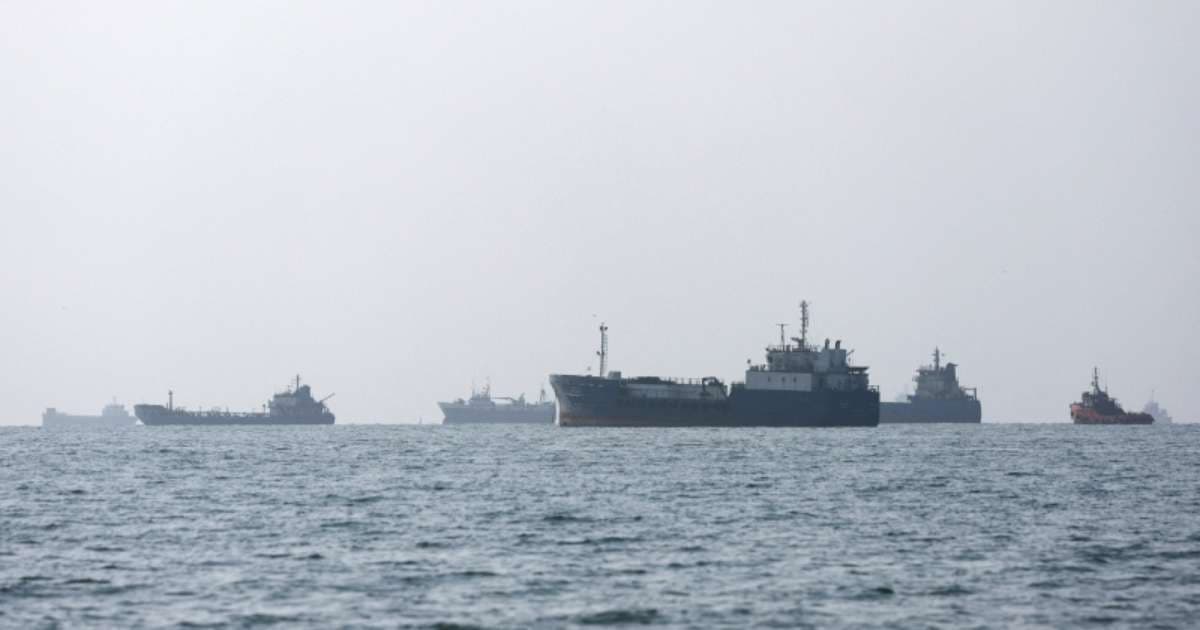
Iran has temporarily suspended a 10 percent levy on freight costs applicable to foreign vessels transporting oil, gas and petroleum derivatives imported or exported to and from the country. The information was released on Thursday by the semi-official news agency Fars. The move comes at a time when a U.S. naval blockade has severely damaged maritime exports of Iranian oil.
The vice chancellor of the Presidency ordered the collection to be suspended until the government approves and publishes a list of products subject to the fee, according to the agency. The decision seeks to alleviate the logistical costs that have been burdening the country’s energy sector, which faces international sanctions and restrictions on maritime trade.
Context of the suspension of the fee
The 10% rate focused on the freight costs of foreign vessels transporting oil, gas and liquid petroleum products. According to Fars, this charging had increased the cost of transporting these goods, making operations less attractive to international shipowners. The temporary suspension is seen as an attempt to reverse this scenario, especially in the face of the difficulties imposed by the US naval blockade.
The naval blockade has directly affected Iran’s ability to drain its oil production, reducing revenue from the sector and putting pressure on the local economy. With the suspension of the tax, the government hopes to reduce transport costs and thus encourage foreign fleets to transport goods to or from Iran, even at the risk of secondary sanctions.
Impact on maritime transport
The decision to suspend the collection may have practical effects in the short term. Foreign shipowners who previously avoided operating with Iran due to additional costs may reconsider their routes, provided the suspension is maintained and the list of products subject to the fee is published clearly. Fars said the suspension of the charge could reduce transportation costs and encourage foreign fleets to transport goods to or from Iran.
However, the measure is temporary and depends on future regulation. The Vice-Chancellor of the Presidency has ordered that the collection be suspended until the government approves and publishes a list of products subject to the fee. This means that once the list is published, the fee can be resumed, possibly with different criteria or specific exemptions.
Industry reactions and expectations
Although the Fars agency has not detailed the reaction of shipowners or companies in the sector, the expectation is that the suspension will be well received by operators who depend on shipping for energy trade. Cost reductions can make operations more competitive, especially in a scenario of high freight and geopolitical risks.
On the other hand, the US naval blockade remains a significant obstacle. Even with the suspension of the fee, foreign vessels still face the risk of sanctions and interceptions, which may limit the practical effect of the measure. The source did not detail whether there will be other initiatives to mitigate these risks.
Next steps of the Iranian government
The Iranian government now needs to define the list of products subject to the rate, as ordered by the deputy legal chancellor. The publication of this list will be crucial to give predictability to the industry and for the temporary suspension to become a lasting relief. Until then, uncertainty may persist, but the signal is that Iran seeks to ease conditions for energy transport.
The decision can also be interpreted as a response to the economic pressures arising from the naval blockade. By cutting costs, Iran is trying to keep its export and import routes active for energy products, which are essential to the country’s economy. The source has not detailed the deadlines for the publication of the list or the criteria that will be adopted.
What to expect from now on
The suspension of the freight rate is another chapter in the complex relationship between Iran and the international energy market. As long as the US naval blockade persists, maritime oil exports will continue under pressure, and measures like this may be insufficient to reverse the picture. However, cost reduction is a concrete step towards making transport more viable.
For readers who follow the energy and logistics sector, the evolution of this policy can bring indirect impacts on freight prices and ship availability on Oriente Médio routes. The Boca no Trombone Portal will continue to monitor the unfolding of this decision and its effects on global maritime trade.
Read Also
A ferry fire leaves 5 dead and 87 missing in the Philippines
Journalist targeted in Lebanon during broadcast
Font
www.terra.com.br