The Emptying of Alternative Candidacies in the Polarization
Useful Vote Marked the First Round and Strengthened Flávio Bolsonaro and Lula. Now, the Independent Voter Can Be Decisive in the Second Round.

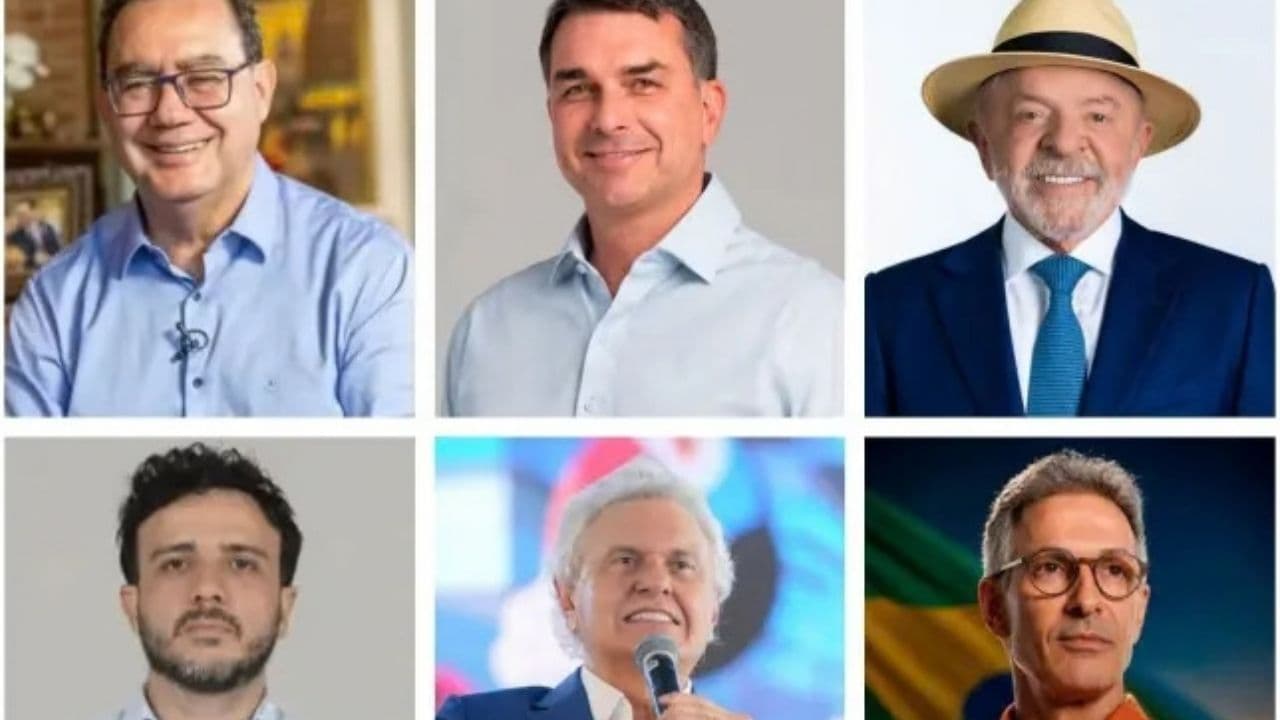
A little more than 7% may seem little in a presidential election. But in this case, you can explain much of what happened in the first round. That was the sum of the percentage of alternative applications to Flávio Bolsonaro and Lula, which ended up getting in the way. More than representing a scattered electorate, these votes help to reveal the strength of a movement that usually appears with intensity in the last weeks of an election: the useful vote.
As the vote approached, part of the electorate necessarily failed to choose the candidate of their preference to bet on the one they considered to have real conditions to reach the second round. The calculation was simple. Rather than insisting on an alternative candidacy, the voter preferred to choose one of the two favorites. It does not necessarily mean a change of political conviction. Often it is just a change of strategy.
Without this migration, the result could have been different. Perhaps the election had not been defined in the first round, perhaps the two leaders did not even reach the second stage with the same advantage. The fact is that the proximity of the decision pushed part of the electorate towards the candidates with greater competitiveness and consolidated the polarization between Flavio and Lula.
Research has already indicated this movement. And some applications felt the effect in a harder way. Augusto Cury is probably the most obvious case. It came to register about 7% in election surveys, but ended the first round with 2.89%. The difference shows how a candidacy can lose space precisely when the election enters its decisive phase. Your electorate may not have failed to agree with your proposals. He only understood that, at that time, voting on a third option could mean wasting the vote.
For Lula, the useful vote may have produced some benefit, but it also exposes a problem for the second round. The number of votes available among the candidates that remained on the path seems limited to alone, provoking a turn against Flavio. The president will therefore have to seek growth in another field. And the main target is the independent voter, especially the one who voted for Bolsonaro in the first round and who does not show, so far, a clear willingness to migrate to Lula.
It is the voter who can decide the election. Flavio arrives in the second round with the advantage of having won the first stage and can politically exploit this result. It will have in its favor the narrative of those who left in front and now just need to manage the advantage. But that's a dangerous reading. Winning the first round does not necessarily mean holding the vote. The second round requires a new mobilization, new support and, above all, the ability to convince voters who were not on the side of the candidate in the first vote.
Lula, on the other hand, will have a more difficult task. It needs to turn the disadvantage into a possibility of turning and, for this, it will have to seek votes beyond those that were already in the field of defeated candidacies. It is not enough to wait for a new migration provoked by the useful vote. It will be necessary to produce a change of disposition in the electorate.
The first round, therefore, resolved only who would continue in the dispute. The presidential election is not yet decided. Flavio has the political advantage of the one who won the first battle, but Lula still has the opportunity to turn the second stage into a new dispute. The challenge of one is to preserve. The other is conquering.
And perhaps that is the main difference between the two rounds: in the first, the voter chose who he wanted to see in the contest. Now you have to decide who you want to see in the Palace of the Plateau. The advantage built in the first stage may be important, but it does not vote alone. In the second round, the winner is the one who manages to turn the advantage into a majority. This is where the real election begins.
Also Read: How Much Is a Vote in the PR? Millions move the race for Iguazu? by Gleidson Carlos