Wooden spoon in the pot prevents overflow?
Putting a wooden spoon over the pot is a popular trick to prevent liquids from spilling during cooking. The wood helps destabilize bubbles and cool the foam, but the method has limitations and does not replace basic precautions.

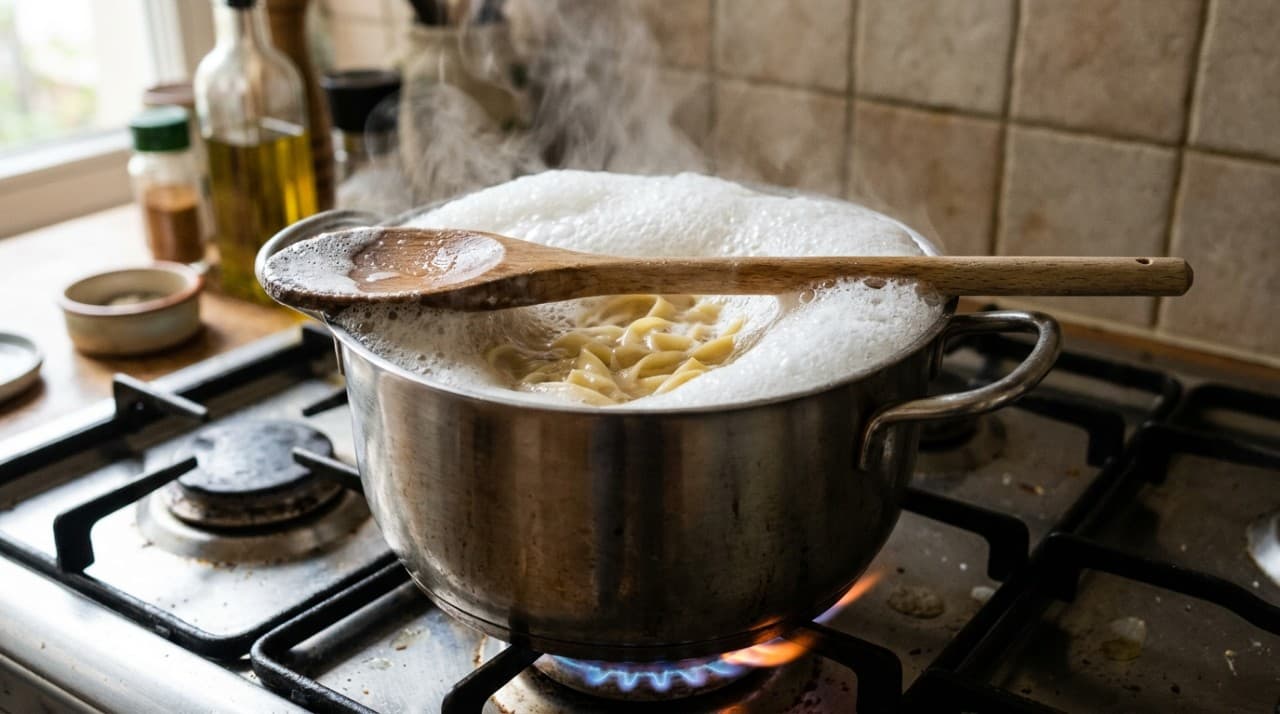
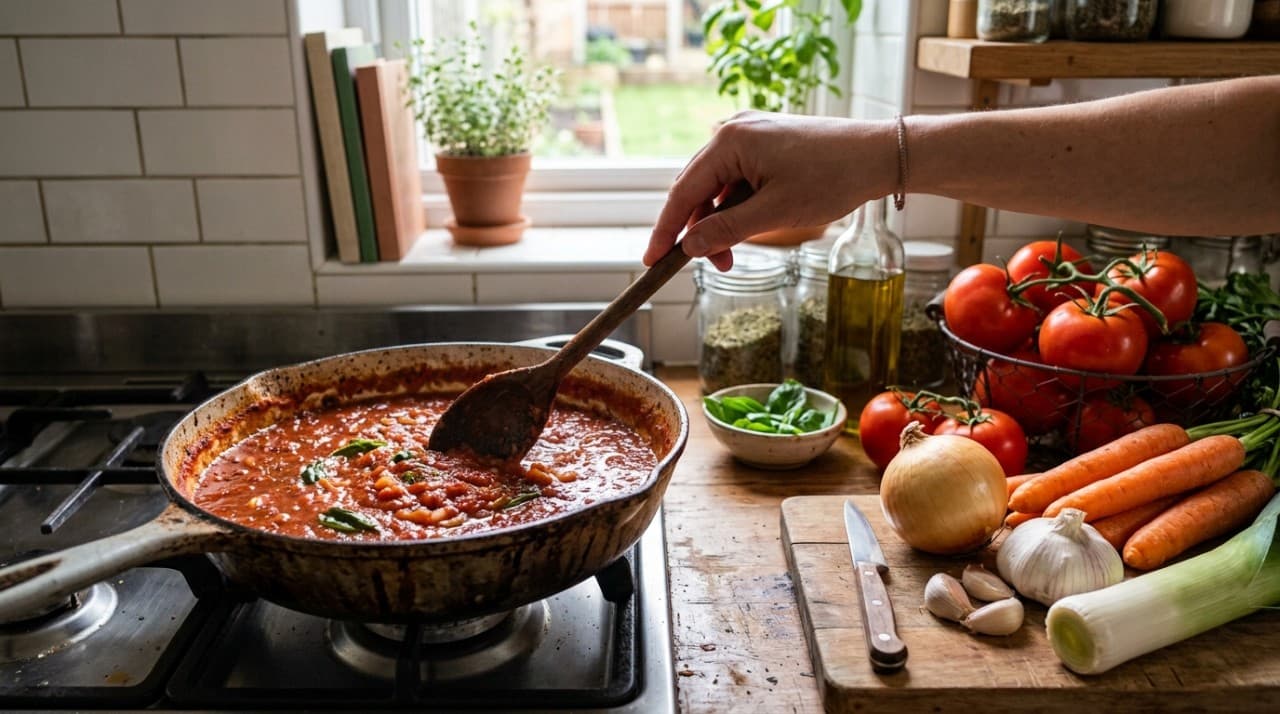
Those who cook pasta, rice or beans may have heard the tip: put a wooden spoon on the pan to prevent the water from overflowing. The trick, which is spread on cooking sites and social networks, promises to contain the foam that rises quickly when the liquid boils. But does it work? Experts explain the mechanism and care needed.
How the wooden spoon ages
As the bubbles build up on top of each other, a layer of foam can rise quickly. The higher the fire and the smaller the free space inside the pan, the greater the chance of the liquid overtaking the edge. The wooden spoon, resting horizontally on the container, interferes with this process.
The wood is porous, which helps to destabilize the thin film around the bubbles. Therefore, a wooden spoon usually works better on this trick than a metal spoon, which heats up much faster. The contact with the cold, uneven surface of the wood breaks the bubbles before they accumulate and overflow.
Step by step to apply the trick
To use the technique, you have to follow some guidelines. Use a spoon that is clean, dry and long enough to lean on both edges of the pot. Place it horizontally over the center before the foam begins to grow. That way, she will be positioned to act at the right time.
In addition, it is important not to fill the pot until too close to the edge and reduce the fire after the boiling begins. It is also recommended to keep the spoon ends away from the gas stove flame, to avoid burns or damage to the utensils.
Limitations and when not to use
The effect of the wooden spoon on the pot does not last forever. As it warms up, it absorbs moisture and becomes covered in starch or protein, it loses some of the ability to cool and break the foam. If the boil continues to be too intense, the liquid may overflow anyway.
It is also not recommended to support a top above the spoon. In addition to the steam escaping irregularly, the assembly can become unstable. The trick tends to be most useful in foods that produce a relatively light foam, such as pasta, rice, potatoes, lentils, and beans. It can also slow the overflow of milk, although in this case the foam can rise so quickly that the spoon is not enough.
Dense preparations require other care
Very dense preparations, such as porridge or soft polenta, behave differently. The bubbles become stuck in a thicker mass and can burst suddenly, splashing. In these cases, stirring and controlling the temperature is more important than leaving a spoon on the pot.
So the trick works best as an extra help. A larger pan, free space above the liquid and moderate fire remain the most reliable measures to avoid dirt in the stove. The spoon can save a few minutes, but it does not replace accompanying the cooking.
For those who seek practicality in the kitchen, the method can be an ally, provided it is used carefully. The Boca no Trombone Portal will continue to bring useful tips and information for the daily readers of Ponta Grossa and region.
Font
catracalivre.com
noodles (en.wikipedia.org)