Brazil denies failures in the fight against organized crime
The Ministry of Justice and Public Security refuted allegations of failures in combating organized crime after criticism in a U.S. report. The ministry cited the Antifacção Law, sanctioned in March 2026, and the Brazil Against Organized Crime Program, launched in May of the same year, as proof of national commitment.

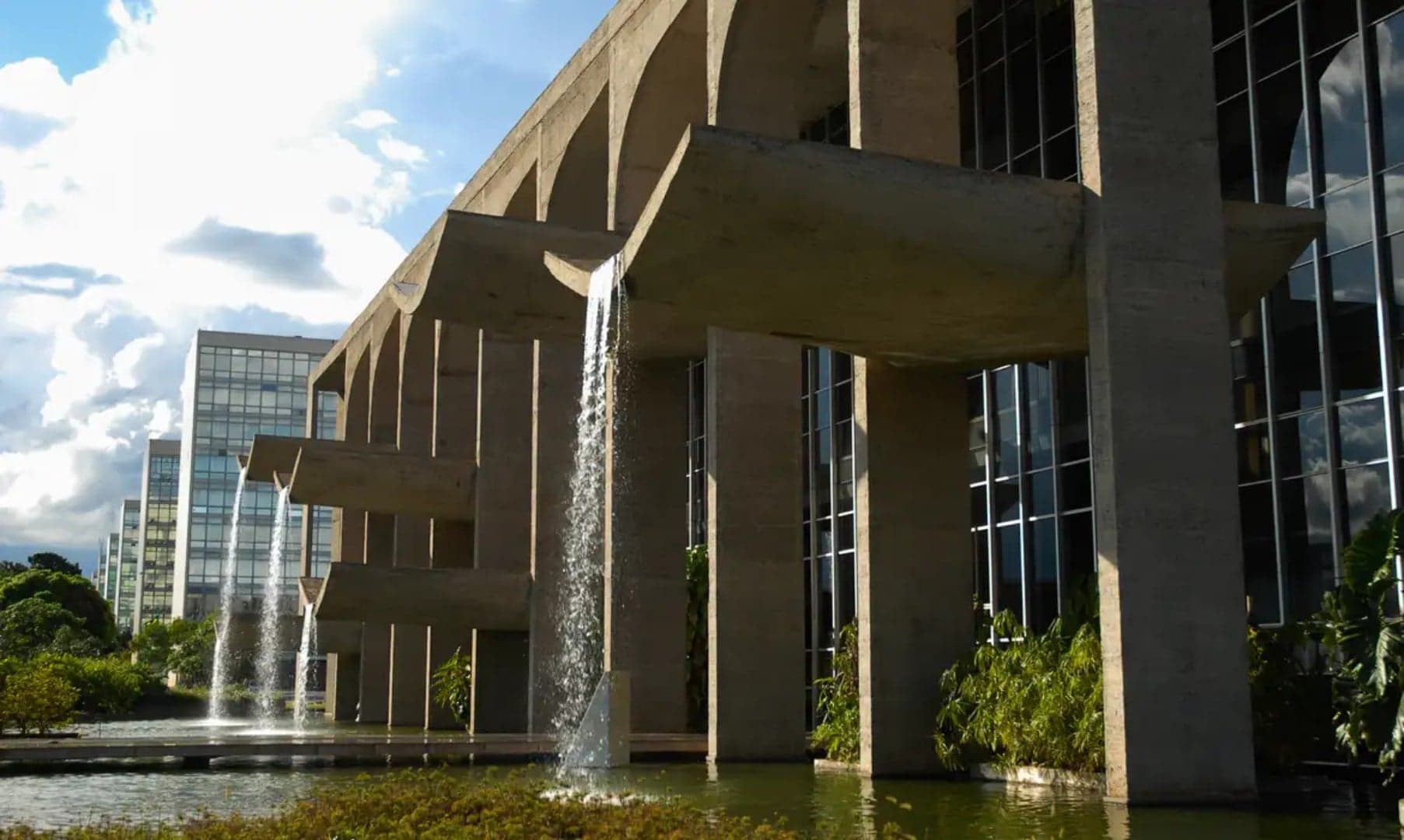
The Brazilian government responded on Wednesday (16) to the criticism contained in a government report of the Estados Unidos on the fight against drug trafficking. In an official note, the Ministry of Justice and Public Security denied any failure or omission in confronting transnational organized crime and reaffirmed the sovereignty of the country in the conduct of security policies.
The U.S. demonstration, sent to the U.S. Congress on September 15, did not include Brazil on the list of the 23 largest drug producers and transit countries. However, the document brought side observations about the Brazilian performance, which motivated the reaction of the federal government.
The government rejects criticism and defends sovereignty
“The Brazilian government will continue to act in a sovereign and coordinated manner in the confrontation with organizações criminosas, as demonstrated by the results obtained in recent years,” the portfolio said in a statement. The statement also said the US demonstration “would disregard the robust cooperation already existing in the fight against transnational organized crime.”
According to the ministry, public security actions are conducted on a permanent basis, based on intelligence, research, integration between forces and international cooperation. The note highlights that the fight against organized crime is a priority of the federal government, with no room for allegations of omission.
https://www.youtube.com/watch?v=0TbwtmxAaMs
Video: YouTube | Source: www.poder360.com.br
Antifaction Law is cited as a legal framework
Among the recent initiatives listed by the government is the Antifaction Law, sanctioned in March 2026. The standard establishes tougher penalties for leaders of criminal factions and creates mechanisms to stifle their financial and logistical operations.
The legislation is pointed out as one of the pillars of the Brazilian response to organized crime, alongside actions of economic weakening of the gangs. The source did not detail the quantitative impact of the law, but highlighted its strategic importance in the legal framework.
National program extends front of action
Another highlight of the note is the Brazil Program against Organized Crime, launched in May 2026. The initiative works on four axes: economic weakening of the factions, strengthening of the prison system, qualification of homicide investigations and combating arms trafficking.
The program reflects the integrated approach of the government, which combines skilled repression and structural measures. The folder mentions “tens of thousands” of operations conducted by federal forces, with “billions of dollars in harm to criminals,” as evidence of the results achieved.
International cooperation is reaffirmed
The note of the Ministry of Justice reinforces that international and legal cooperation remains a pillar of the Brazilian strategy. The government claims that actions are permanent and do not depend on external pressures, but rather on sovereign planning.
“The Ministry of Justice and Public Security reaffirms that the fight against organized crime is a priority of the federal government and has been conducted permanently through intelligence, investigation, integration between security forces and international and legal cooperation,” the text says.
Context and next steps
The exchange of statements comes at a time of global attention to drug trafficking and transnational crime. Brazil, which is not on the US main list, seeks to consolidate its position as an active partner in the fight against organizações criminosas.
The government has not indicated whether there will be further measures or bilateral dialogues after the US demonstration. The source did not detail the exact terms of the side criticisms, but assured that the country maintains its trajectory of institutional and operational strengthening.
For the reader, the episode highlights the complexity of international relations in the area of security and Brazil’s willingness to defend its public policies based on recent data and legal frameworks.
📄 Related Documents
📎 in full (note-government-USA-PCC-CV-16set2026.pdf)
Read Also
Lula government denies failures in the fight against CV and PCC
Moro celebrates 203 years of Ponta Grossa with promises and attacks on the Lula government
Prefeita Elizabeth opens the memory chest in the 203 Years of Ponta Grossa
Font
www.power360.com
Prioritize Power in Google (www.google.com)
Ministry of Justice and Public Security (www.gov.br)
in full (static.poder360.com.br)
Luiz Inácio Lula da Silva (drive.poder360.com)
Antifaction Law (www.planalto.gov.br)