Crise at STF dominates campaign and empties debate on proposals
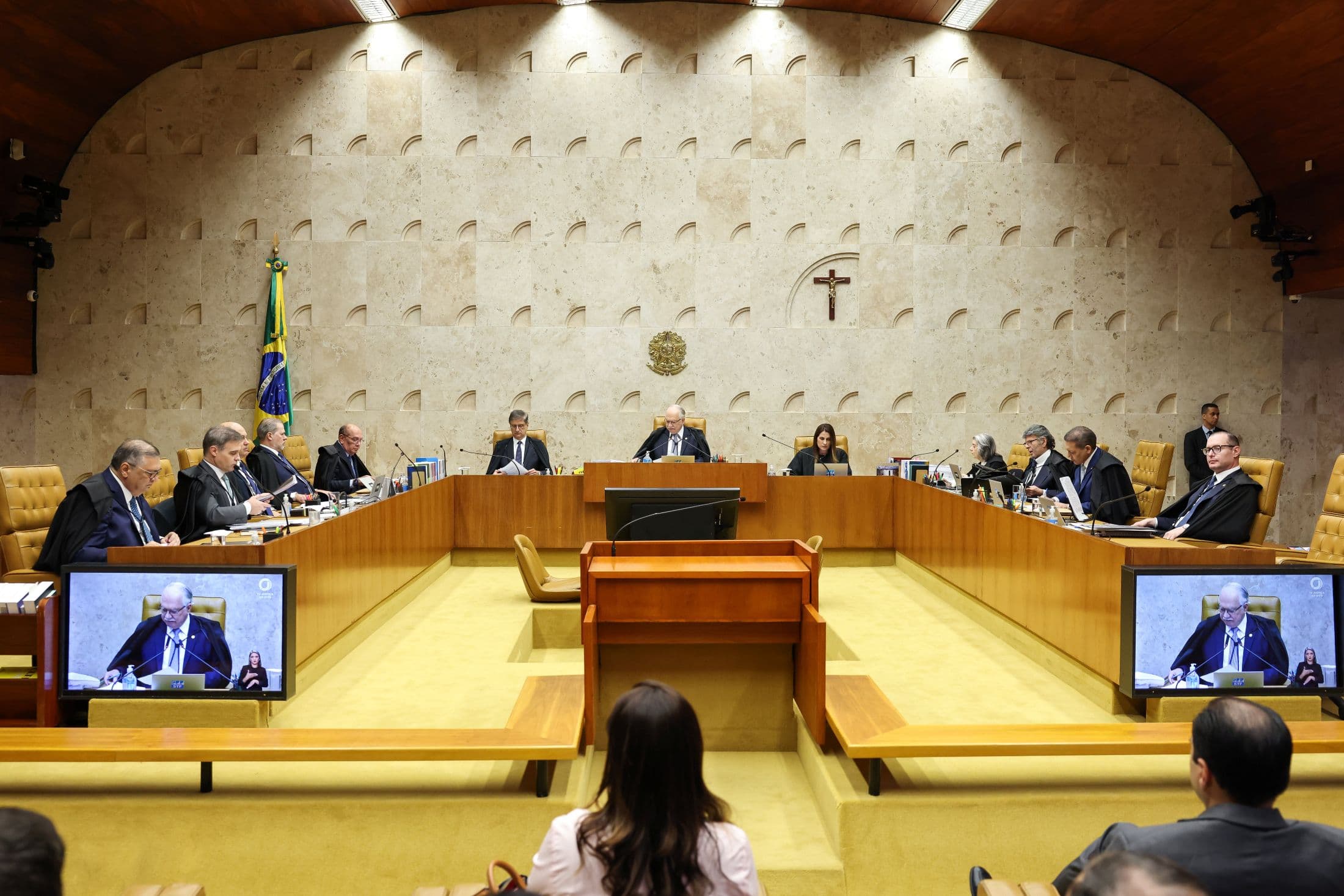
The crisis at the Supreme Federal Court took center stage in the electoral campaign and emptied the space for discussion of proposals. Without a resolution, the wear and tear on the court continues and interferes with the strategies of presidential candidates.

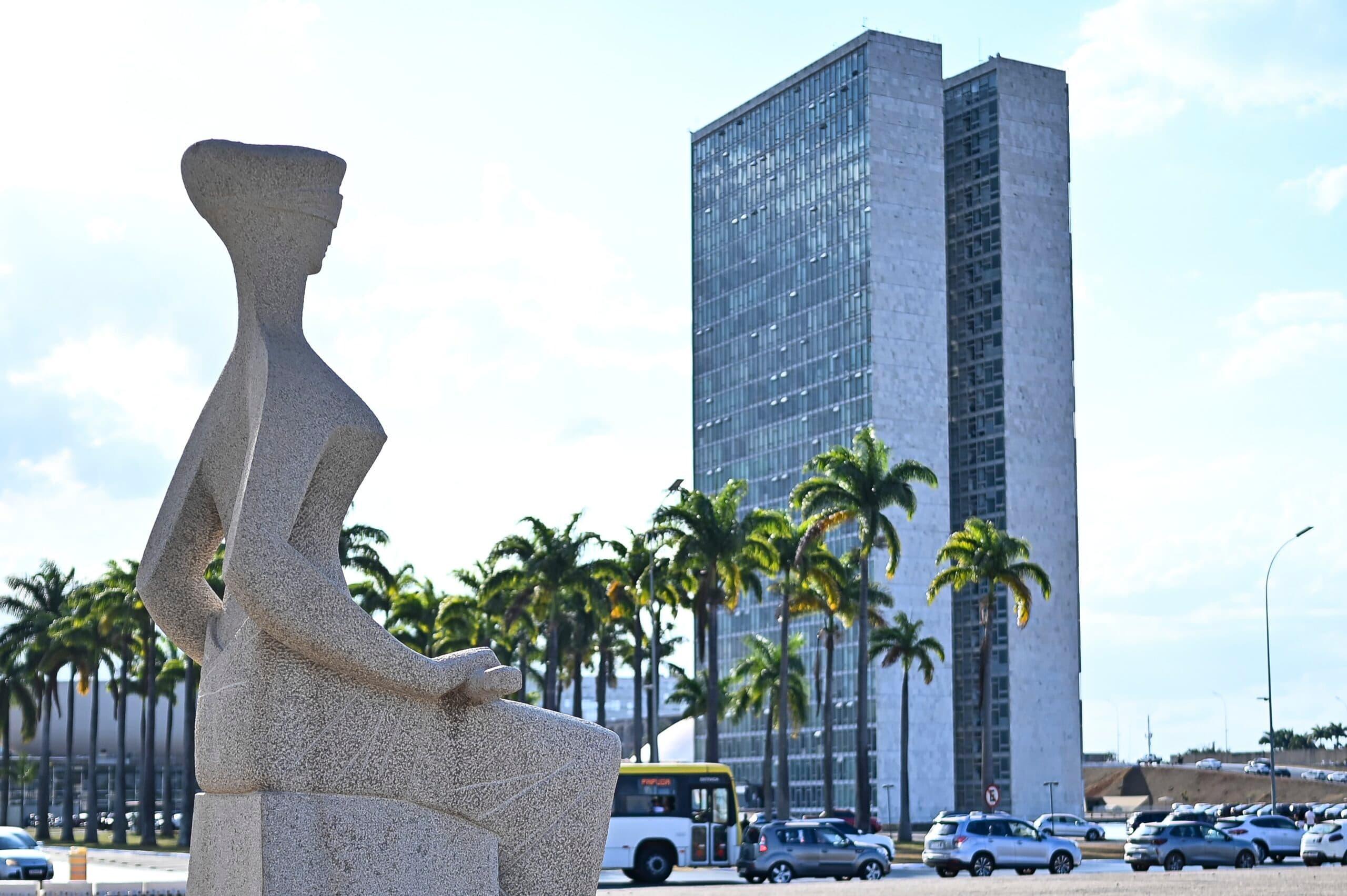
The crisis in the Supremo Tribunal Federal (STF) became the main theme of the electoral campaign, leaving in the background the debate on proposals for the country. Without a solution in sight, the wear of the Court drags on and directly influences the strategies of presidential candidates. The dispute, which should prioritize government plans, now revolves around investigations, contracts and charges involving ministers and politicians.
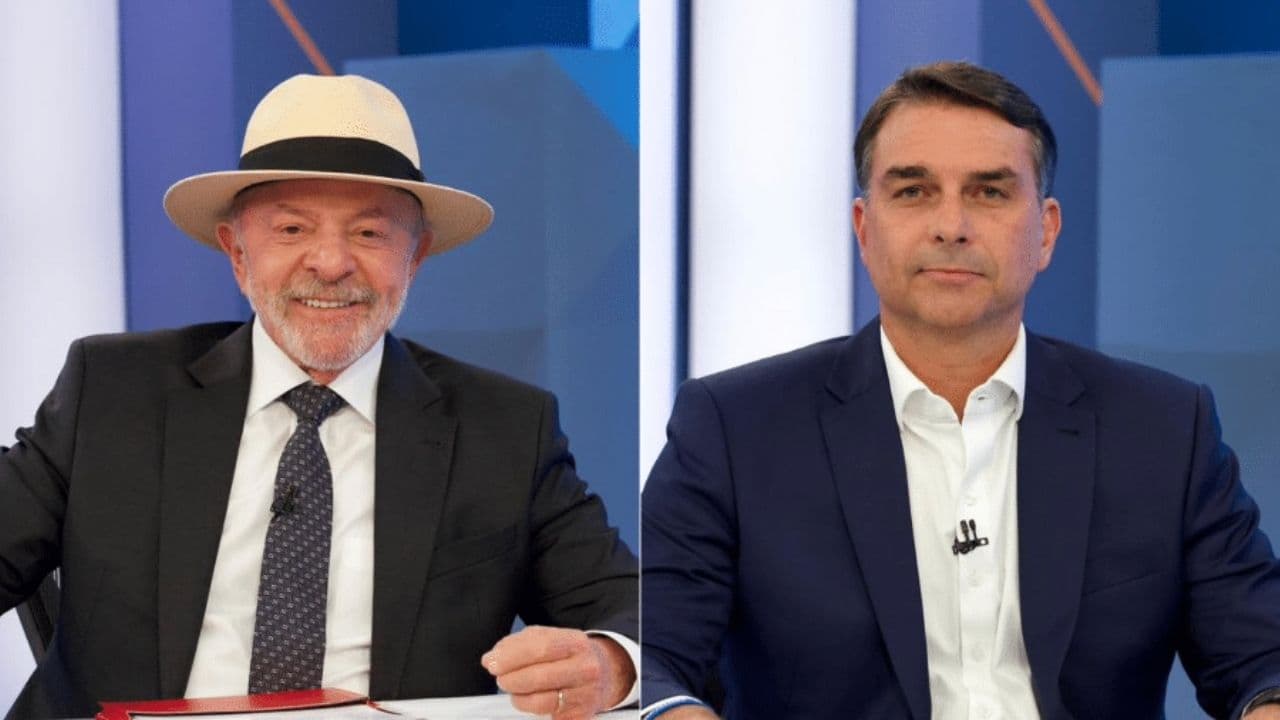
The impasse affects both President Lula’s campaign and that of Flávio Bolsonaro. As the petista tries to redirect the focus to national sovereignty, the adversary exploits the court’s wear and tear to gain electoral advantage. The source did not detail the impact on voting intentions, but the internal evaluation of the campaigns indicates that the theme dominates the discussions.
STF becomes the central stage of the dispute
The crisis in the Supremo Tribunal Federal took the center of the electoral campaign and emptied the space for the discussion of proposals. Without an outcome, the court's wear and tear prolongs and interferes with the strategies of presidential candidates. The scenario is described by interlocutors of the two campaigns as a factor that diverts attention from topics such as economy, health and education.
In President Lula’s own campaign, the assessment is that Flávio Bolsonaro manages to politically exploit this scenario and obtain electoral dividends as long as the Supreme Court remains the focus of the dispute. The reading is that the adversary benefits from the climate of institutional instability to criticize the judiciary and associate Lula with the most questioned ministers.
This perception has generated internal debates about how to react. One ward advocates that the president distance himself from the crisis and covers investigations more incisively. The source did not detail what concrete measures were discussed.
Lula seeks to stay away from wear and tear
The concern helps to explain the emphatic defense, made by a wing of the campaign, that Lula moves away from the crisis. For this group, the president needs to go beyond the statements that everyone should be investigated and charge the count more forcefully. The idea is to prevent the image of the petista from being glued to that of the court.
Although several ministers are cited and have explanations to give, the assessment is that the wear is very concentrated in the figure of Alexandre de Moraes. The minister is pointed out as the main target of criticism from the opposition and, consequently, the most fragile link in the defense strategy of the government. The source did not detail which Moraes’ contracts or relationships are under question.
At the same time, the campaign tries to resume the narrative of national sovereignty as a central theme. The crisis, however, crosses this strategy and makes it difficult for the government to communicate.
Sovereignty is Lula's bet
The crisis also crosses a strategy that the Lula campaign had been trying to consolidate: to make sovereignty the central subject of the election. The president's trip to the UN General Assembly in New York was already on the agenda, but the campaign seeks to turn the event into an electoral asset. The speech and the international exhibition are seen as opportunities to reinforce Lula’s image as a statesman.
The material produced during the trip can fuel the campaign and highlight this message. On his return to Brazil, however, the president is again confronted with a crisis in the Supreme Court that remains unresolved and occupies the political debate. The expectation is that the topic will dominate the headlines and social networks again.
The source did not detail the contents of Lula’s speech at the UN nor how the campaign intends to use the images of the trip. The strategy, however, faces the challenge of competing with the coverage of the institutional crisis.
Flávio Bolsonaro bet on wear
On the other hand, Flávio Bolsonaro tries to keep court wear and tear at the center of the campaign. The strategy seeks to reach ministers seen as closer to Lula, including Moraes. The goal is to associate the petista with the crisis and undermine his credibility as a candidate.
This is despite the fact that Flavio himself has not yet clarified the request for money made to Daniel Vorcaro for what would be the production of a film about the father, Jair Bolsonaro. Moraes also has explanations to give about contracts and relationships with Vorcaro. The source did not detail the values involved or the exact nature of the contracts.
The permanence of these questions without clarification feeds the electoral dispute. For Lula’s campaign, the risk is that the adversary will continue to capitalize on the Supreme Court’s attrition while the president finds it difficult to impose the issues he would like to discuss. The source did not detail whether there are foreseen clarifications by Flávio or Moraes.
Proposals are in the background
The postponement of a solution to the crisis, therefore, is not restricted to the court: it has an impact on the election and keeps the proposals for the country in the background. As the STF continues to be in the news, topics such as job creation, public security and social policies will have less space in the public debate.
For voters, the scenario is one of uncertainty. The lack of clarity about the investigations and the mutual accusations makes it difficult to objectively evaluate the candidates. The source did not detail whether there is an expectation of resolution of the crisis before the first round.
The institutional impasse, added to the electoral dispute, creates an environment of instability that can affect confidence in democracy. The continuity of journalistic coverage will be essential to clarify the facts and allow the voter to make an informed choice.
The Boca no Trombone Portal continues to monitor the unfolding of the crisis in STF and its impacts on the electoral campaign. Follow our next reports for more information.
Read Also
Lula and Flávio Bolsonaro tie and have rejection above 50%, Quaest points out
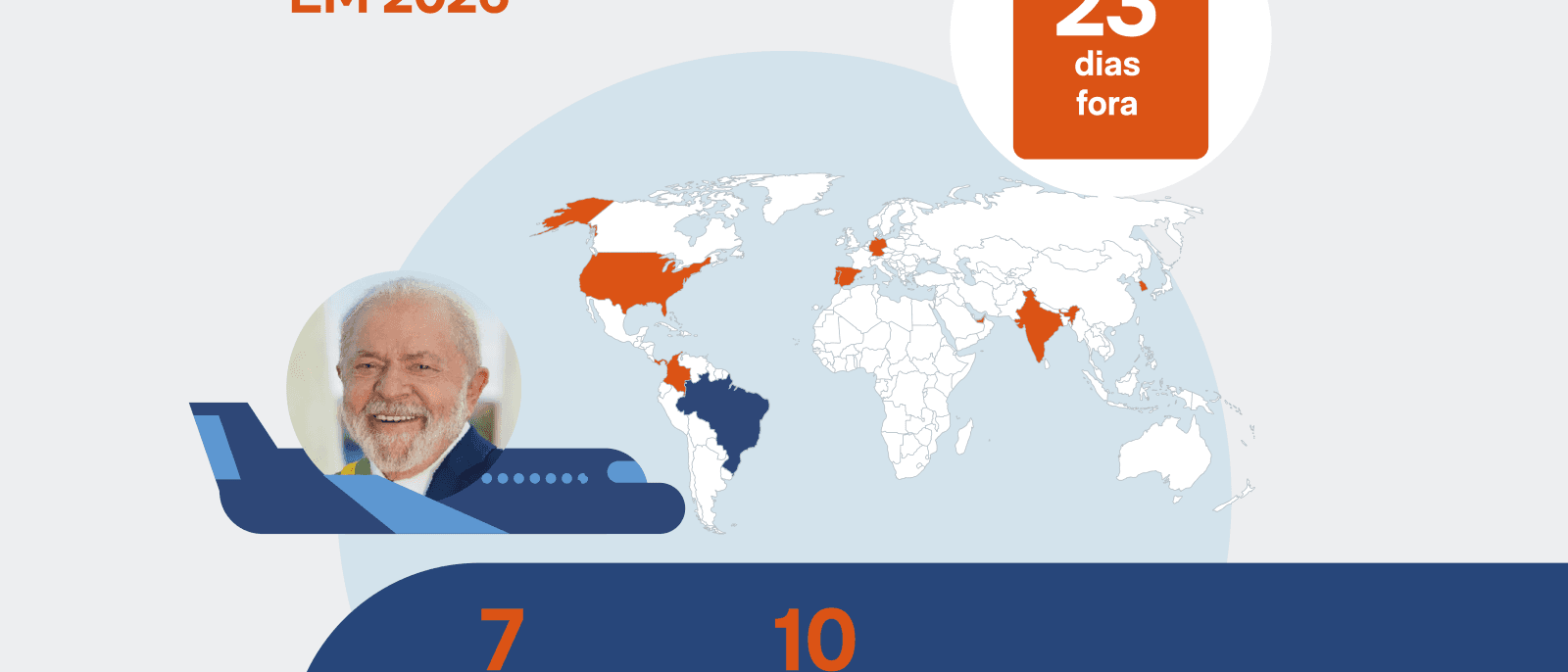
Lula adds 23 days outside Brazil in 7 trips in 2026
‘Xô, foreigners’: Mayor of Imbaú sends message to candidates in election video
Font
g1.globo.com