Fishing Restriction Begins This Sunday in Paraná
Defeso Continues Until February 28, 2027, and Sets Rules for Fishing Activities During the Reproduction Cycle

The Piracema defense period begins this Sunday (1st) at Paraná, and continues until February 28, 2027. The measure restricts the fishing of native species during the natural breeding phase of fish in the river basin Paraná, including Rio Iguaçu and its extension.
The action is regulated by the IAT Ordinance no 377/2022, of the Instituto Agua e Terra (IAT), and by the Normative Instruction no 25/2009 of the Brazilian Institute of Meio Ambiente and the Recursos Naturais Renewables (Ibama), and also covers transport and marketing.
For trade in native fish with fishing origin, the declaration of stock is mandatory. The deadline for the demonstration ends on Wednesday (4). They must declare all fish in natura, cold or frozen, coming from continental waters, professional fishermen, colonies and fishing associations, as well as refrigerators, fish shops, warehouses, supermarkets, hotels, restaurants, bars and similar establishments.
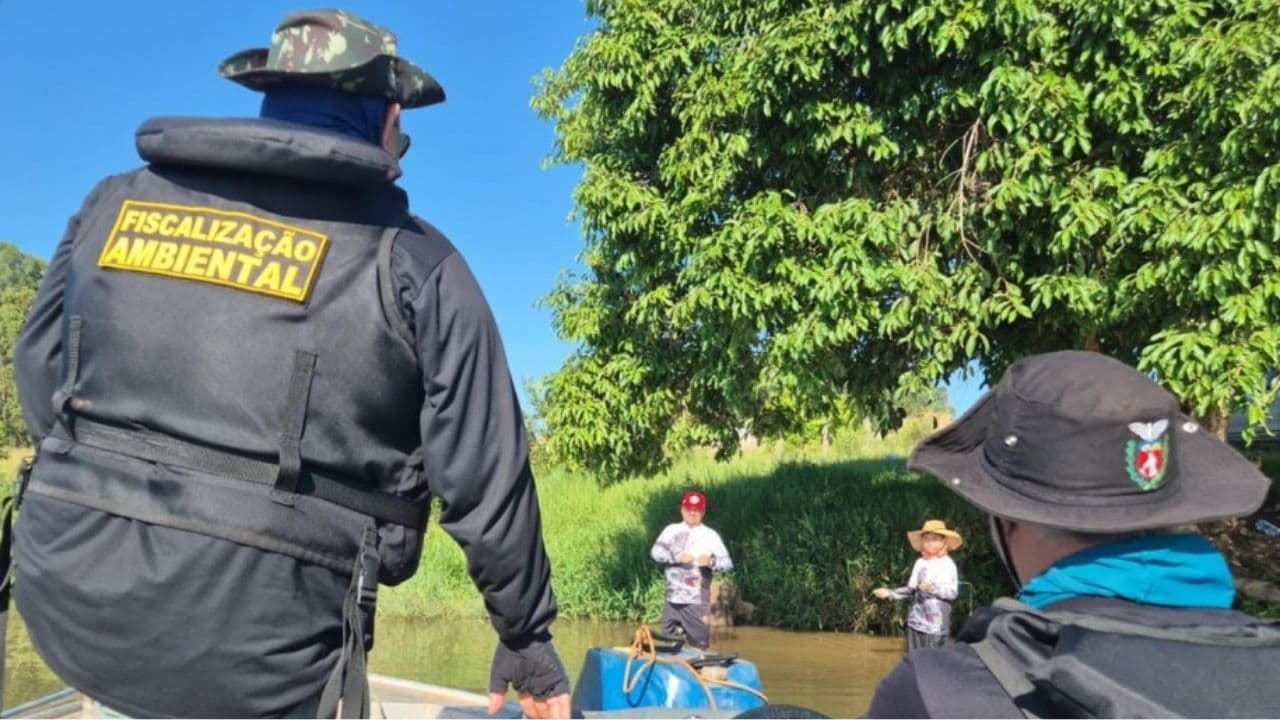
The procedure must be registered exclusively online by the e-Protocol PR portal. The inspection will be carried out by the IAT, with the support of the Environmental Military Police Battalion (BPMA).
Fishing in breach of environmental standards is subject to the penalties provided for in the legislation, including fines and seizure of fish, equipment and vessels, as the infringement is found. The amounts of penalties vary according to the legal framework and the circumstances of the occurrence.
In the previous season, between November 2025 and February 2026, the Institute’s operations reached 41 municipalities in six task forces. The balance recorded 222 kilos of fish seized, 20 Cars of Environmental Infringement and R$ 169,262 in fines. The teams also boarded 554 vessels.
Reproduction of fish
Piracema is a decisive phase for the maintenance of fish populations. During this period, native species make displacements associated with reproduction and are more vulnerable to capture. The restrictions seek to promote natural reproduction, contribute to the renewal of fish stocks and conserve aquatic environments.
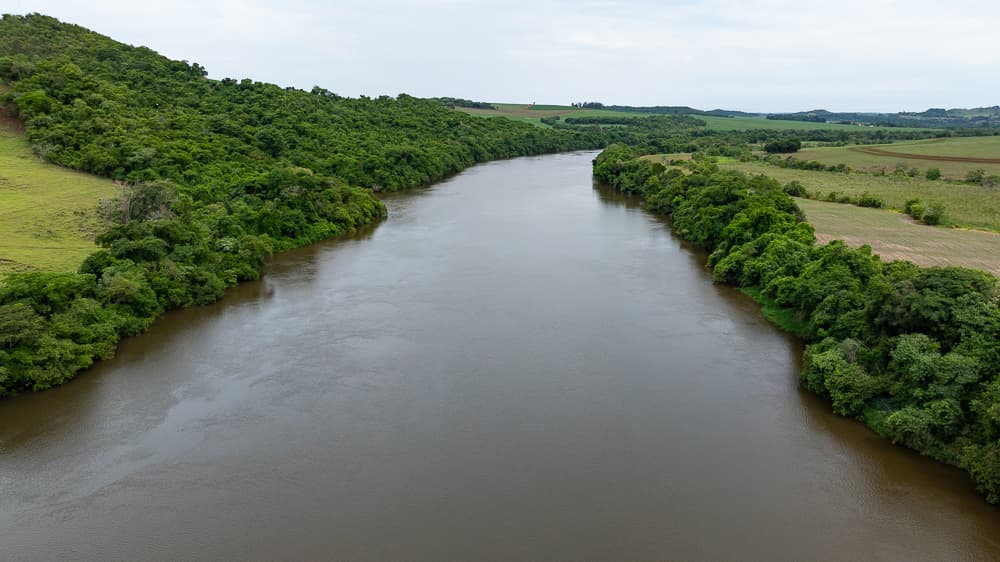
The standards cover the river basin Paraná, including the main river, formators, tributaries, lakes, marginal lagoons, reservoirs and other collections of water related to the contribution basin. The regulations also apply to the Rio Iguaçu Basin, as an integral part of the Paraná River system, and strictly follow the same rules and restrictions.
Among the native species protected during the period are catfish, golden, jar, painted, lambari, mandi-yellow, mandi-silver and piracanjuva. This also applies to the piauçu (Leporinus macrocephalus), which, despite being considered exotic, is preserved by being found in local basins.
Exotic fish, which were introduced into meio ambiente by man, such as African catfish, black bass, carp, corvina, kingfish, freshwater sardines, black piranha, tilapia, tucunaré and zoiudo, as well as hybrid species, which are two organisms resulting from the cross.
According to IAT’s Monitoring and Supervision Manager, Álvaro César de Goes, compliance with the rules during the Piracema is fundamental for the protection of native species and the conservation of fishing resources.
“During the period of defence, it is essential to respect fishing restrictions to ensure the natural reproduction of fish and contribute to the conservation of native species. Supervision acts to ensure compliance with environmental legislation and protect recursos naturais,” he says.
Complaints
The population can collaborate with the protection of rivers and native species through reports of irregular fishing. The information can be forwarded, anonymously, by phone 181.
With AEN information
Read also: