Gaeco reveals bribery scheme in highways and cites R$5,000 to fraudulently bypass breathalyzer
In an exclusive interview with BnT Online, the prosecutor detailed cash payments, Pix for orange and fuel accounts, and the release of trucks in exchange; operation targeted Ponta Grossa

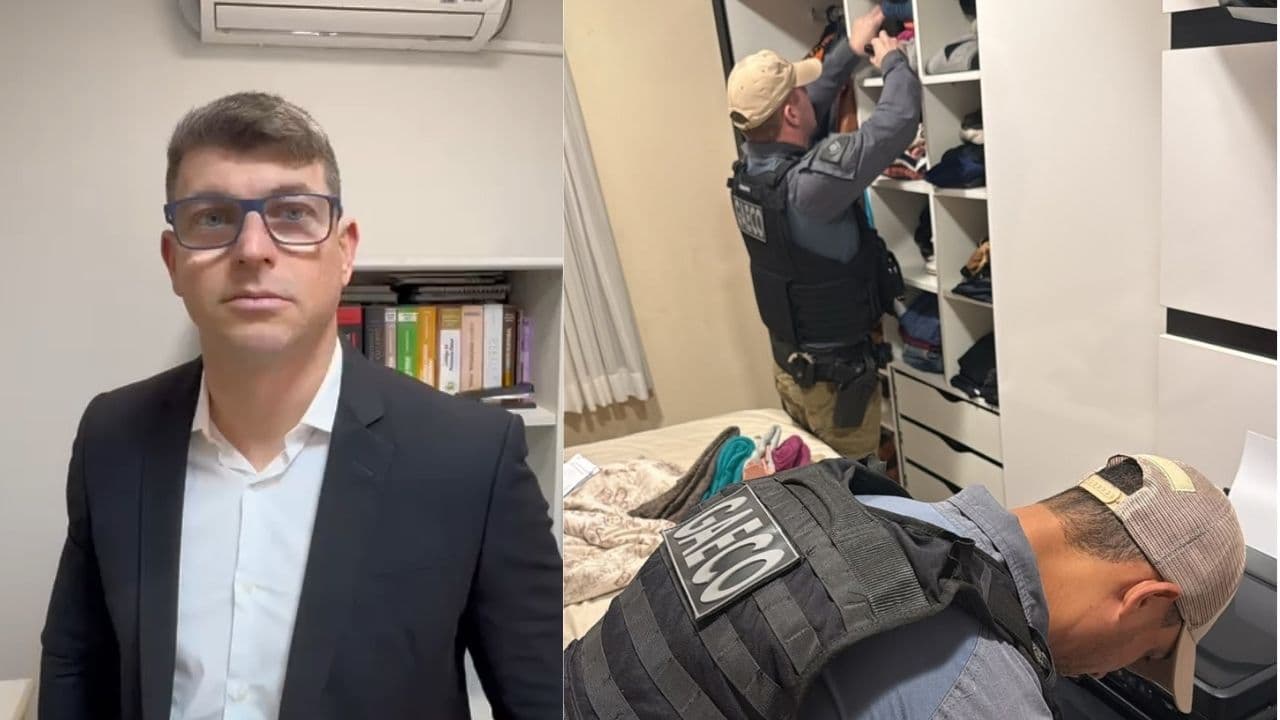
Gaeco’s operation in Ponta Grossa and other municipalities of Paraná revealed new details of an alleged systematic bribe collection scheme involving military police officers, mainly agents linked to the State Road Police. In an exclusive interview with BnT Online, the prosecutor Pedro Henrique Brazão Papaiz, of Gaeco de Guarapuava, said that the investigators received cash, transfers via Pix to third-party accounts and even fuel paid for by companies.
Gaeco targets bribery scheme on highways; operation has targets in PG and drives away 15 PMs
The third phase of Operation Route 466 was launched on Thursday and carried out 19 search and seizure warrants. Fifteen of them were targeted by military police. According to the prosecutor, part of the officers investigated were working in the Road Police, among them the Telêmaco Borba.
“These police officers were systematically receiving and collecting bribes because of the exercise of their functions,” Papaiz told BnT.
Money, Pix and fuel
According to the representative of Gaeco, the investigation identified different ways of paying for the alleged undue advantages. The officers would receive amounts in cash, transfers via Pix made to “orange” accounts and also fuel. In one of the formats investigated, entrepreneurs allowed private vehicles of police officers to be fueled in the companies' account.
In contrast, according to Gaeco, trucks of the carriers involved would no longer be monitored when passing by road stations. “The entrepreneurs supplied the police vehicles for the companies’ account. In contrast, the police stopped monitoring the trucks of these carriers,” explained the prosecutor.
Gaeco cites fraud in breathalyzer for R $ 5,000
During the interview, Papaiz revealed one of the most serious cases identified during the counts. According to him, in a certain occurrence, police would have allowed another person to perform the breathalyzer test in place of the driver involved in an accident.
The agreement, according to the investigation, would have occurred in exchange for R $ 5,000. The prosecutor stated that the method of action was repeated in different situations.
According to Gaeco, when the police found an administrative traffic offence or a situation that could result in flagrante, such as drunkenness at the wheel, they would stop applying the penalty or conduct the criminal procedure by paying bribes.
Accident reports were also changed.
Another practice investigated involves changes in the so-called Unified Electronic Transit Accident (UCT) Reports. According to Papaiz, police officers would have received money to modify the classification of the damage suffered by vehicles.
In cases where the damage would be considered medium or large, the record would have been changed to small, avoiding more severe administrative consequences to the owner. For the prosecutor, there was a kind of “mercantilization” of public functions.
According to him, different tasks of the police were eventually used to obtain financial advantages.
Conduct would have been repeated systematically
Asked by BnT Online about the possibility that the episodes are isolated cases, the promoter ruled out this hypothesis within the investigated set. “It’s a modus operandi that repeats itself,” he said. According to Papaiz, the use of third-party accounts for receipt of values, the tampering of accident records and the negotiation to stop applying fines or conduct flagrant actions have appeared repeatedly throughout the three phases of the investigation.
“Unfortunately, we see criminal conduct, a deviation from the standard of what would be the correct performance of the policeman, repeating itself in a systematic way,” he said.
The operation began after complaints from the population.
The prosecutor also explained to BnT how the investigation was initiated. According to him, Operation Route 466 had a strong participation of complaints made by the population itself. People searched for Gaeco reporting alleged bribery charges at road stations, including those in Pitanga and Palmeirinha, along PR-466.
The highway eventually gave its name to the operation. Papaiz also clarified that videos that circulated showing a trucker being charged via Pix belong to Operation Via Pix, conducted by the Gaeco of Ponta Grossa, and not to Route 466. However, the two investigations have three targets in common.
Ponta Grossa had operation target
The prosecutor confirmed during the interview that Ponta Grossa was targeted in this third phase of the investigation. However, when asked specifically what was seized or who was the target in the city, he said he did not have at that time the individualized details of each warrant fulfillment.
In addition to Ponta Grossa, the operation had developments in different municipalities in Paraná. As officially disclosed by the Public Prosecutor’s Office, warrants were carried out in Guarapuava, Ponta Grossa, Telêmaco Borba, Pitanga, Bituruna, Castro, Palmeira and Wenceslau Braz.
30 police officers investigated on Route 466
Added to the three phases of Operation Route 466, the investigation has already reached 30 military police officers. Most of the investigators are connected to the State Road Police.
The action has the support of the Military Police Department and, according to the prosecutor, the Road Police Battalion also collaborates with the investigations. In addition to the criminal investigation conducted by Gaeco, disciplinary procedures are instituted within the corporation itself to ascertain the conduct of the police.
Via Pix and Route 466 add 50 police investigators
Operation Route 466 has three investigators in common with Operation Via Pix, conducted by Gaeco of Ponta Grossa. The two investigations, however, follow independently. Considering the two procedures, 50 military police officers have already been investigated, and 42 have been removed from office by judicial determination.
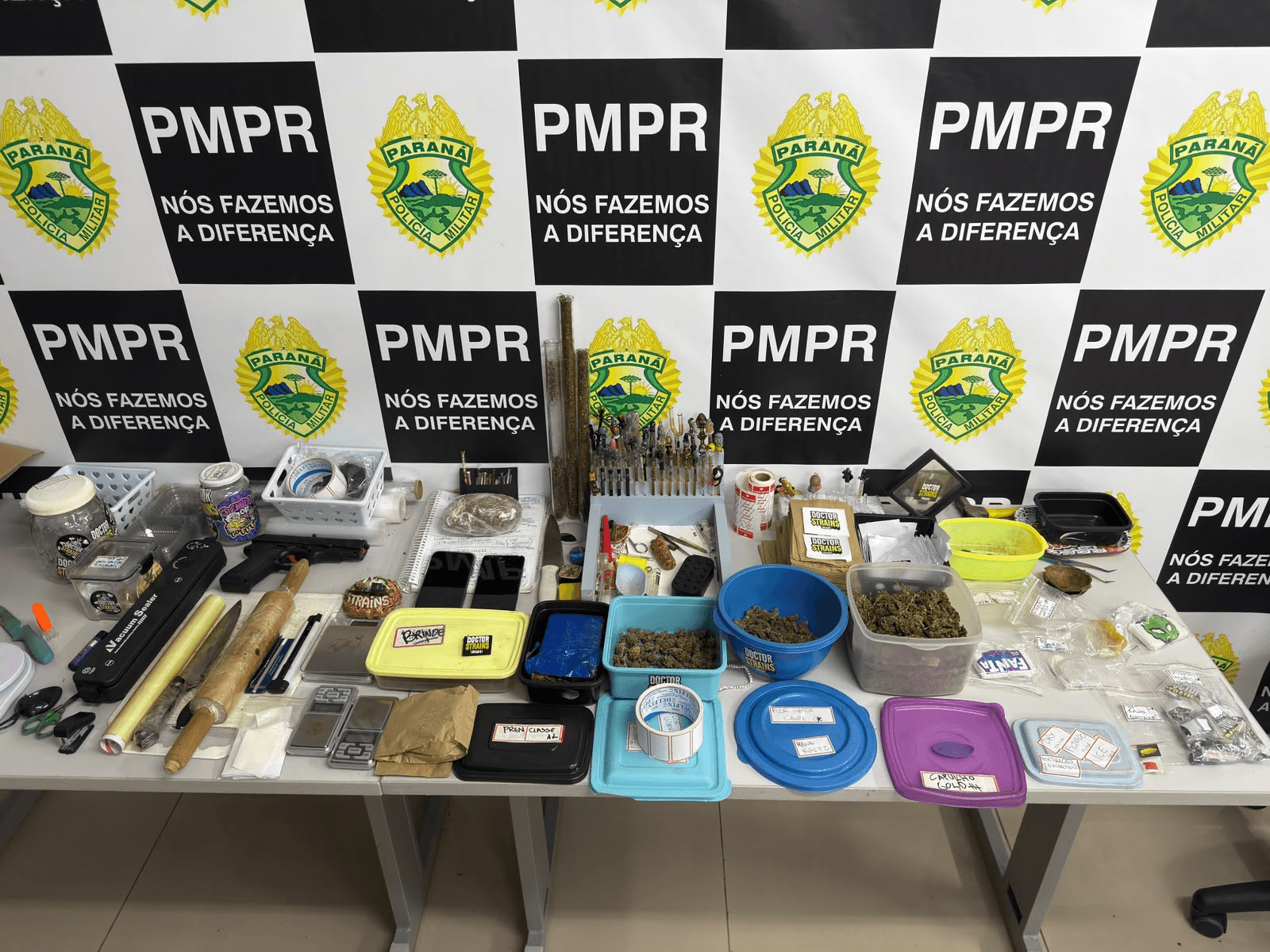
In this third phase of Route 466, 15 police officers have been removed from operational and ostensible activities and will be able to exercise only administrative functions. It was also determined the collection of the functional and private weapons of these agents. During the warrants, one person was arrested for irregular possession of a firearm. Cell phones, documents and electronic equipment were also seized and will be analyzed during the investigation.