Aliel Machado votes in favor of changes in Income Tax and the basic food basket
Aliel Machado supported the exemption of Income Tax up to R$ 5,000 and zero rate for basic food basket items. Understand what changes are coming.

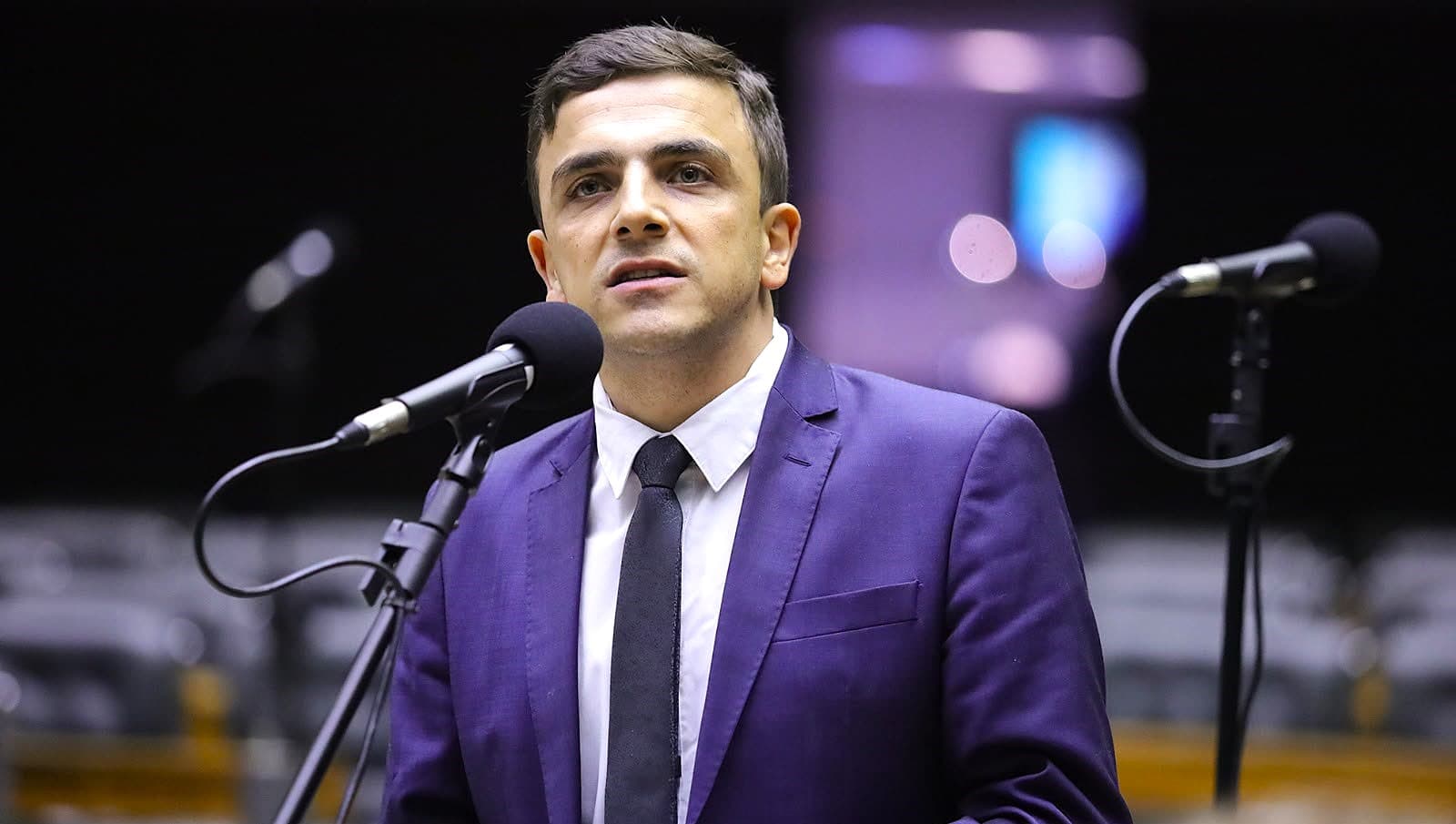
The federal deputy Aliel Machado (PV-PR), from Ponta Grossa, voted in favor of two changes in Brazilian tax legislation: the extension of the income tax exemption for those who receive up to R $ 5,000 per month and the definition of zero rate for essential foods from the basic basket. The measures are part of different legislations and aim to reduce taxation on certain income bands and food products.
The changes were approved by the Congresso Nacional in votes held in 2024 and 2025. The extended income tax exemption came into force in January 2026, while the new rules on taxation on consumption follow a gradual implementation schedule.
Aliel Machado voted in favor of the exemption of the Income Tax up to R$ 5 thousand
The extension of the income tax exemption was established by Law No. 15.270, sanctioned in November 2025, after the approval of Bill No. 1087/2025.
The legislation establishes reduction of the tax due for people with taxable monthly incomes of up to R$ 5,000, so that the amount to be paid is zero. For those who receive between R$ 5,000.01 and R$ 7,350 per month, the law provides for a partial reduction, which decreases progressively as the income increases.
The deputado Aliel Machado voted in favor of the text approved by the Chamber of Deputies on October 1, 2025. The proposal received 493 votes in favour in that vote.
For the parliamentary, the change in legislation represents a way to reduce the weight of taxes on the budget of workers.
“For a long time, those who live on work were the ones who felt the most the weight of taxes. With this change, those who receive up to R $ 5,000 will have an important relief in the budget. And we also approve a higher charge for the higher rents. It is a measure that seeks to correct an inequality and put more money in the hands of those who work,” says Aliel.
The legislation also instituted a minimum taxation for high-income individuals, as part of the measures related to the change of the rules of the Income Tax.
Reforma tributária sets zero tax for basic basket food
Another change that received the favourable vote of Aliel Machado was the regulation of reforma tributária on consumption.
During the vote of the Complementary Bill 68/2024, in July 2024, the Chamber of Deputies approved the inclusion of meat, cheese and salt among the products of the basic basket that will have zero tax rate on Goods and Services (IBS) and the Contribution on Goods and Services (CBS).
The official records of the House confirm Aliel’s vote in favor of the text of the regulation. The proposal gave rise to Complementary Law No. 214, of January 2025, which establishes the general rules for new taxes.
The National Basic Food Basket includes products such as rice, beans, milk, French bread, meat, eggs, coffee, wheat flour, sugar and certain types of cheeses, among other items specified in the legislation.
In Aliel’s assessment, reducing taxation on essential foods can contribute to the domestic budget.
“There is no public policy closer to the population than what comes to the table of families. When we reduce taxes on essential foods, we are talking about a change that can be perceived in the supermarket, at the fair and indoors. The worker needs to be able to put quality food on the table and take care of his family,” the deputy points out.
When will food have zero tax?
It is important to clarify that the definition of a zero rate does not mean the immediate withdrawal of all taxes currently levied on food.
The reforma tributária establishes the gradual replacement of taxes on consumption. CBS will have its implementation starting in 2027, while the transition from ICMS and ISS to IBS will take place between 2029 and 2032. The full implementation of the new system is planned for 2033.
The zero rate provided for in the legislation applies specifically to IBS and CBS incidents on the products defined in the National Basic Food Basket.
Therefore, the reduction of the tax burden does not represent a guarantee of an immediate decrease in prices in supermarkets and commercial establishments.
The final price of food also depends on factors such as production costs, transportation, distribution and market conditions.
Tax changes and the budget of Ponta Grossa families
The two measures have different effects on the income and consumption of the population.
In the case of the Income Tax, workers of Ponta Grossa and Campos Gerais who meet the conditions established by the new legislation can already benefit from the tax reduction due since January 2026.
The zero rate for the products of the basic basket, in turn, integrates the reform of the taxes on consumption and will be applied according to the implementation schedule of the new tax system.
Aliel Machado states that its parliamentary activity seeks to relate the decisions taken in Congresso Nacional to the needs of the population.
“Politics only makes sense when it changes people’s lives. This is what we have always sought in our mandate: to transform decisions taken in Brasilia into results that can be felt in real life. Whether it is putting more money in the pockets of those who work, reducing the weight of taxes on food or seeking investments for health, education and infrastructure.