Arruda may continue campaign in DF after TRE decision
The TRE-DF unanimously rejected the registration of José Roberto Arruda's candidacy for DF governor, but he may appeal to TSE and continue his campaign. The decision does not take effect immediately, and Arruda has already indicated he will continue in the race.

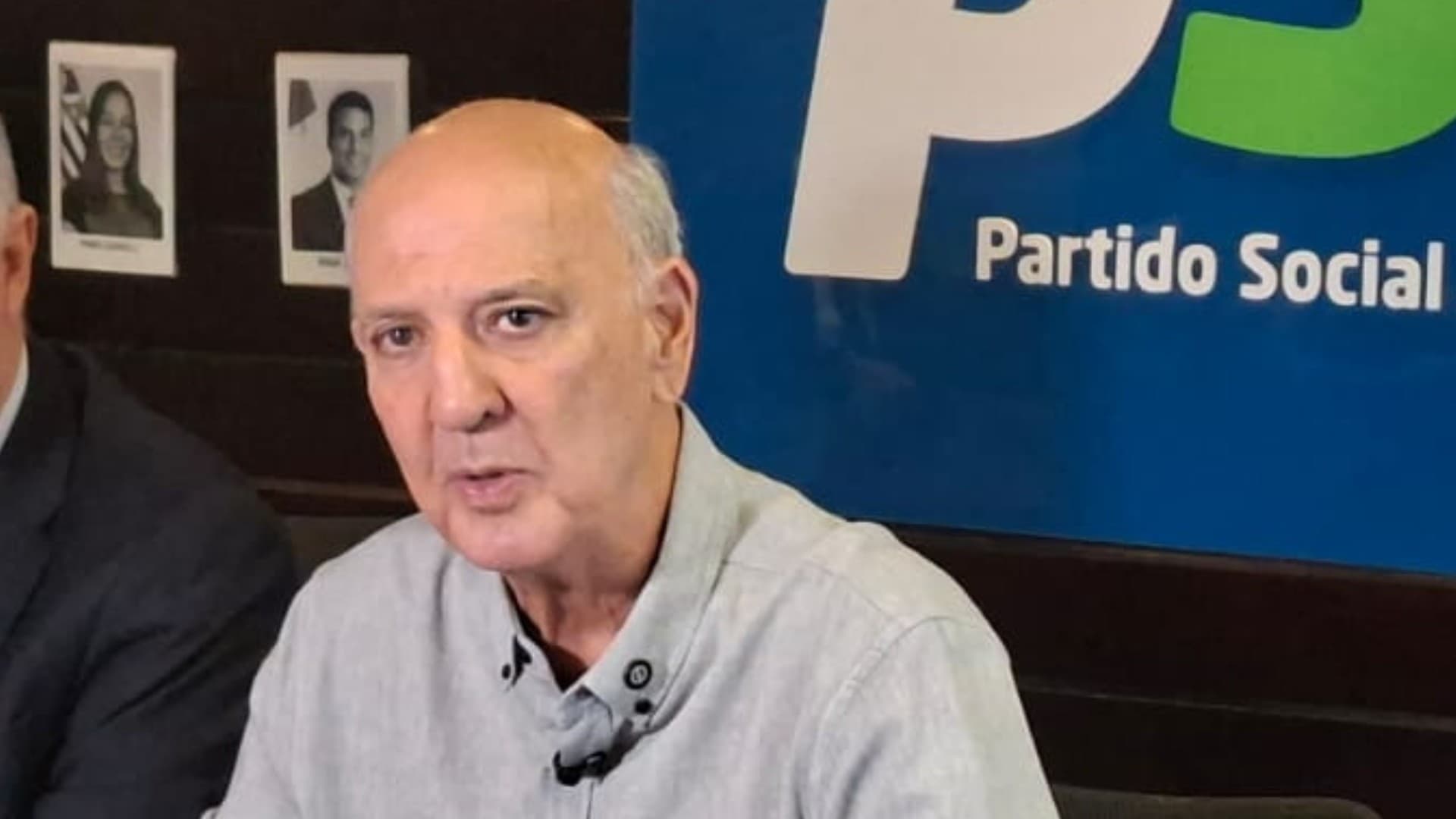
The Regional Electoral Court of the Federal District (TRE-DF) on Thursday unanimously rejected the registration of the candidacy of former governor José Roberto Arruda (PSD) to the government of the DF. The decision has taken on appeals that pointed to ineligibility due to convictions in Operation Pandora. However, Arruda can appeal to the Superior Electoral Court (TSE) and, in the meantime, remains authorized to campaign normally.
At the same time – and even before the announcement of the result – Arruda indicated that he would resort to the TSE, which is responsible for the final decision on applications. The electoral law ensures that the candidate remains in the contest until the resources are exhausted, without any immediate effect on his campaign.
Understand the decision of TRE-DF
The Regional Electoral Court accepted, by unanimous vote, the arguments of two appeals — one from the Electoral Public Prosecutor’s Office, and one presented by a former regional administrator and current candidate for district deputy. Both claimed, based on different calculations and arguments, that Arruda is ineligible because of the convictions imposed by the Justice related to the operation Pandora's Box.
The plenary followed the position of the rapporteur of the proceedings, the electoral delegator Guilherme Pupe. In a long vote, the magistrate stated, among other points, that the convictions frame Arruda in the Law of Ficha Limpa, preventing his candidacy. The decision was unanimous, with no differences between the debargoers.
In the same vote that generated unanimity in the TRE, the deferrer Guilherme Pupe made it clear that Arruda continues to be allowed to campaign until the end of the appeals phase. This provision is contained in the Elections Act. The former governor can even participate in electoral debates and free election propaganda on radio and TV. In practice, there is no immediate effect on the application.
Arruda continues in dispute
Speaking to the G1, Arruda said that he would continue with the campaign and the candidacy. He said he is confident in the reversal of the decision in the TSE and stressed that he will continue to travel the DF in search of votes. The former governor’s campaign maintains a normal agenda, with participation in events and sapatinas.
For the voter, nothing changes in the short term: Arruda’s name remains in the electronic ballot boxes and in the polls of intention to vote. The electoral propaganda on radio and TV also continues to broadcast the candidate, as determined by the legislation. The final definition, however, can occur only after the appeal is judged in the TSE.
Next steps on the TSE
In the coming days, the TRE of the Federal District is expected to publish the ruling of the decision — the written version of the decision taken by the decree-makers. From there, Arruda can appeal to the Superior Electoral Court (TSE) to try to reverse the decision and revalidate the registration of the candidacy.
In the TSE, the procedure is similar to that adopted by the TRE. One of the ministers will be appointed as rapporteur and, as a practice, must request new positions from the Electoral Public Prosecutor’s Office. The rapporteur will examine the case and bring it to trial in the plenary of the court, composed of seven ministers.
When the case goes to trial, the TSE can reaffirm the previous decision or overturn it. If you disagree with the TRE, the TSE may revalidate the Arruda plate registration. The decision of the TSE is final, ending the discussion in the Justiça Eleitoral.
The STF is limited
An appeal to Supremo Tribunal Federal (STF) can only be filed on the basis of alleged offense to Constituição Federal — and not on the basis of electoral legislation, for example. This means that, after the TSE, any questioning of the STF would be restricted in scope, focusing only on constitutional violations.
The parties to the proceedings may submit so-called "embargos", which are appeals that ask for clarification or question specific points of the judgment and, in general, do not alter the merits (content) of the decision. These embargoes do not suspend the effects of the decision, they only seek to remedy omissions or contradictions in the text.
What to expect now
While the appeal is not judged, Arruda continues with full campaign rights. The situation generates legal uncertainty, but does not prevent the candidate from participating in the elections. Experts heard by the report point out that similar cases have already reached the TSE with varying outcomes, depending on the analysis of the convictions.
For the DF voter, the recommendation is to follow up with the case updates, as the final definition can occur at any time before the election. The Boca no Trombone portal will continue to monitor the unfoldings and will bring new information as it becomes available.
Read Also
Electoral Court analyzes possible ineligibility of Marcelo Rangel
“I am ficha limpa”: Marcelo Rangel says the candidacy is ‘100% assured’
Government criticizes EU veto on Brazilian meat
Font
g1.globo.com
Comments
No comments yetLoading comments…