PDT Action Could Change Seat Calculation in the Chamber
The PDT filed an action with the STF questioning the calculation of electoral surpluses, which could change the distribution of seats in the Chamber. The party argues for privilege to larger parties and underrepresentation of minorities. Minister Gilmar Mendes is the relator.

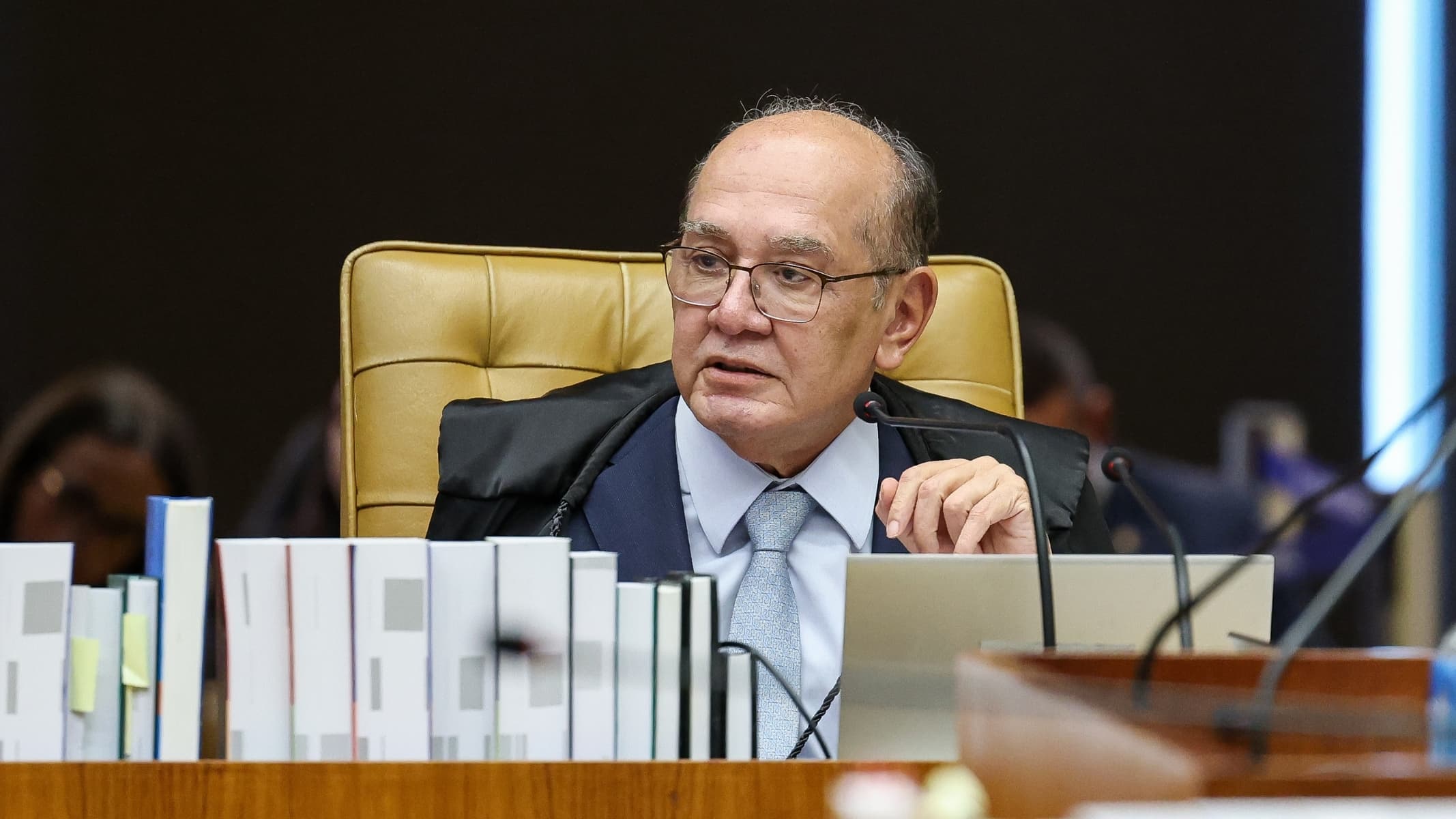
Minister Gilmar Mendes of the Supremo Tribunal Federal (STF) on Wednesday received an action by the PDT that could change the way seats are calculated in the Chamber of Deputies. The party questions the method of distribution of the so-called electoral leftovers, which, according to the legend, favors larger parties and leaves out political currents with less votes.
The action comes at a time of reconfiguration of the national political scene, with the PL having won the largest bench of the Chamber and the PT being in second place. The PDT, in turn, did not reach the barrier clause, losing access to the party fund and free party propaganda.
Understand how proportional elections work
To begin to understand the object of the action, we need to remember that federal, state and council members are not elected like the other positions. In the so-called majority votes, such as those of President, Senator and Governor, the one with the most votes wins.
Already in the proportional elections, the system is different: the seats are distributed according to the total votes of each party or federation, through calculations involving electoral and party quotients. It is at this point that the PDT identifies a distortion.
The question of electoral leftovers
Until then, that's fine with PDT. The problem of the party is with what the Justiça Eleitoral does when this method does not account for filling all the available seats. In these cases, the electoral leftovers come into play, which are distributed by means of a new calculation.
For the PDT, the problem lies in considering the total vote of the party. The acronym argues that the larger parties are privileged, since the total vote remains in the calculation. Thus, it continues, sectors not yet represented in the vote would not be able to occupy space in the Legislative.
Hypothetical example illustrates the distortion
There is an example in the initial petition, with a hypothetical scenario of distribution of five seats and 100,000 votes. In this example, a party with 14,000 votes would be left without a seat, even if it had an expressive number of votes.
There's only one left to fill. Then, I would begin to calculate the leftovers. The legend states that, in this process, the parties with the highest total vote take advantage, because the calculation considers the overall performance of the acronym, and not only the surplus votes of each candidate.
Impact on political representativeness
"The possible under-representation of certain political currents, accompanied by the disproportionate concentration of seats in other associations, has a direct impact on the formation of parliamentary majorities," the petition says.
The PDT maintains that the current model hinders the entry of new political forces into the Legislative, reducing the plurality of ideas and the capacity to represent minorities. The action asks the STF to determine a new criterion for the calculation of the leftovers, which does not consider only the total vote of the party.
Recent election scenario strengthens debate
The action comes at a difficult time for the left in the proportional elections. The PL obtained a historic vote and the largest bench of the House, with 121 federal deputies. The party also won the largest bench in the Legislative Assembly of São Paulo (Alesp).
The PT, in turn, elected 70 federal deputies and will have the second largest bench. The PDT, which has not reached the barrier clause, seeks a way to reverse the loss of space and ensure greater participation in the political scenario.
What can change with the decision
If the STF accepts the request of the PDT, the calculation of the electoral leftovers may be changed for the next elections, with a direct impact on the composition of the Chamber of Deputies, legislative assemblies and municipal councils. The decision may also influence the distribution of party fund resources and the timing of electoral propaganda.
Minister Gilmar Mendes is the rapporteur for the action. There's no trial date yet. The case should generate wide debate among ministers and among political parties, who closely follow the outcome.
For the reader of Ponta Grossa and Campos Gerais, the decision may have a bearing on municipal and state elections, as the same system is used for councilors and state deputies. Follow up on upcoming updates to the Boca no Trombone.
Read Also
Lula and Flávio Bolsonaro: what decides hard election
Datafolha: Lula and Flávio Bolsonaro tie with 50% in the second round
Elections 2026: deadline for rallies and electoral propaganda ends on Thursday (22)
Font
www.gazetadopovo.com