Anvisa orders seizure of counterfeit medication used in breast cancer treatment
Anvisa orders seizure of counterfeit medication for breast cancer and three lots of botulinum toxin. Check the lots and guidelines.

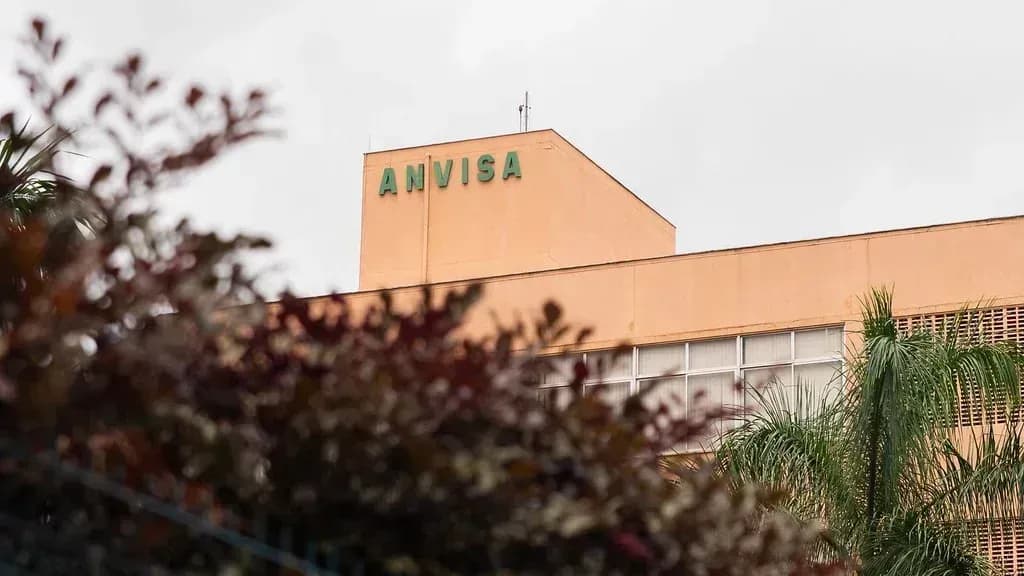
The National Agency of Vigilância Sanitária (Anvisa) on Monday ordered the seizure of a counterfeit batch of the drug Phesgo, used in the treatment of breast cancer. The decision was taken after the manufacturer identified product units with characteristics different from those presented by the original product.
The determination also includes the seizure of three counterfeit batches of the drug Dysport, used in therapeutic and aesthetic procedures based on botulinum toxin. The measures are part of a series of actions by Anvisa to prevent the circulation of irregular products in the Brazilian market.
Which batch of the breast cancer drug was faked?
According to Anvisa, the company Roche Chemicals and Pharmaceuticals, manufacturer of Phesgo, has communicated the identification of suspicious units in the market.
The determination of seizure exclusively affects packaging identified with lot B5011B05, whose date of manufacture is June 2025.
The agency has established that counterfeit products may not be stored, marketed, imported, exported or used.
Patients undergoing breast cancer treatment and health care professionals should carefully check the batch number before administering the drug.
The measure is directed at the lot identified as counterfeit and does not represent the general suspension of the use of Phesgo.
Anvisa also seizes counterfeit botulinum toxin
In addition to the medicine used in the treatment of breast cancer, Anvisa ordered the withdrawal from circulation of three counterfeit batches of Dysport, a product based on botulinum toxin type A.
The company Beaufour Ipsen Pharmaceuticals, responsible for the registration of the medicine, reported that it does not recognize the following lots:
P08191: valid until April 2029;
P08192: valid until May 2029;
P22368: valid until February 2029.
The determination prohibits the marketing, distribution and use of the products identified by these numbers.
Consumers, clinics and health facilities should check the available lots and notify the vigilância sanitária organs of any suspected forgery.
Manipulated medicines are also banned.
Other measures announced by Anvisa include the suspension of irregular advertisements of manipulated medicines advertised on the internet.
Among the establishments affected is the company Queen Pharma Aesthetic, which advertised products with indications for slimming, localized fat reduction, hair treatments, melasma and other procedimentos estéticos.
The agency also ordered the suspension of advertising of manipulated medicines marketed by Malheiro Pharmacy on its website.
According to Anvisa, the dissemination and marketing of these products must comply with the requirements laid down in health legislation.
Another decision announced on Monday was the ban on the disclosure and sale of cannabis-based products marketed by an unidentified company, because they do not have a registration or sanitary authorization for sale in Brazil.
What should I do if I find a suspicious drug?
The guidance is that patients and health professionals verify the identification of the batches before using the drugs cited in the determination of Anvisa.
In case of suspected counterfeiting, the product should not be used, and the situation should be reported to vigilância sanitária.
Patients on breast cancer treatment who identify batch B5011B05 packages should seek the medical team responsible before any application. Interrupt or change of treatment should not be done without professional guidance.
Anvisa also recommends that consumers check the regularity of medications and other products subject to vigilância sanitária before purchasing.