Benito di Paula dies at 84 in São Paulo after battling cancer
Benito di Paula dies at 84 in São Paulo after battling prostate cancer. Revisit his hits and learn about the details of his farewell.

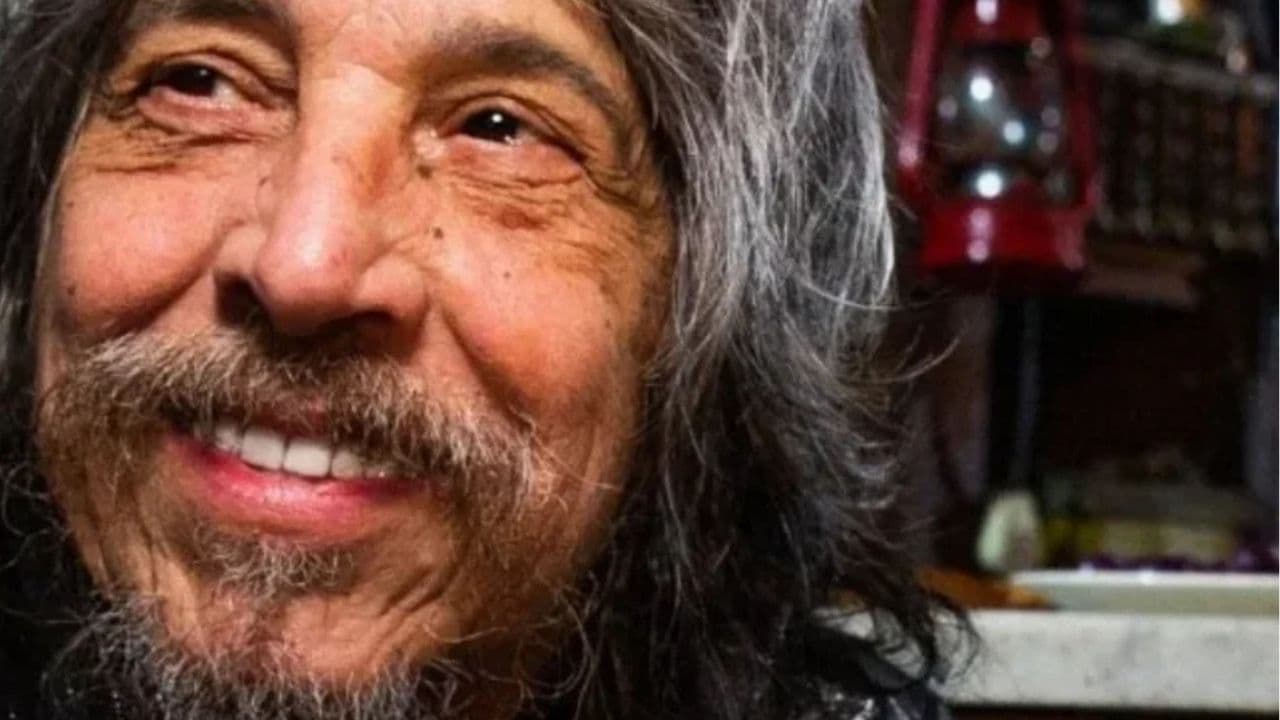
Benito di Paula dies at the age of 84 in São Paulo and leaves a legacy of hits that have marked Brazilian popular music. The singer, composer and pianist died on Sunday night, July 18, at the Hospital 9 de Julho, due to complications of a prostate cancer, a disease he had been facing for about a year.
The artist, known for uniting samba to romanticism and for turning the piano into one of the main elements of his presentations, would turn 85 on November 28. His death represents the farewell of one of the most popular names in Brazilian music in the 1970s and 1980s.
The singer's wake and farewell
The funeral of Benito di Paula is scheduled for this Tuesday (20), from 9 am to 3 pm, at the Municipal Theatre of São Paulo. The ceremony will be open to the public, allowing fans, friends and admirers to pay their last respects.
The burial is scheduled for 5 pm, in Morumby Cemetery, also in the capital of São Paulo, in a ceremony reserved for relatives.
Who was Benito di Paula?
Born on November 28, 1941, in Nova Friburgo, in Rio de Janeiro, Benito di Paula was born Uday Veloso. At a young age, he began his musical career singing and playing in nightclubs, nightclubs and dances.
Before achieving national recognition, he passed through different cities, including Santos, on the São Paulo coast, where he developed his artistic identity and formed his first musical group.
Without traditional academic training in music, the artist developed a particular way of playing the piano, incorporating rhythmic elements of samba and creating a sonority that would become his trademark.
Successes that have marked generations
Benito di Paula's career gained national prominence in the 1970s. One of the decisive moments occurred in 1973, with the release of “Retalhos de Satim”, a song that became one of the greatest successes of his repertoire.
In the following years, the singer won over audiences with songs such as “Charlie Brown”, “Do Moito Que a Vida Quer”, “Whip and Suck Cana” and “Tudo Está em Seu Lugar”.
His repertoire combined romantic lyrics, stories of everyday life and popular rhythms, reaching different audiences and consolidating his place in Brazilian music.
The style was also known for its remarkable presence in television programs. With long hair, accessories and characteristic clothes, Benito built an image easily recognized by fans.
Tribute at the Carnival of São Paulo
In 2025, Benito di Paula received a special homage from the Golden Eagle samba school, during the São Paulo Carnival.
The assemblage brought to the avenue a plot inspired by the musician’s trajectory, highlighting his compositions and his contribution to Brazilian culture.
The artist participated in the parade at the Sambódromo do Anhembi alongside his son, Rodrigo Vellozo, also a musician. The presentation represented a public recognition of its importance to samba.
Benito di Paula's legacy in Brazilian music
Even after the period of greatest commercial success, Benito di Paula remained connected to music and participated in projects that presented his compositions to new generations.
Among the most recent works is “Benito 80: Novo Samba Sempre Novo”, a project that brought together different performers to revisit songs of his career.
Over more than five decades of acting, the singer helped to bring samba closer to popular romantic music, influencing artists and winning admirers in different regions of Brazil.
The death of Benito di Paula closes a remarkable trajectory, but his compositions remain an important part of the history of national music.
Identified pedestrian that morreu atropelado on PR-151, in Castro