Who voted for Flávio and Lula in the first round? by Gleidson Carlos
Second round highlights Flávio Bolsonaro's progress, Lula's loss of space in class C and the struggle for millions of undecided voters.

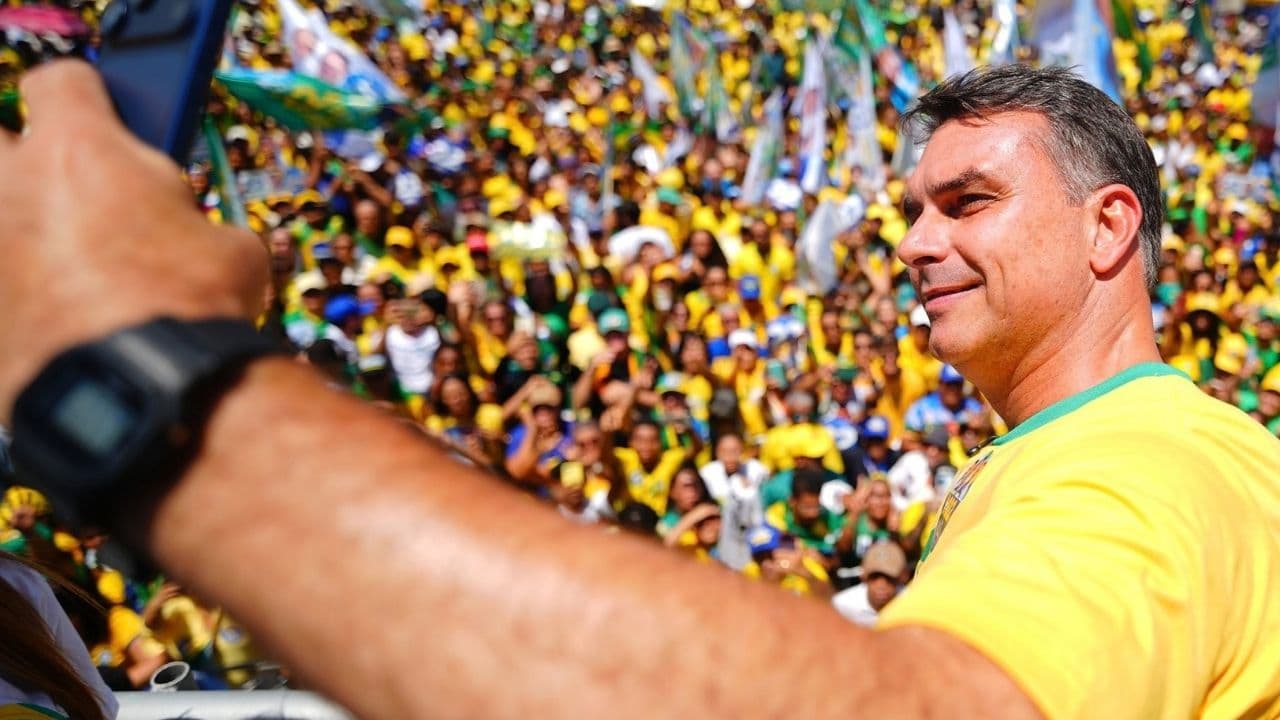
The advantage of Flávio Bolsonaro is a point that needs to be considered in this election. Not only because of the distance in votes, which exceeds two million, but also because the pocketarism achieved an important victory in the renewal of the Congresso Nacional. This reinforces the perception of a kind of right-wing avalanche in this second round. But can this result be explained exclusively by bolsonarism? I don't think so. There is a broader movement going on, which may represent a change in the relationship of the voter with the political system and, mainly, a difficulty of the lulismo in maintaining the connection it had with certain segments of the electorate in 2022.
And here's a fact that catches your eye. The largest displacement of votes from Lula to Flavio appears precisely among voters of the class C and in the peripheral regions. And this voter cannot automatically be classified as anti-Lulista or bolsonarista. If it were simply an ideological question, it would be difficult to explain some of the other results. Lula practically ties with Flávio among class A voters and sells among class E voters. So there is an important contradiction in this result. The poorest voters continue to show signs of closeness to Lula, while an important portion of the C-class, especially in the peripheries, seems to be moving away.
What does that mean? In my reading, it means that there is a potentially contestable electorate. Not necessarily a voter who has become right-wing, but a voter who is not finding in Lula’s campaign an answer to what he expects from a fourth term. It's an important difference. Because, if this diagnosis is correct, the problem of government is not only to face pocketarism. It is to regain the ability to talk with a voter who has already been with Lula, but who is now looking for another alternative.
And there is also a huge portion of the electorate that can define this election. There were 33.4 million voters who did not go to the polls and approximately 9 million who voted in candidates that were neither Lula nor Flavio. This alternative electorate, less ideological and more independent, will not necessarily behave in bloc. One part will migrate to Flavio, another to Lula and another can simply stay away from the dispute.
Therefore, I see the second round less as a simple dispute between Lullism and Bolshonarism and more as a dispute over the ability of each candidacy to expand its base. Flavio starts from a concrete advantage and has the strength of a mobilized right. Lula, on the other hand, still has an important electoral reserve among the voters who have already been with him and among those who do not identify with bolsonarismo. The big question is who will be able to turn this potential voter into an effective vote. And right now, maybe that’s where the election is.
See this post on Instagram
A post shared by 📢 Boca no Trombone Ponta Grossa (@boca.trombone.pontagrossa)